
If you're planning to spend a bit more time in Łódź, it's worth brushing up on some "Łódź-speak". Yes, knowing Polish in Łódź is not quite enough. You still need to learn important words from the local dialect. After all, how would you know that an angielka has nothing to do with British heritage?
1. Krańcówka
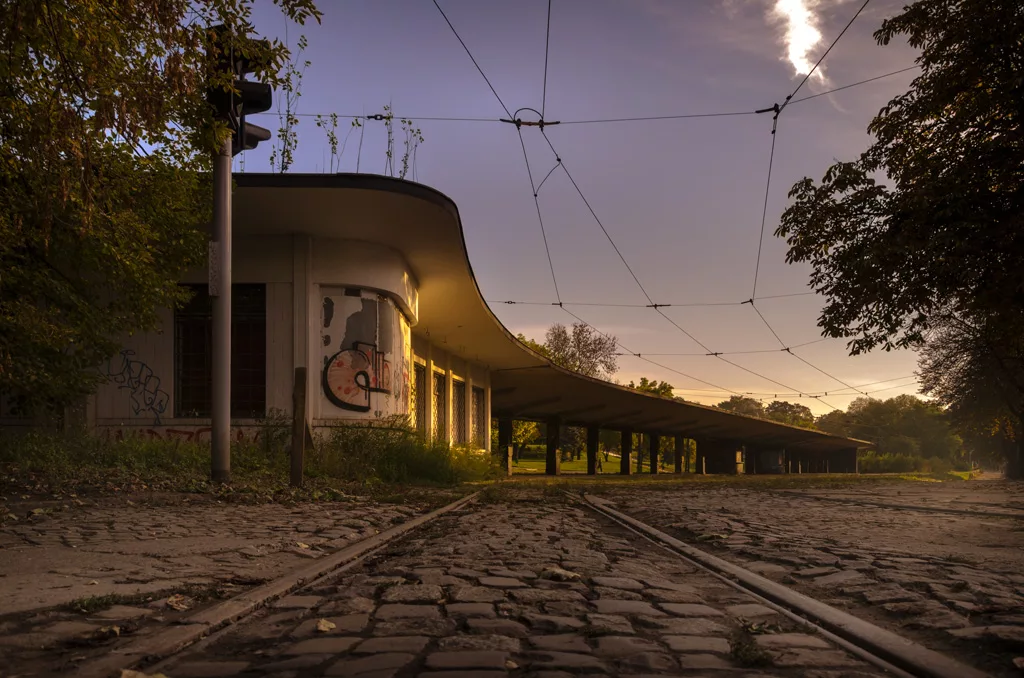
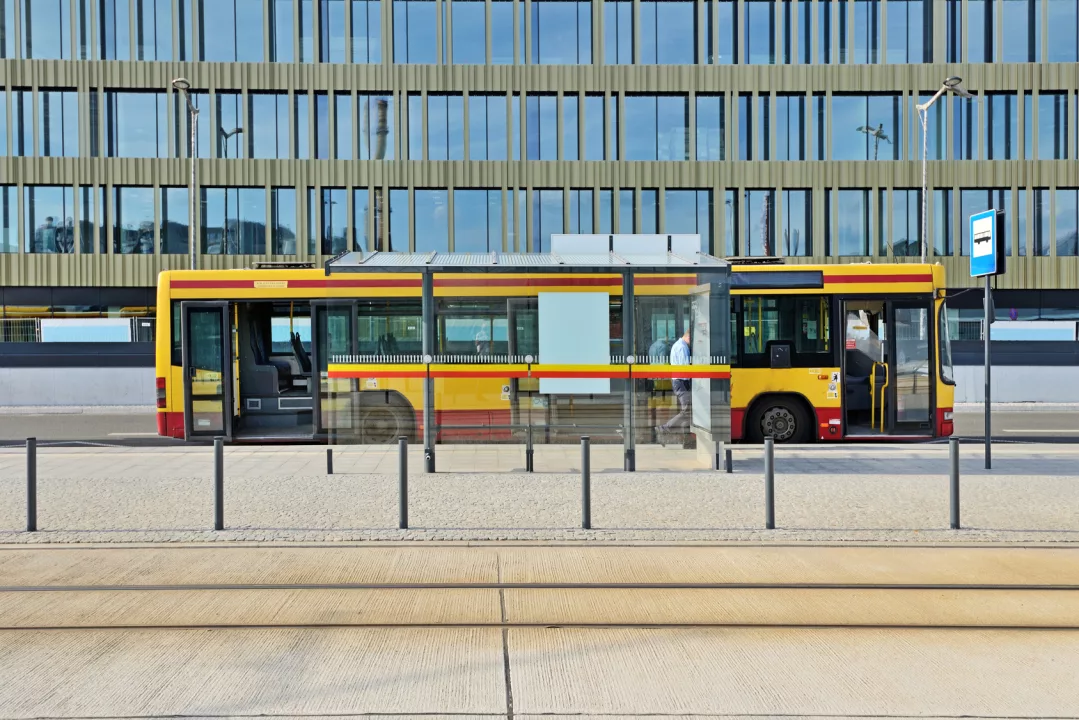
The list of łodzianisms, without which it would be difficult to communicate with residents, is worth starting with krańcówka. This word means a tram/bus loop in Łódź dialect and comes from the period before World War II. Krańcówka became so deeply rooted in the local language that if you ask about a loop, locals are more likely to think of a tied string than a final stop.
2. Migawka
Similarly with migawka. No Łódź resident would think that someone asking for a migawka might mean a camera shutter. Here, migawka means a period ticket or a public transport card. So remember to ask for a migawka, not a okresówka.
3. Ekspres
It can be for coffee or from Warsaw to Szczecin, but in Łódź ekspres is simply the name for a zipper/fastener. Many city residents aren't even aware that this is an example of regionalism, because other names for this part of clothing simply don't function here.
4. Galancie
If someone in Łódź wants to praise someone's work or behavior, they say they did it galancie. Galancie means great, excellent, nice, but also a lot. The word comes from the German galant, which means charming and polite.
5. Siajowo
The word siajowo has the opposite meaning to galancie. Łódź residents use it when they want to describe something tacky, bad, or to criticize a situation or someone's behavior. Something siajowe can be cursing on the street or littering, but also a stupid joke. The origin of the word is interesting, as it comes from the name Szai Rosenblatt – one of clothing manufacturers who became famous in Łódź as a creator of cheap cotton fabrics.
6. Wtranżalać
When you come home very hungry and at lightning speed empty your plate, you're wtranżalając. Wtranżalanie means nothing other than greedy eating. Interestingly, this word can also be heard in other parts of the country, but it certainly has Łódź origins.
7. Angielka
A true national fusion in one word. Angielka in Łódź means a French roll. Something bigger than a baguette, and at the same time smaller than a loaf of bread. Angielka is also sometimes called a baton or a bułka-parówka.
8. Tytka
This word, found nowhere else in Poland, means a paper bag or a spiral-rolled piece of paper. Tytka can also be plastic, made from various types of foil or cardboard.
9. Aplikować się
Although it might seem that aplikować się has to do with applying for a job, in Łódź the expression has a completely different meaning. Namely, it's the way people talk about a young man who is courting a girl.
10. Sładnie
When something came easily to us, we say sładnie. The word also means nicely, well. However, it should not be confused with the word składnie used throughout Poland.
11. Żulik
No, it's not a diminutive term for a gentleman who regularly spends nights on benches in the park. Żulik is a sweet Turkish bread with raisins in Łódź dialect. It's worth tasting this whole-wheat bread during your stay in Łódź.
12. Gołda
Associations with bench residents are also worth expanding with gołda. Gołda, not gouda, means vodka here.
Łódź dialect is a piece of cake. A piece, because residents call a slice of bread with butter a sznytka. This is another word worth adding to the dictionary of terms useful in Łódź. However, if someone felt sick, it's worth remembering also the phrase: jechać do Rygi (to go to Riga). This is the euphemistic way Łódź residents refer to vomiting.
Tytka jest słowem powszechnie używanym w gwarze poznańskiej, więc trochę nakłamaliście ;)
You need to log in to add a comment.
Log in