
Łódź to miasto z bogatą historią przemysłową. Uwarunkowania naturalne sprawiły, że w XIX wieku miasto zostało włączone do osad przemysłowych. Zadecydowała o tym duża ilość małych rzek oraz lasów. W przeszłości Łódź była miastem manufaktur, zatrudniających ogromne ilośći robotników. Podróż szlakiem architektury przemysłowej to zaproszenie do odkrywania bogatej historii miasta. Oto 10 najważniejszych obiektów architektonicznych, których nie można przeoczyć w trakcie zwiedzania:
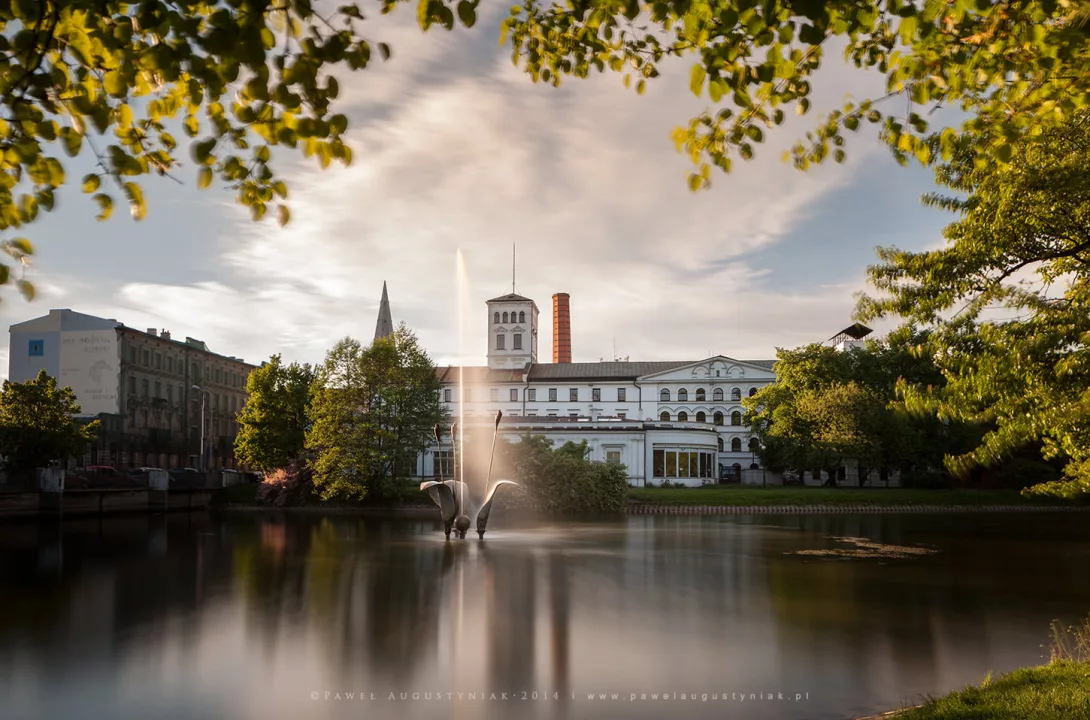
1. Biała Fabryka – Fabryka Ludwika Geyera – ul. Piotrkowska 282/284
(currently Central Museum of Textiles)
This is a very significant place on the map of Łódź. It was the first textile mill in Łódź with spinning and cotton weaving workshops, the most modern for its time. The building is maintained in a classical style. The term "white" in the object's name comes from the color that the bricks were painted. Geyer's factory was equipped with as many as 180 weaving workshops. Next to the building there is a special room designated for Poland's first steam engine. It was precisely this monument that also had Poland's first industrial chimney. In 1960, the structure was transformed into the Museum of Textiles, which is distinguished by unique collections on a European scale. Since 2015, the factory has been recognized as a historical monument.
2. Bleachery of Kopisch at Tymienieckiego Street 5
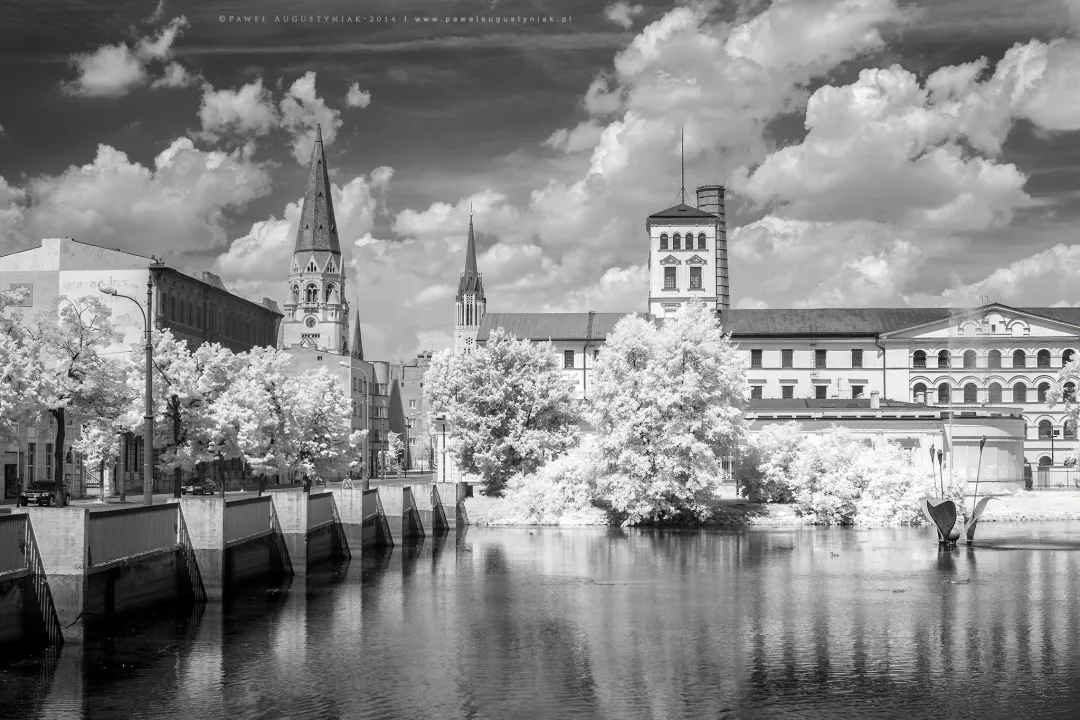
Its construction took place in 1828-1829. It is the oldest industrial building in Łódź. The building was both a residence for Tytus Kopisch and a bleachery, where raw fabrics were refined and finished. Additionally, they were dried, starched and calendered. The entire process ran smoothly thanks to excellent access to water resources, which were supplied by the Jasień river that once flowed here. Before the war, it was the headquarters of a health insurance fund and a pediatric office. Later, the bleachery was inhabited by workers from the Unonyex facilities. The building then underwent conservation work and for some time was also the headquarters of a bank. Eventually it was sold to one of the Warsaw companies.
3. Grohman's Barrels in Łódź – gate at Targowa Street 46
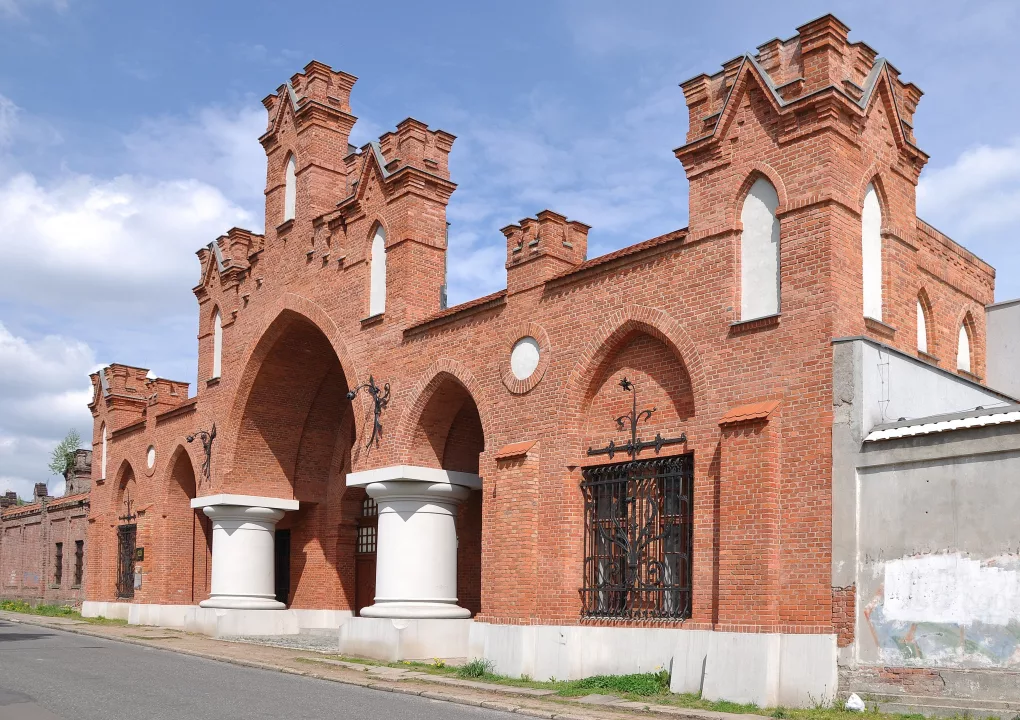
This is a monument remembering true Industrial Łódź. Henryk Grohman was one of the greatest Łódź industrialists of the 19th century. He took over his father's company and expanded the facility with a textile complex. "Grohman's Barrels" is a gate leading to the factory. It was created in 1986. Its characteristic appearance is due to its building material – red, unplastered brick. The "Barrels" refer to the characteristic arch maintained in the neo-gothic style. Above the characteristic arcade is a sculpture in the Art Nouveau style. Currently, the object is part of the Łódź Special Economic Zone.
4. Palace of August Haertig – Piotrkowska Street 236 in Łódź
This is one of the most characteristic monuments of 19th-century Łódź architecture. The building was erected in 1895-1896 and contained representative apartments. After the war, it housed the headquarters of the Łódź Red Cross. After thorough renovation, in 2005 the monument was distinguished by the Piotrkowska Street Foundation as "Best Interior of 2005".
5. Palace of Julius Heinzl – Piotrkowska Street 104
(currently the seat of the Łódź City Office)
Its construction was completed in 1882. The building was erected in an eclectic style. Above the cornice you can see a characteristic sculpture, an allegory of industry and commerce. The palace belonged to Julius Heinzl – a Łódź industrialist who amassed enormous wealth, but also received the title of baron. Currently, the Provincial Office and the Łódź City Office are located in the building. Since 1998, the city's hejnał (signal) has been played daily from the palace's balcony. In front of the building is the famous Tuwim's bench, which is one of the tourist attractions.
6. Palace of Israel Poznański – Ogrodowa Street 15
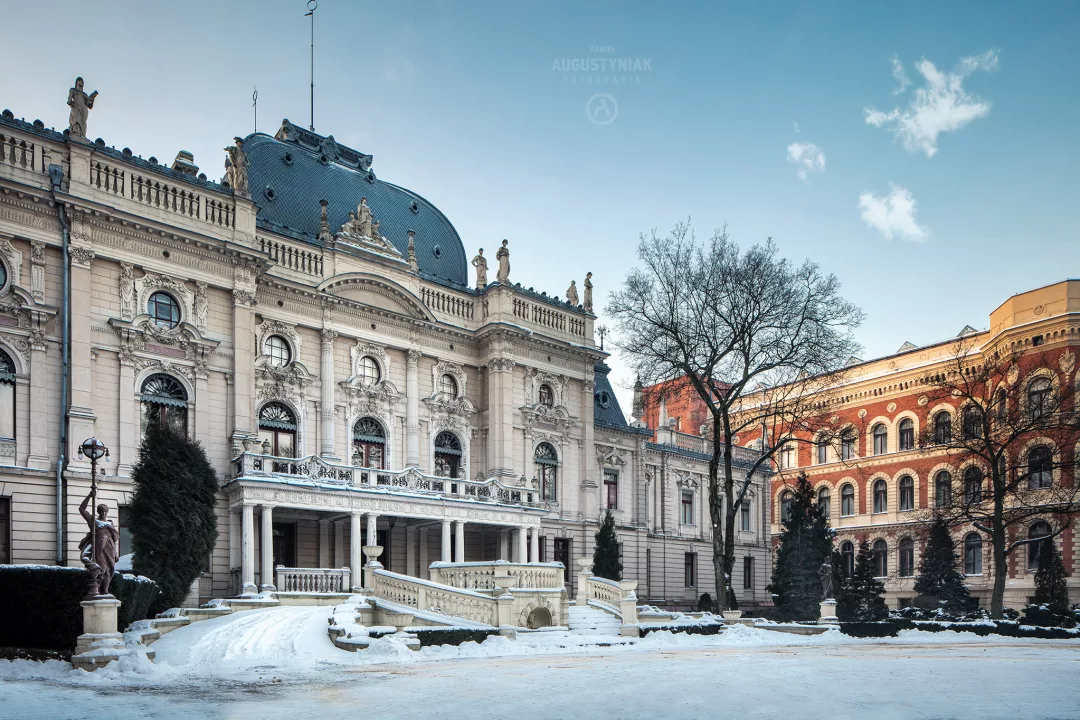
This is currently one of the most recognizable buildings in Łódź, also called the "Łódź Louvre". Its owner was one of the most powerful Łódź industrialists of Jewish descent – Israel Poznański, called the "King of Cotton". Next to the palace were industrial facilities and workers' quarters. Poznański's factory contributed most significantly to the development of industry in our country. The palace's facade is maintained in neo-baroque style, which is the result of renovation carried out in the 20th century. Currently, these historic interiors house the Museum of the City of Łódź.
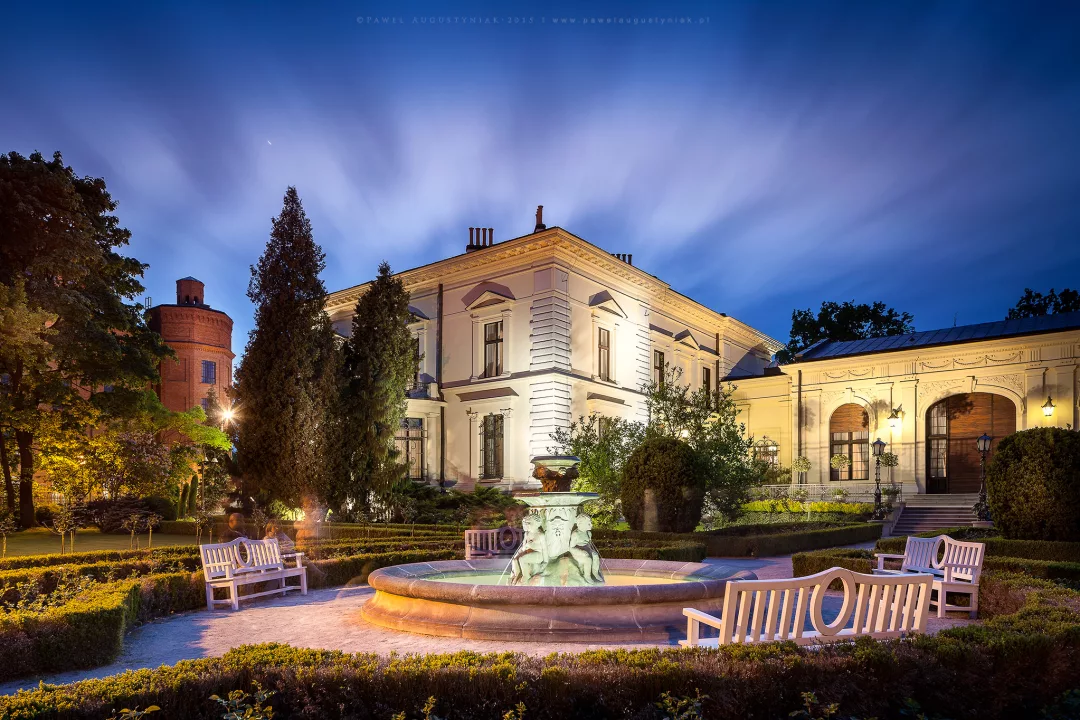
7. Palace of Robert Schweikert – Piotrkowska Street 262/264
Schweikert's Palace is a small building erected in neo-baroque style. Part of it is a characteristic courtyard, where economic facilities are concentrated, which once served as stables, coach houses and a porter's lodge. Behind the palace is an Italian garden. During World War II, a German bank had its headquarters here. In the nineties, the building was handed over to the University of Łódź, where the European Institute is now located. The upper floors were developed by the Kamikaze Marketing Agency.
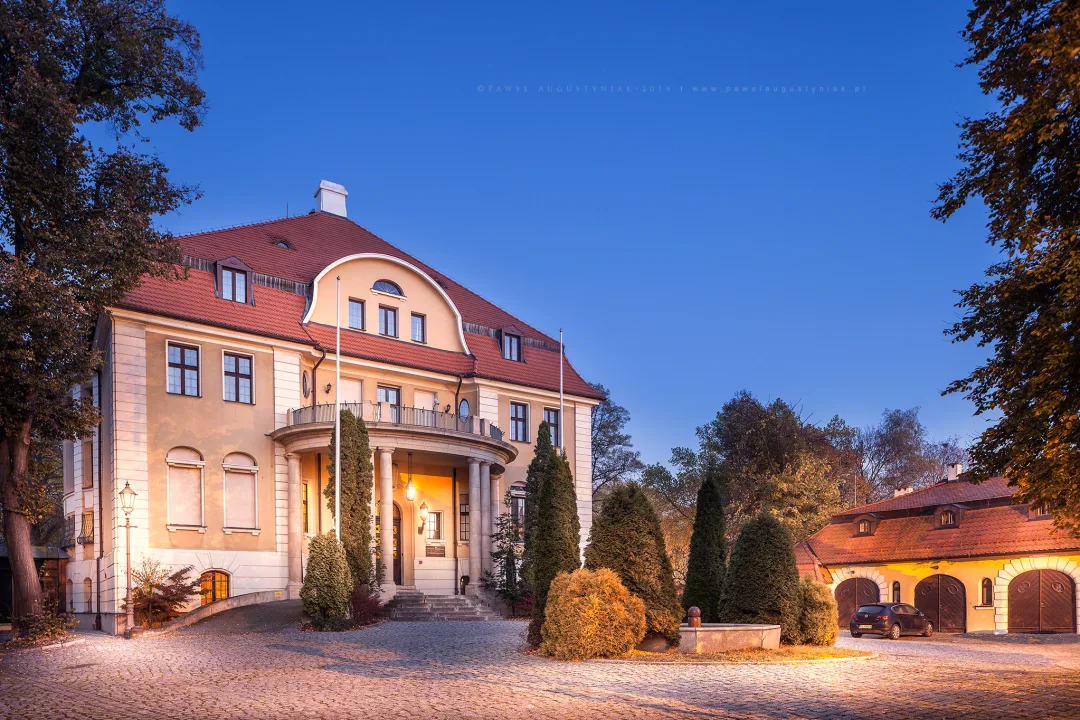
8. Building of the Brewery of Karol Gottlob Anstadt – Pomorska Street 34
The building was erected by the first city architect – Jan Bojanowski. Its owner was Carol Gottlob Anstadt – a German entrepreneur who opened the first and largest brewery in "industrial" Łódź. The building is characterized by a wealth of architectural ornaments such as cornices and window bands. Currently, the headquarters of Breweries Łódź S.A. is located here.
9. Villa of Edward Herbst – Przędzalniana Street 72
This historic villa was erected in 1875-1877. It served as the residence of Karol Scheibler's daughter – Matilda – and her husband, Edward Herbst – a Polish industrialist who, after his father-in-law's death, became heir to his estate. The building was located near the so-called Księży Młyn (Priests' Mill), which was at that time a settlement for workers. The villa represents neo-renaissance. The Herbst family owned the building until 1941, then serving various functions, and was finally adapted in 1976 as the Museum of Art in Łódź.
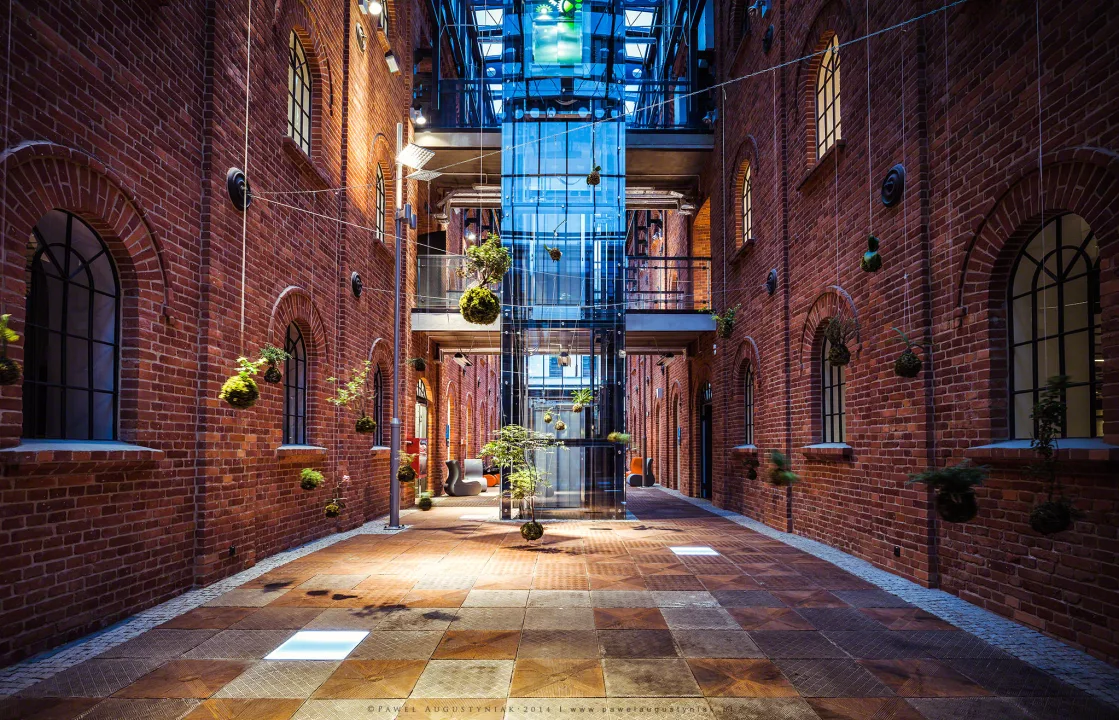
10. Scheibler's Warehouses at Tymienieckiego Street 3
The construction of the warehouses was initiated in 1987 for the purpose of storing textile products. Currently, it is the headquarters of Art Incubator – an important place for the development of contemporary Łódź. It is a space dedicated to young creators and entrepreneurs. A place that is full of initiatives and workshops. Scheibler's former warehouses are an ideal example of architecture in which the spirit of industrial Łódź still lives, adapted in contemporary interiors.

Be the first! Add a comment.
You need to log in to add a comment.
Log in