
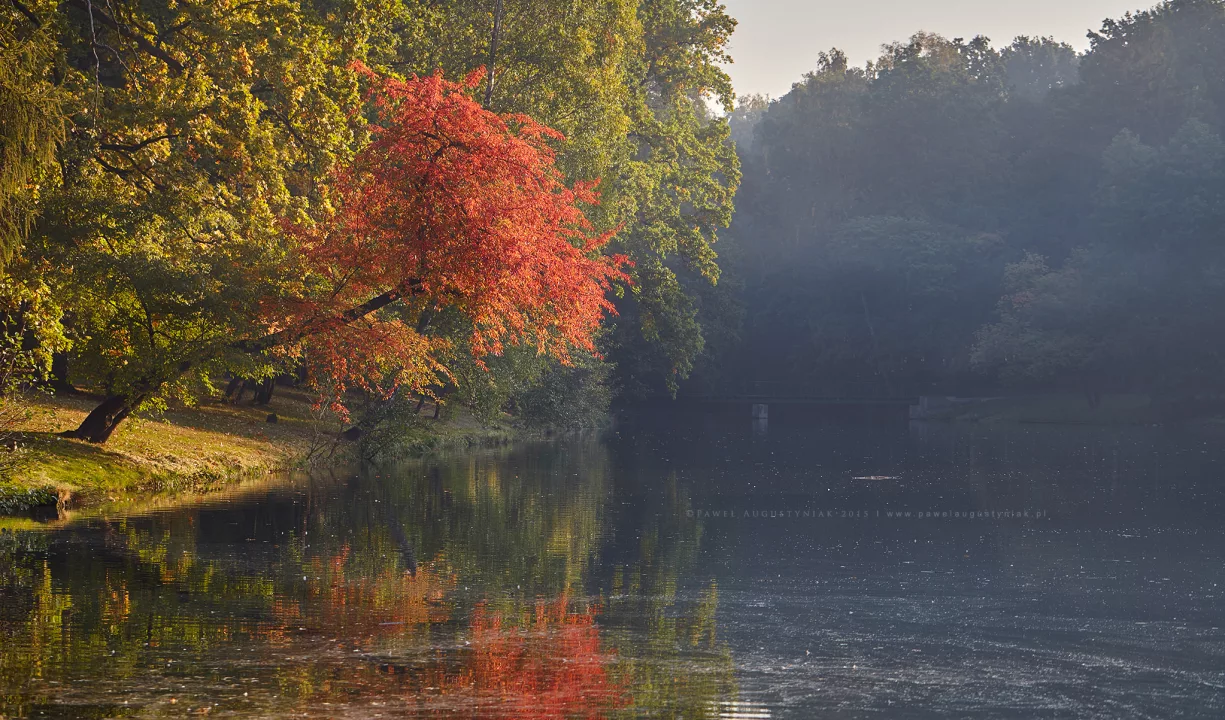
Park Julianowski
Also known as the park named after Adam Mickiewicz, with an area of nearly 50 hectares, located within ul. Zgierskiej, Sowińskiego, Jaworowej, Folwarcznej, al. Róż, Karłowicza. It stretches along the valley of the Sokoławka River. In 1890, the park was purchased by industrialist Juliusz Heinzel, who built a Renaissance-style palace there with a beautiful view of the sprawling ponds. Heinzel also took care to create a menagerie and orchard, and carried out a general reconstruction of the park – stairs, fountains, cascades, little bridges, and even exotic trees appeared. Currently, however, the park looks completely different – the palace is missing (demolished by the occupiers), but a parachute tower and model racing track have been installed, as well as a concert shell built.
Park Klepacza
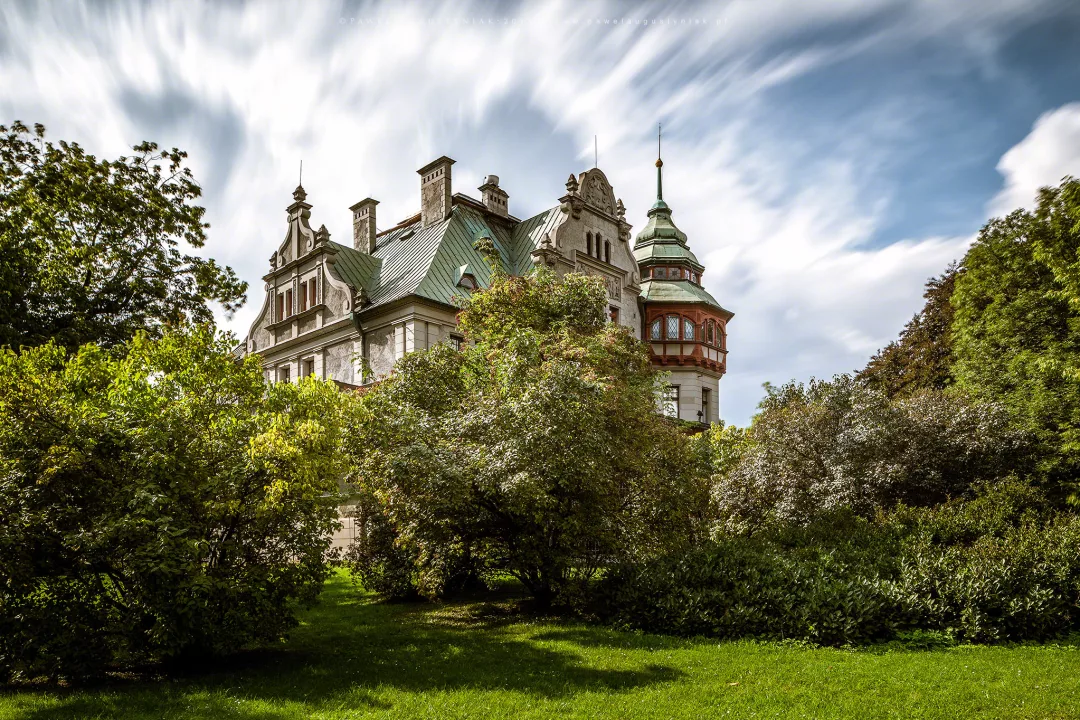
Located within Al. Politechniki, and the streets Skorupki and Wólczańskiej. It's a fairly small park (just over 3 hectares), situated close to the pavilion of the International Trade Fair of Łódź and the Sukcesja shopping center. The park has a rather flat surface, and there are two historic villas within it (those of Reinhold Richter and Józef Richter). In the park you can find several specimens of unusual plants – including sawara cypress (nootka and Lawson) and Siberian squill, which occurs in such large quantities only in Klepacza park (among all city parks in Poland).
Park Poniatowskiego
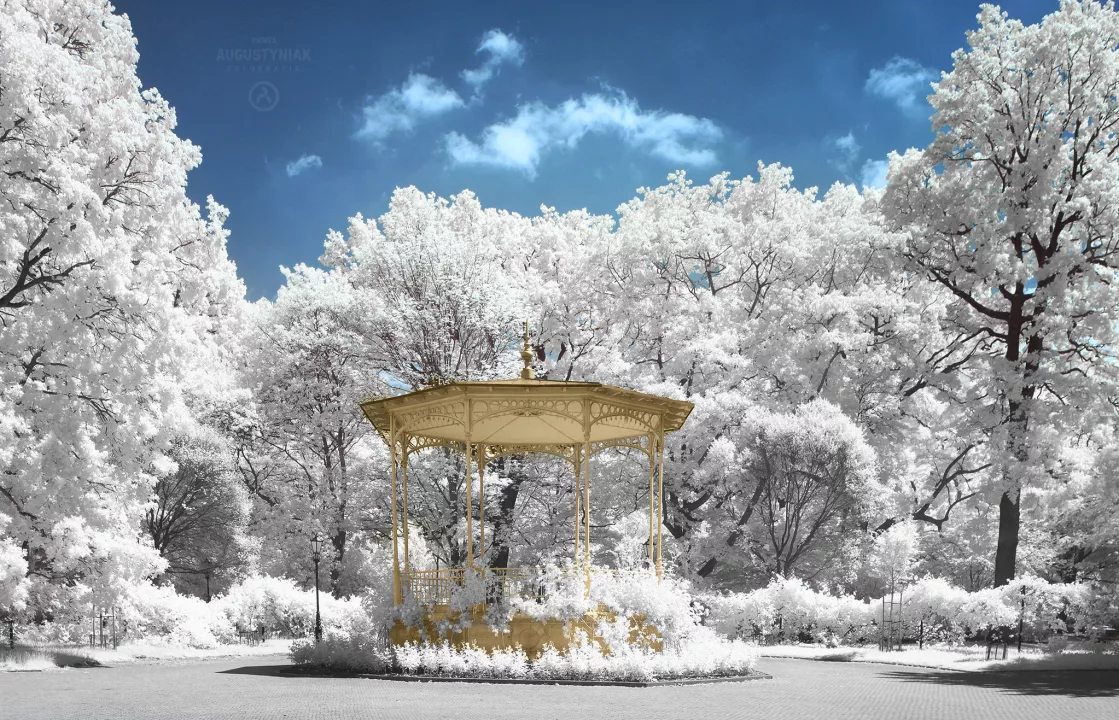
Located within ul. Żeromskiego, al. Włókniarzy, al. Mickiewicza and ul. Parkowej, situated near the Łódź Kaliska railway station. Founded in the first decade of the 20th century, it initially resembled a fir forest more and was a place of leisure for residents. However, it was decided to reconstruct the park; wide avenues became one of its elements, which carriages could travel along (for this reason, Park Poniatowskiego has the widest promenade paths compared to other parks in the city). The park has undergone many transformations (at one point potatoes were even grown there), ultimately the park area was significantly reduced after World War II. You can still admire historic gazebos and a small pond with a little bridge in it.
Park Źródliska
Park Źródliska is the oldest Łódź park; it is currently divided into Park Źródliska I (between ul. Fabryczną, Przędzalnianą and Al. Piłsudskiego) and Źródliska II (pl. Zwycięstwa, ul. Targowa and Fabryczna). Founded in 1840, called the Walking Garden, it initially had a forest character (as indeed all parks did in that period). The Garden was divided into two parts in the 1950s; today's Źródliska II park area was sold to Karol Scheibler. In the 1920s, the park was reconstructed according to the concept of E. Ciszewicz, thanks to which it included, among other things, a botanical garden. In the park you can also visit the Palmhouse, and Scheibler's palace is located there as well. In 2007, in a competition organized by the Briggs&Station gardening company, Park Źródliska was chosen the most beautiful city park in Poland.
Park Piłsudskiego
Located between Al. Unii Lubelskiej, ul. Srebrzyńską, Krakowską, Krzemieniecką and Konstantynowską. The largest Łódź park and one of the largest in Europe, with an area of 172 hectares. The final shape of the park is the result of work by several designers over many years. The greatest attraction, especially for the youngest, is the zoological garden located within the park. However, one cannot forget about Poland's largest botanical garden, a dendrological garden, an amusement park, sports areas, numerous natural monuments and the "Polesie Konstantynowskie" nature reserve.
Be the first! Add a comment.
You need to log in to add a comment.
Log in