
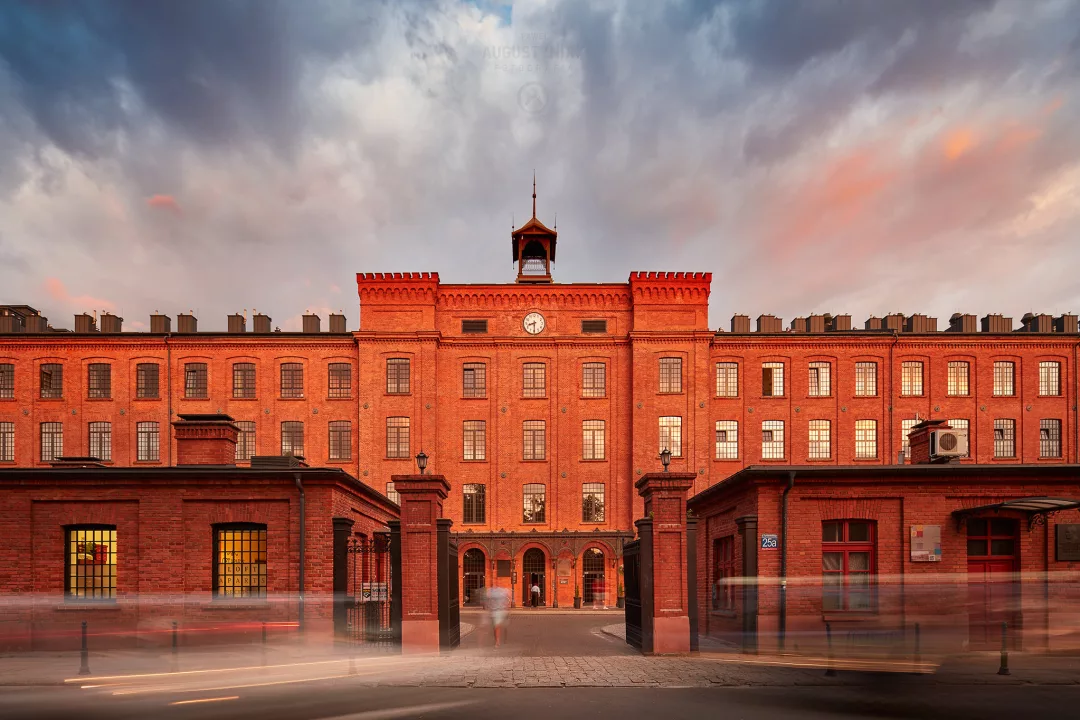
Factory owners ate differently from their workers. The former ordered meals in restaurants on Piotrkowska, the latter went home after their shift to Bałuty or Widzew and put a pot of zalewajka on the table. This soup never made it onto the tables of factory-owner receptions, but it survived in working-class family kitchens longer than many of the factories in which they worked.
How zalewajka differs from żurek and barszcz biały
Zalewajka is cooked on a rye sourdough starter - the same one used for żurek. What sets it apart is its composition: instead of white sausage and a hard-boiled egg, it is dominated by potatoes, sliced sausage and a roux with onion. From barszcz biały, prepared on a wheat sourdough starter, it is set apart by its rye base, which gives it a flavour clearly more sour and pronounced than other sourdough-based soups.
The soup of working-class Łódź, not factory-owner salons
The first mentions of zalewajka in the Łódź region date back to the 19th century, a time when thousands of people were flooding into the city looking for work in the textile factories. The soup was made from whatever was at hand and cheap: potatoes, sourdough starter, sausage, onion, sometimes mushrooms or carrots. It was a staple of the working class diet, not a dish for show. Along with the wave of industrial worker migration, zalewajka also travelled to the Świętokrzyskie region, where local variants of it are still cooked today.
Where it really comes from: Łódź or Radomsko
The region does not speak with one voice about who zalewajka owes its name and recipe to. The National List of Traditional Products includes zalewajka from the Łódź voivodeship, registered in January 2008 in the category of ready-made dishes and meals, and a year later zalewajka radomszczańska was registered separately. The two versions differ in minor details of preparation, but share the same origin: the poor working-class and peasant cuisine of the former Łódź voivodeship.
How zalewajka from Łódź is cooked today
The base is a rye sourdough starter, the same as for żurek - it can be bought ready-made or made at home, by mixing rye flour with water and leaving it to ferment for a few days. Diced potatoes and slices of sausage are added to a stock made with smoked meat or a bone, and finally a roux with onion and garlic. Salt, pepper and marjoram are usually the whole of the remaining seasoning, without the additions that would bring it closer to today's restaurant żurek served with a poached egg.
Where to find traces of working-class Łódź
Those who want to see how the people who cooked this soup every day actually lived should head for the city's former working-class island, Księży Młyn. It is here, among the brick tenement houses built for the workers of Scheibler's factory, that it is easiest to imagine the everyday life from which zalewajka grew.
The factory itself is shown from the inside at the Muzeum Fabryki (Factory Museum), set up in the former Scheibler spinning mill halls, while working conditions and the technology of the era are brought closer at the Central Museum of Textiles in the Biała Fabryka Geyera (Geyer's White Factory).
More ideas for a walk in the footsteps of industrial Łódź can be found among the Łódź museums, and you can also cook up your own, separately registered zalewajka in Radomsko. The contrast with working-class everyday life is best seen at the Stary Rynek (Old Market Square), the city's former commercial centre.
In practice: where to try zalewajka today
Zalewajka has not gained one iconic Łódź eatery that serves it the old way - this is a home dish, not a restaurant one. The easiest place to come across it is in smaller, family-run venues serving regional cuisine, and at food fairs and culinary festivals held in the city and the surrounding area. It is worth asking specifically for zalewajka rather than żurek - on many menus these are two separate items. You can read more about the city's working-class past in the Poznaj Łódź section.
Be the first! Add a comment.
You need to log in to add a comment.
Log in