
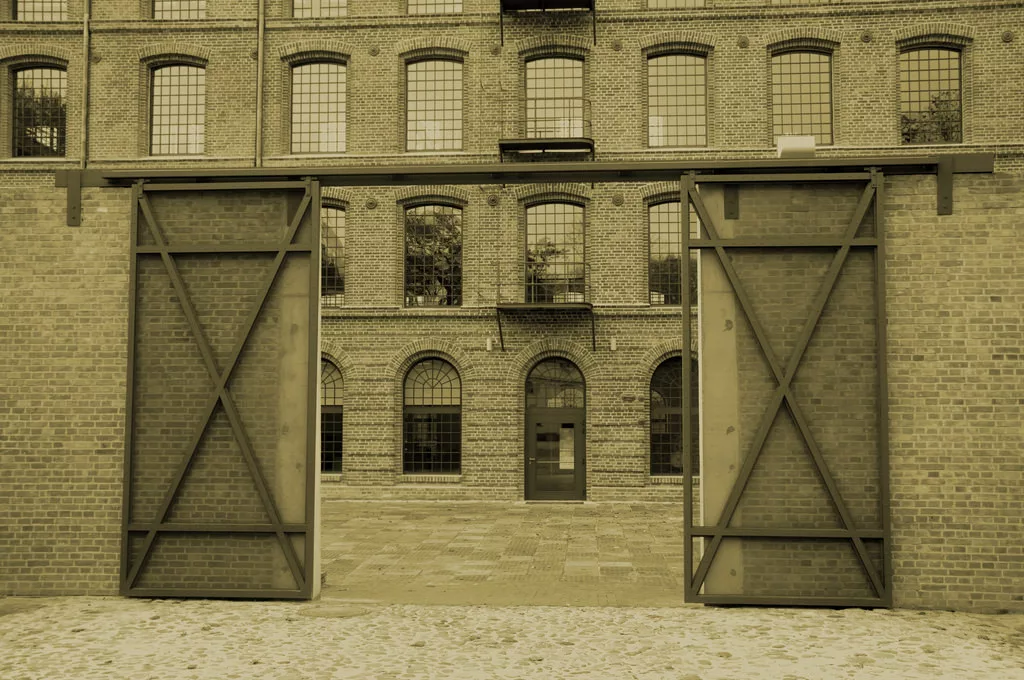
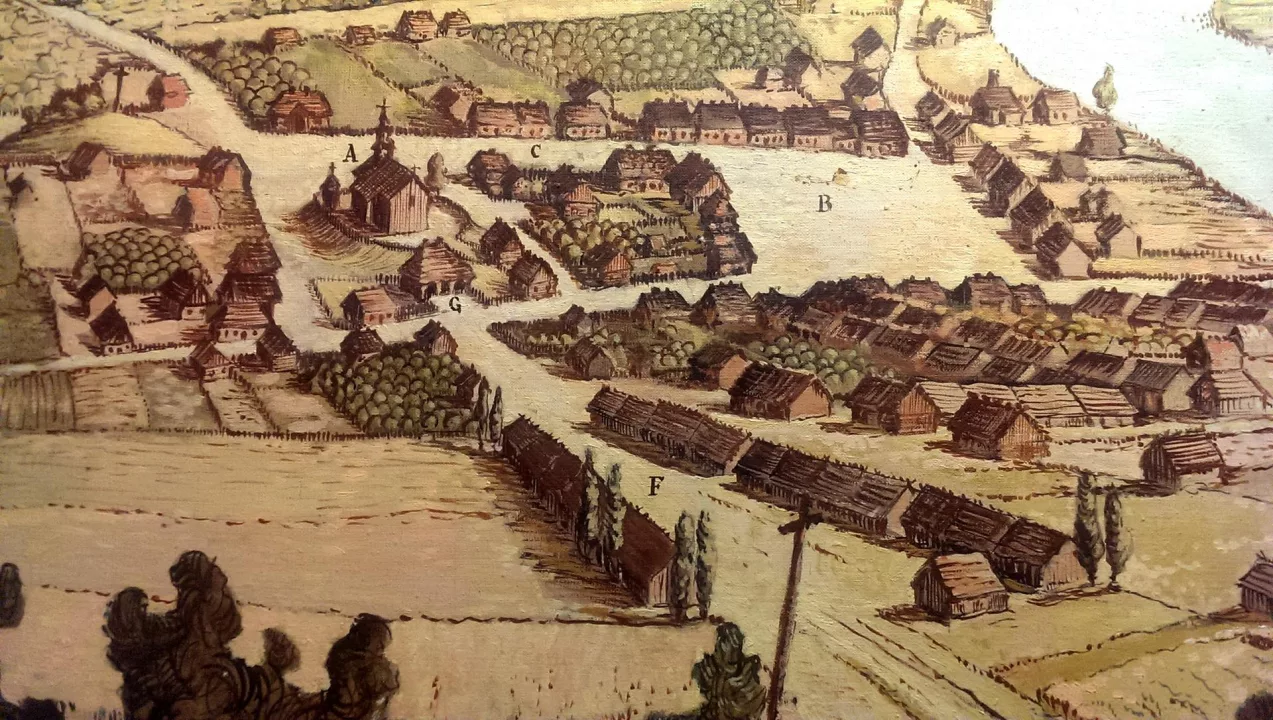
Initially, Łódź (or rather Łódka as it was then called) was a village; only in 1423 did Władysław Jagiełło grant it city rights. This did not, however, lead to Łódź's flourishing; it remained an agricultural settlement, one of many in the country. Something stirred only in 1820, when Józef Zajączek, the Viceroy of the Kingdom of Poland, announced the possibility of establishing industrial settlements for cloth makers, weavers and spinners within state-owned towns. The decree was intended to create conditions for the development of the textile industry in the Kingdom of Poland. As it quickly turned out, Łódź benefited most from this, and an industrial settlement was established there in 1821. Not insignificant was the fact that Łódź – due to its location and several other factors – was simply ideal for establishing a textile settlement. The location guaranteed sufficient surface water for technological needs, easy access to necessary materials (forests and brick works), and finally the city was located on an important trade route (Łęczyca-Piotrków). Soon after the decree was issued, the first manufacturers hungry for success began to flock to Łódź, seeing their opportunity in the emerging industrial settlement.
Łódź of Manufacturers
The first to appear in the city were weavers from Grunberg, that is from the territory of former Prussia. Initially there were only a few, within half a year – a dozen or so had already settled in Łódź. Not insignificant was also the assistance that the new settlers received from the Kingdom of Poland and the city's mayor.
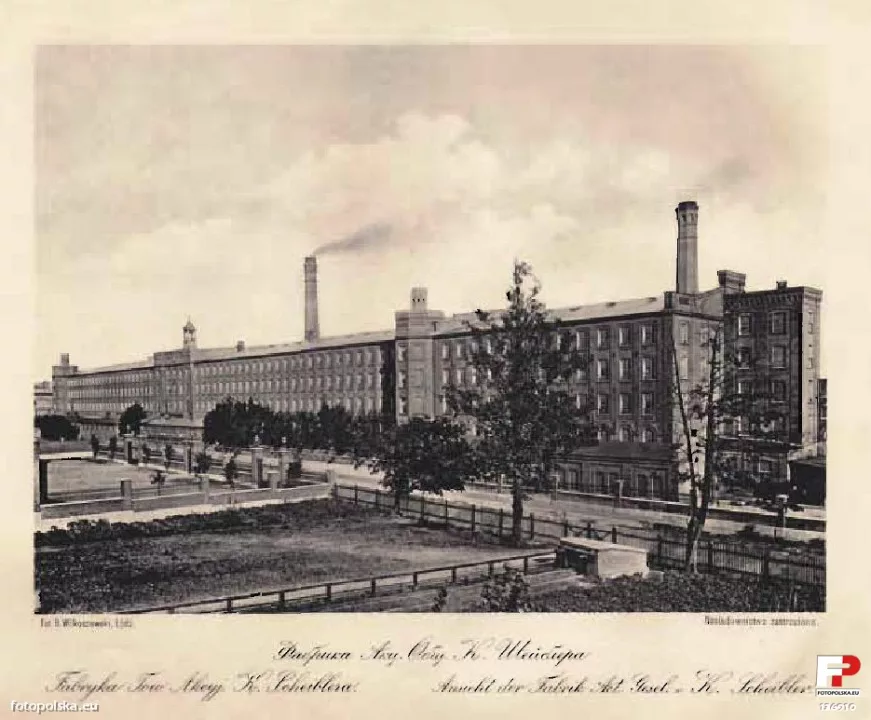
Ludwig Geyer, Karol Scheibler and Izrael Poznański are considered the manufacturers who most contributed to ushering Łódź into a new era. Known as the cotton kings, they quickly built their empires, in which they employed thousands of people; their luxurious residences delight the eye to this day and blend into the city's architecture. Geyer arrived in the Kingdom earliest and he was the first to apply the steam engine in the textile industry, but Scheibler and Poznański brought about greater revolution, as they built true industrial complexes, together with adjoining workers' settlements. Both also contributed to the construction of many public buildings (schools, hospitals, churches, etc.).
Be the first! Add a comment.
You need to log in to add a comment.
Log in