
Karol Scheibler was born in the Rhineland in 1820 and was the son of a German industrialist – his father owned a cloth mill. It is hardly surprising that young Scheibler decided to follow in his father's footsteps. He devoted his youthful years to learning – first he trained in the trade (in England), then gained practical experience in European factories. Already as an eighteen-year-old he became director of his uncle's spinning mill in Verviers. His career was only gathering pace – a few years later he opened a representative office for several English firms dealing in textile machinery sales. It seemed he would settle permanently near Vienna, but in 1848 he came to the Kingdom of Poland and that same year became director of a spinning mill at a factory in Ozorków belonging to yet another of his uncles.
Scheibler's Empire
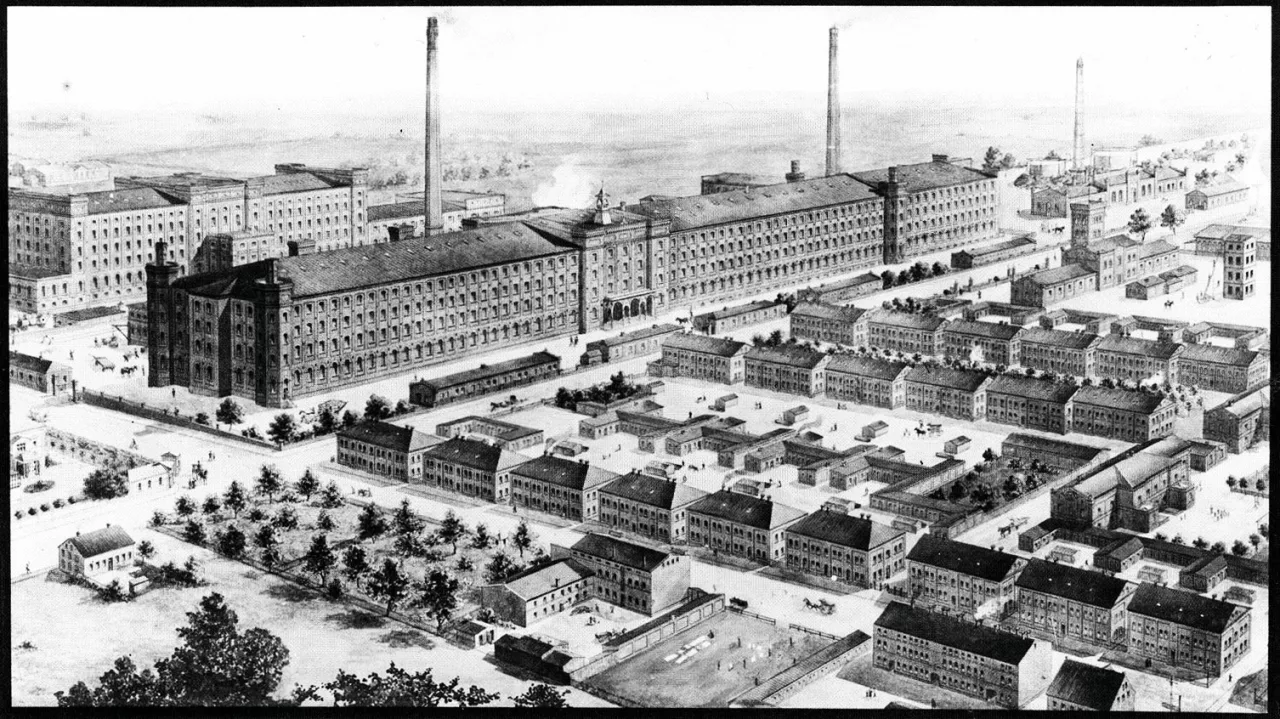
In 1852 he founded his first partnership in Łódź, and three years later – his first fully mechanized factory located at the present-day Zwycięstwa Square, which was the first building in his growing empire. Thanks to his thorough knowledge of the industry, he managed to foresee the cotton crisis in the USA and ordered sufficient quantities of raw material in advance so that later – when other factories were unable to purchase cotton – he could continue production. Scheibler also sold thread at three times the higher price. The industrialist also purchased real estate from manufacturers who proved less foresighted than he was. One such property was Księży Młyn, which he acquired in 1870.
Social Activities
Scheibler not only made Łódź one of Europe's leading centers of textile industry, but also provided employment for hundreds of people and felt obliged to actively participate in the life of the city. He was a philanthropist – he co-financed and financed the construction of key buildings for Łódź, such as hospitals, schools and churches, and also supported charitable causes. He also contributed to the construction of the Warsaw-Vienna Railway, which to this day serves as an important railway hub connecting Łódź with the capital.
Księży Młyn
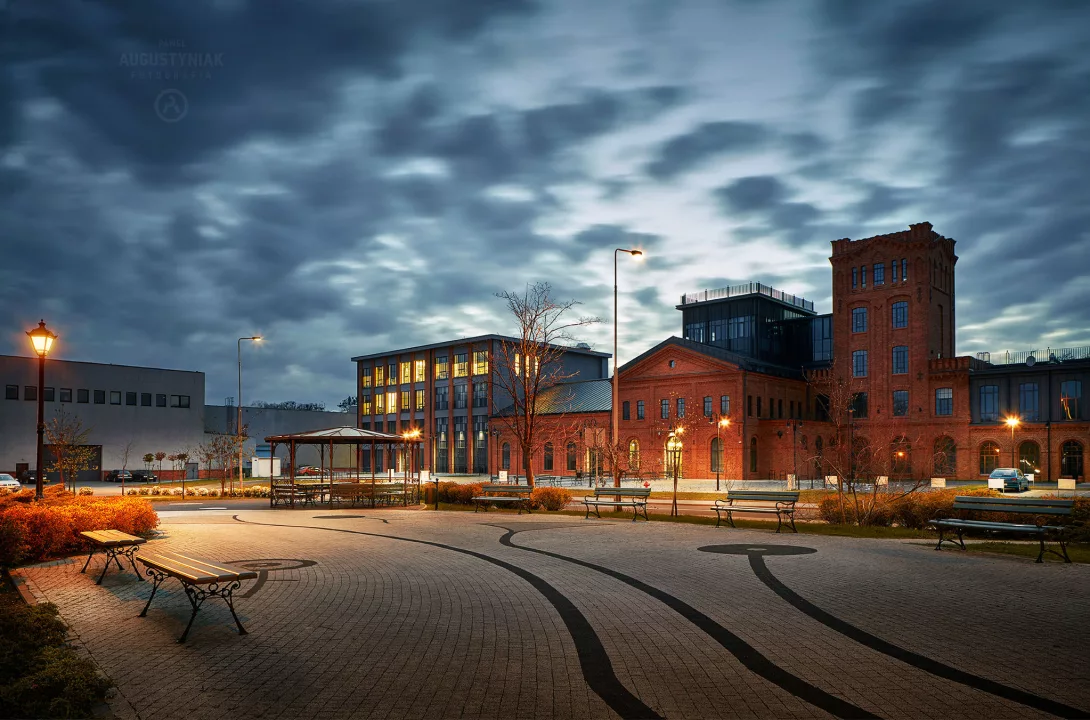
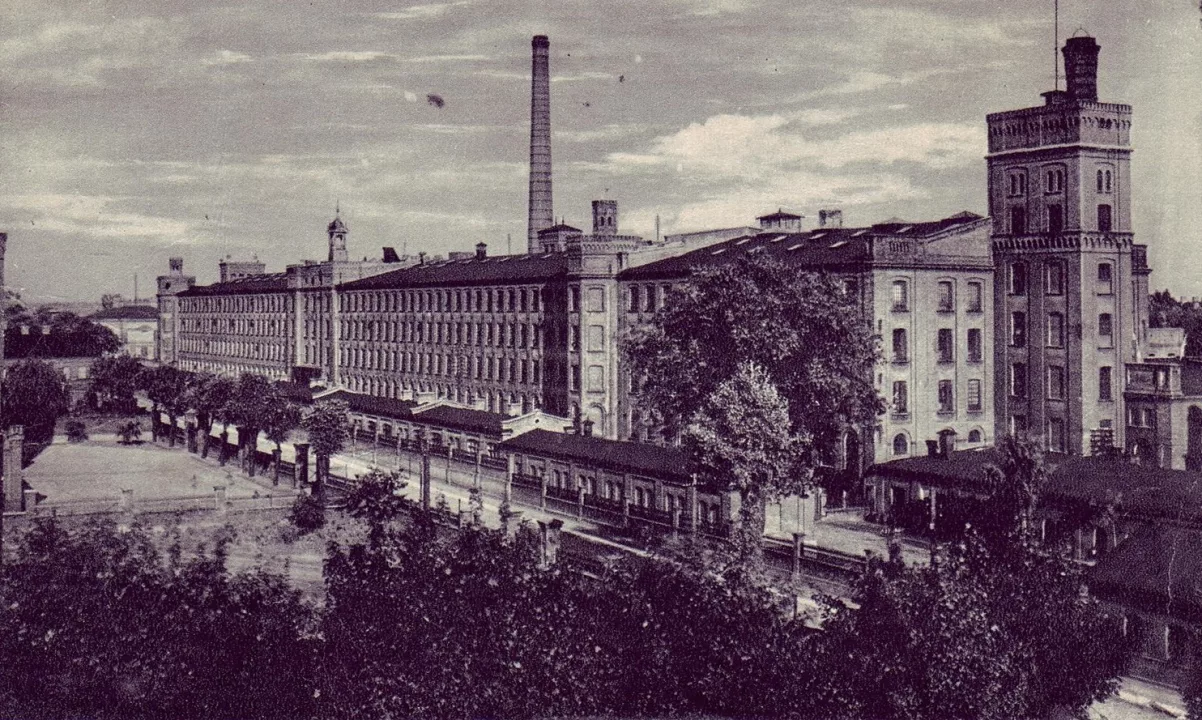
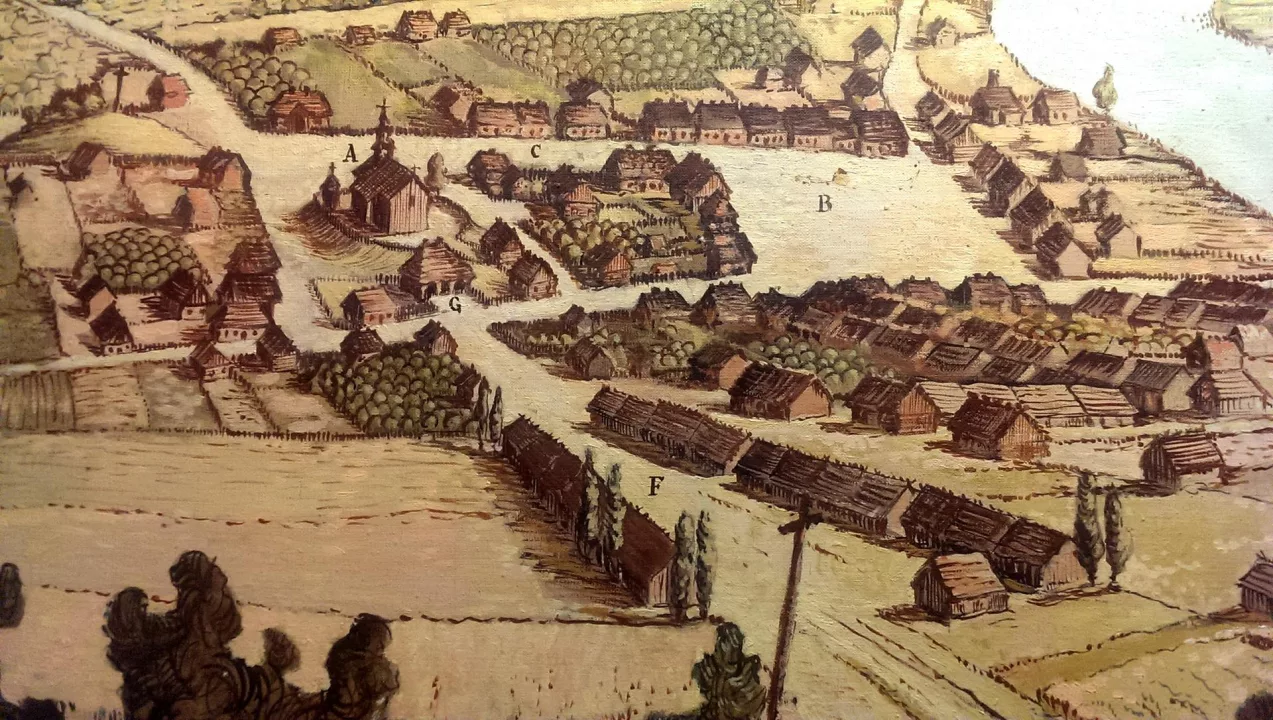
Księży Młyn might never have come into Scheibler's hands had it not been for a fire at Teodor Krusche's spinning mill in 1870, located precisely on Księży Młyn above the Jasień river. The original owner could not afford to rebuild, so Scheibler purchased both the burned-down factory and the entire territory of Księży Młyn and Wójtowski Młyn. The largest spinning mill became the one located along Tymienieckiego Street – it was over 200 meters long. The industrialist invested in modern steam-powered machinery and decided to build a workers' settlement on the Księży Młyn site. An elementary school was built for the children of workers, and the settlement also featured a police station and fire station. Workers with good records could purchase food at significantly reduced prices. Soon afterwards, a hospital with a pharmacy, a library, and a recreation center were built. Scheibler did everything to ensure his workers had what they needed. Currently Księży Młyn is undergoing renovation, but has not yet undergone thorough revitalization.
Be the first! Add a comment.
You need to log in to add a comment.
Log in