
Winds of change from the east
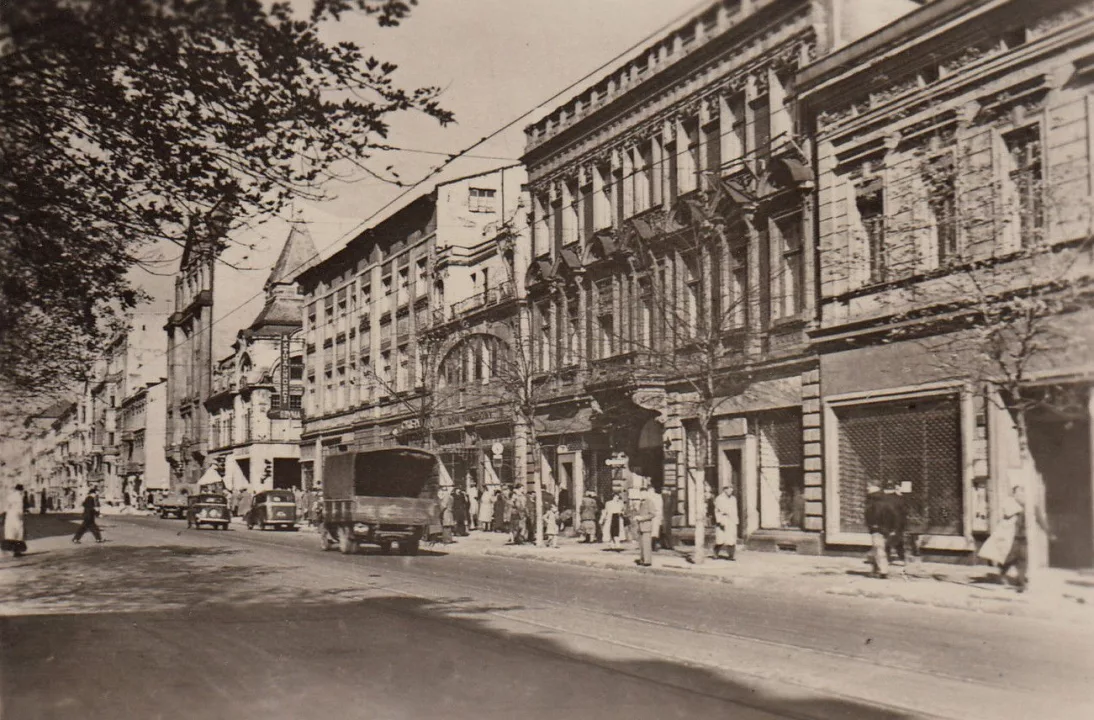
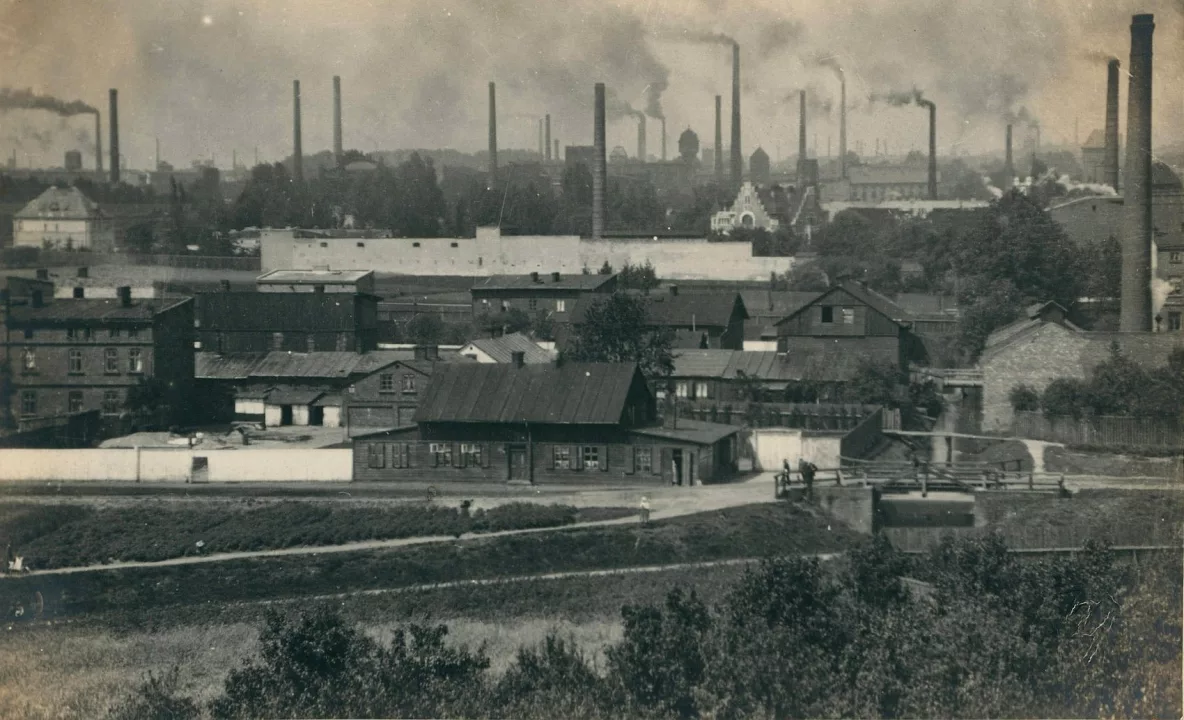
It is said that Łódź is a wonderful city that unfortunately lacked a bit of luck. It has a problematic legacy in the form of extensive post-industrial architecture, a neglected Śródmieście (city center), and oversized districts. All of this is a reminder of Łódź's working-class past, but one must not forget that the city quickly became a multimillion-strong metropolis that absorbed surrounding settlements, and right after the war Łódź was (not without reason) seen as Poland's new capital. How did this happen?
In 1945, Poland found itself in the center of Soviet influence. This had a series of various consequences, including in the form of a property revolution. In the newly formed Polish People's Republic, the authorities decided on investments and the economy, including urban ones. "We are fixing the streets, renovating houses" ‒ the newspaper headlines proclaimed back then. Łódź did not require thorough reconstruction, as it had not been heavily destroyed as a result of military operations. For various reasons (including the fact that many socialists lived in Łódź) the authorities wanted to win over the people of Łódź and encourage Poles to settle in this city.
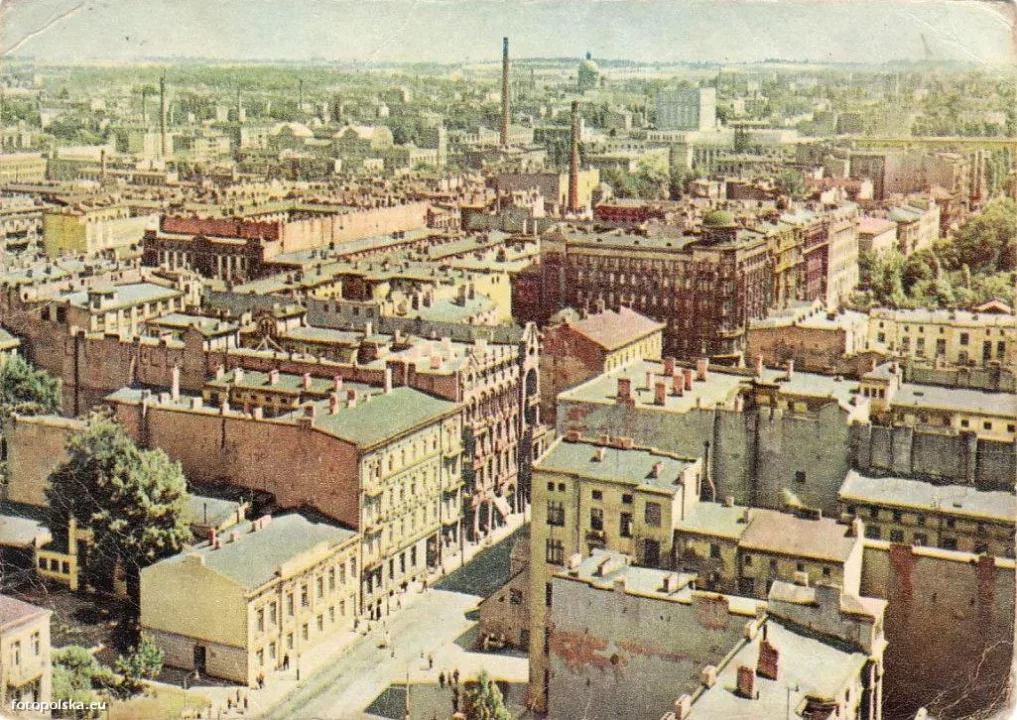
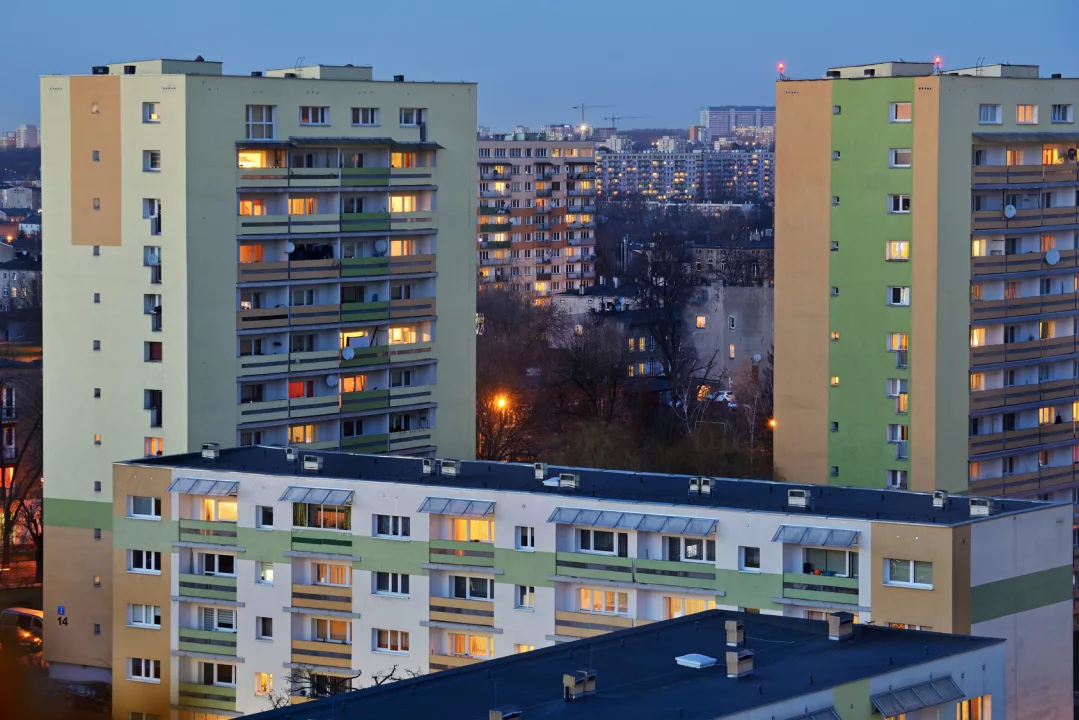
So construction work began. Many housing estates were created at that time, mainly on neglected Bałuty and Śródmieście, where the Germans established a ghetto during World War II. At that time, the construction of a water pipeline was also completed, which connected the Pilica river with the city. In the process of sweeping away the ghosts of the past from the city, a decision was also made, one that cannot be justified, to liquidate the old Jewish cemetery on ulica Wesołej (Wesołej Street) and build a residential block in its place, next to which a two-lane north-south road was constructed.
The ideals of modernist architecture were enthusiastically implemented in the plan for the organization of urban space in Łódź. Special zones were designated in it, moving large residential estates to the outskirts of the city and thereby leaving the center to itself. The residents of Łódź feel the effects of these ideas to this day. The period of greatest architectural investments, however, fell in the 1970s. It was then that the reconstruction of Śródmieście was undertaken, replacing beautiful, nineteenth-century buildings with enormous skyscrapers. To this day they are used as offices and locations for service salons.
Łódź as Poland's cultural capital
A very important advantage for the plan of post-war renewal of Łódź was also the fact that after the end of the occupation the city became depopulated. The Jews, whom the Germans brutally murdered, disappeared from it, and the perpetrators themselves hastily fled abroad at the turn of 1944 and 1945. The heart of Łódź thus stood empty, and spacious, sprawling apartments in the center attracted party notables, who were all the more eager to invest precisely in Łódź. Besides, initially the residents themselves were satisfied with the political changes happening before their eyes. Right after the liberation, Łódź bloomed with white-and-red and red flags, through which the people of Łódź wanted to honor their liberators. The Red Army did not provoke negative reactions in them until the moment when political order, looting and rape began in earnest. It is therefore no wonder that the first strikes broke out as early as July 1945.
Red City Łódź became Poland's cultural capital right after the war. In Warsaw, which was destroyed beyond repair, newspapers, publishing houses, and theaters could no longer operate. Writers, painters, actors and directors, as well as journalists and political leaders ‒ all flocked to Łódź, seeking peace and working conditions in it. It was then that the Polish Army Theater arrived here, the Polish Army Film Studio "Czołówka" was established, the Miniatures Theater "Syrena" was created, and the major Polish publishing houses had their headquarters here, with "Czytelnik", "Książka", "Wiedza" at the forefront. Famous writers and poets settled here. Łódź was to become the center of a new, Marxist, popular culture. This was facilitated by the working-class character of the city, great industrial traditions and relatively minor war damage. The city was experiencing its great days.
The period of PRL splendor lasted, however, only until 1948. It was then that the largest theaters, newspapers, and publishing houses began to move back to Warsaw one by one. Contrary to some people's dreams, the capital was never moved to Łódź, and the city returned to its former role as a leader in the textile industry. It remained so until the turn of the eighties and nineties of the last century.
Be the first! Add a comment.
You need to log in to add a comment.
Log in