
History of settlement in Łódź
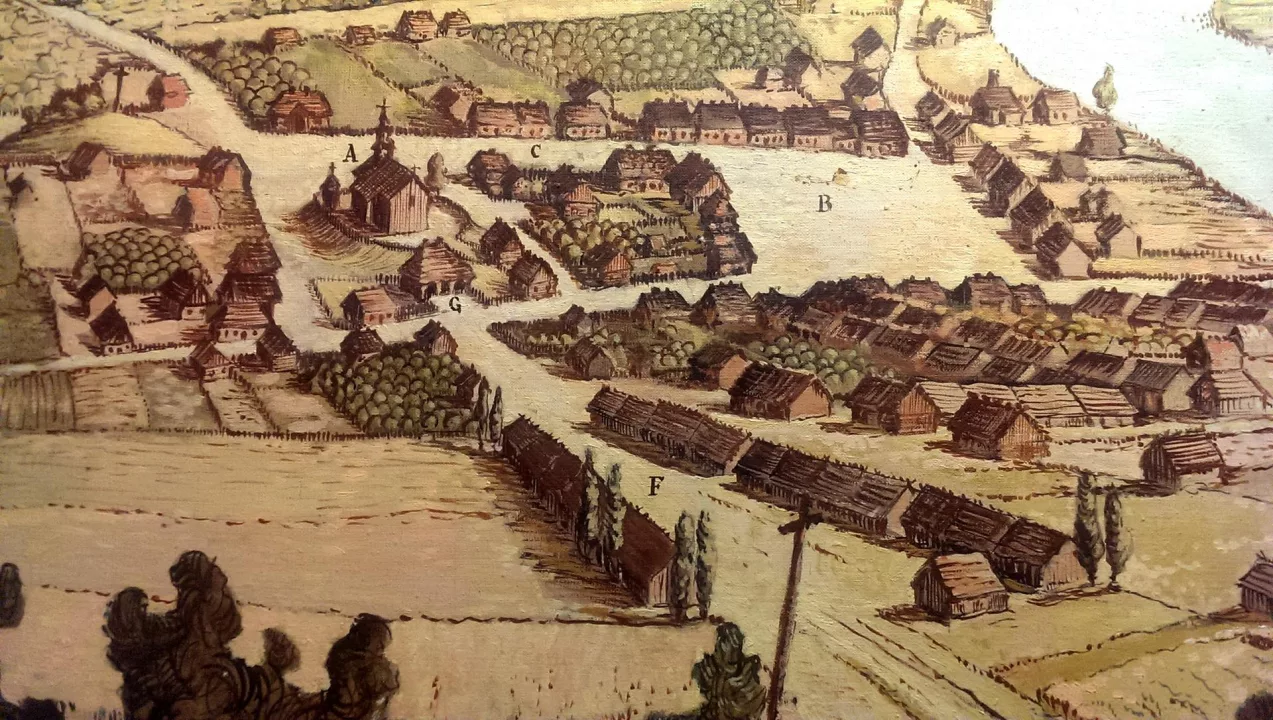
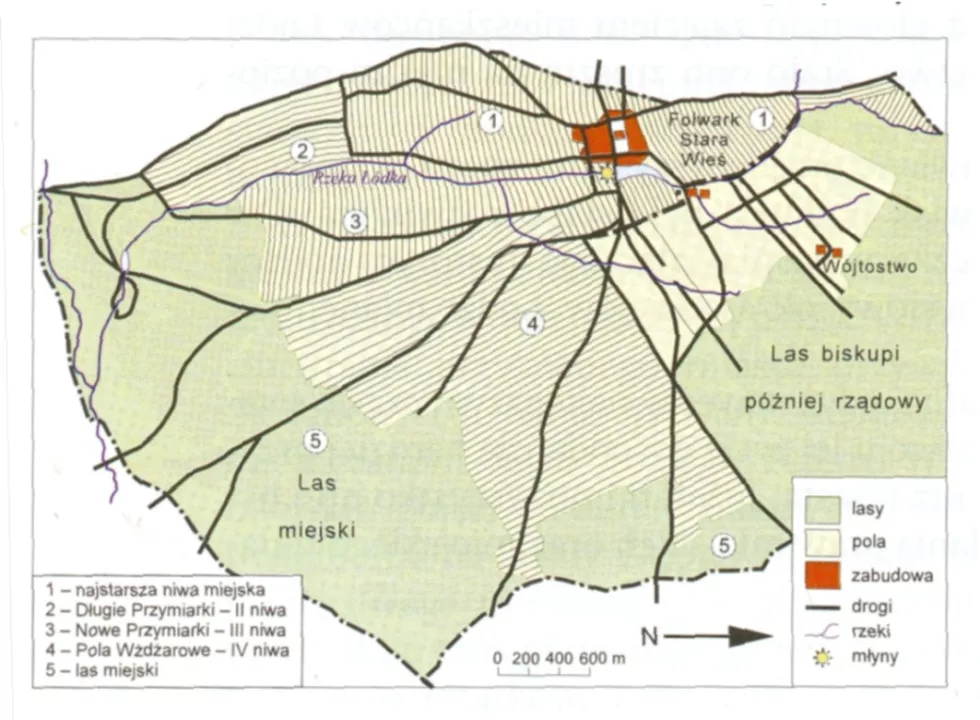
The first written records of Łódź date from 1332. Before it became a city, it was an agricultural settlement. As late as 1414, Łódź was known under the name Ostroga, which was derived from the older name of the Łódka river. A few years later it began to be called Łódź, which was located at a small distance from a village bearing the same name. The boundaries of Łódź ran through łęczycka land as far as Zgierz, Tuszyn and Piotrków. Łódź was surrounded on all sides by numerous forest areas – the present-day names of districts and streets are vivid proof of this. Today's Dąbrowa district was once known as a place overgrown with oak trees, Chojny was a place where coniferous trees – spruces – grew, and in Rokicie there were osier willows. The Grabieniec settlement, located in the Bałuty district, was overgrown with hornbeams. In the former settlement, apart from lush vegetation, there were also animals. For example, the name Żabieniec conceals information in its name about amphibians that inhabited wetland areas. In 1423, Łódź, by order of Władysław Jagiełło, received city rights. From that date, Łódź ceases to be a bishop's settlement and becomes a city. At the same time, Łódź obtains the right to organize markets and fairs, and in 1433 it receives the right to use a city seal. In the newly created city, the population engaged in agriculture, crafts, organized hunts, and also tried their hand at trade.
A turning point in the city's development and the beginnings of an industrial city
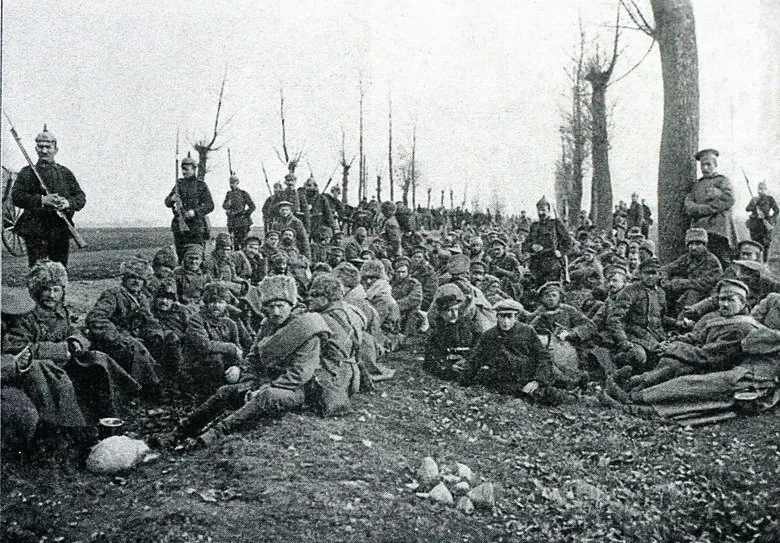
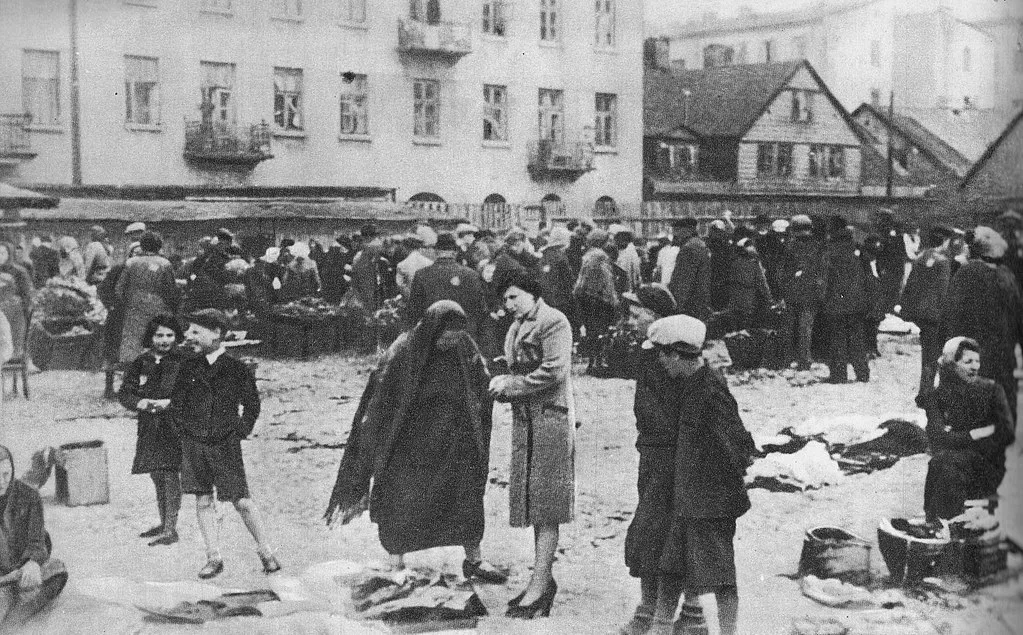
September 18, 1820 is a turning point in the history of Łódź, for it was then that our city was incorporated into the remaining industrial settlements. This event set a new direction for development and outlined a bright future for Łódź. A large amount of forests and rivers made it possible to obtain building materials such as wood and bricks, and favored the implementation of technological solutions. Thanks to excellent natural conditions, Łódź met the necessary criteria to become a powerful factory city. In the years 1821-1823, a textile settlement was laid out on its territory. This moment is considered the official beginning that opened Łódź the Industrial. The visible potential caused an influx of population and made Łódź become the cradle of multiculturalism. A large percentage of newcomers were craftspeople. From 1828 onwards, the largest industrial facility, Geyer's plant, popularly called the White Factory, began to be established in this city. It was here that the first steam engine in the territory of the Polish Kingdom was installed. From 1865, the Fabryczno-Łódzka railway line began to operate. Nineteenth-century Łódź was a period of prosperity and wealth accumulation for the "cotton kings." In this connection, famous names should be mentioned: Poznański and Scheibler. At the initiative of the latter, Łódź's first bank was established. Today their former industrial plants and residences are architectural monuments, silent witnesses to the period of Łódź's prosperity. The twentieth century brought enormous losses to the city. Wars, which largely destroyed the city, contributed to this. After the difficult period of German occupation during World War II, Łódź continued to develop. The first universities were established – the University of Łódź and the Polytechnic. The history of Łódź shows its extraordinary nature and power. From an apparent and small agricultural settlement, Łódź transformed into the fastest-functioning industrial center in nineteenth-century Poland.
Be the first! Add a comment.
You need to log in to add a comment.
Log in