

W niemal wszystkich historiach dotyczących narodzin przemysłowej Łodzi pojawiają się trzy nazwiska – Scheibler, Poznański i Geyer. Kolejność nie jest do końca przypadkowa; Scheibler zgromadził największy majątek z całej trójki, z kolei Poznański pozostawił po sobie niesamowite imperium, które dziś możemy podziwiać jako łódzką Manufakturę. O ile historie o Scheiblerze i Poznańskim to historie o robieniu interesów i dostrzeganiu szans tam, gdzie inni nie byli w stanie ich dostrzec, o tyle historia Geyera to już historia upadku człowieka, który sukces miał podany na tacy.
Geyer's Beginnings
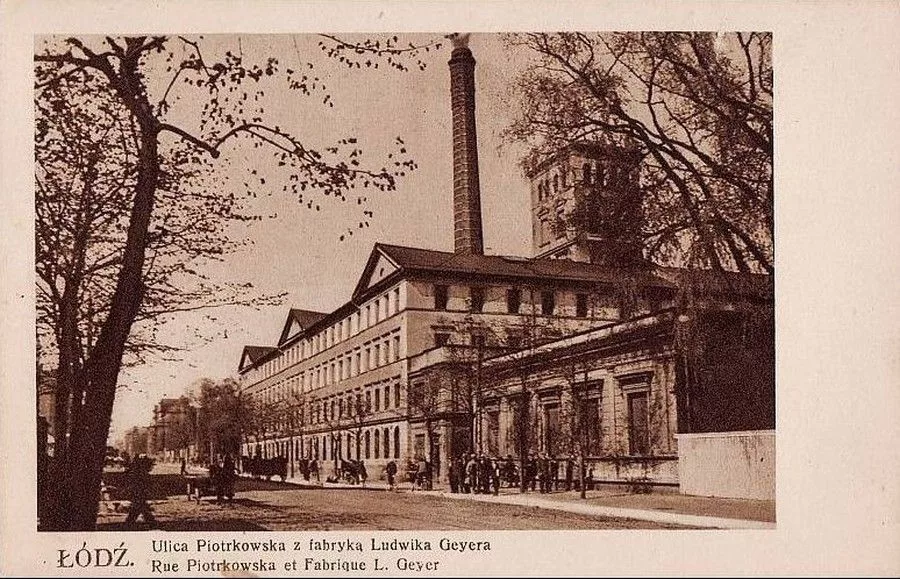
Ludwik Geyer was born in Germany, more precisely – in Berlin, in 1805. He was decidedly older than the other two famous Łódź industrialists – Scheibler and Poznański, who could moreover learn from his mistakes. He came from a manufacturing family and everything indicated that he would continue the family tradition, although the Geyers' business did not bring the expected profits. This was to change after the move to the Kingdom of Poland, more precisely – to Łódź, which became almost the apple of the eye of the Congress Kingdom. The city gained numerous privileges and state patronage. In such an atmosphere – in 1828 – Geyer negotiated a favorable contract, which assumed that the Congress Kingdom would guarantee him assistance in the form of building plots, help in constructing textile mills, and in importing yarn with lower tariffs. Construction of weaving workshops began, which Geyer was to build as quickly as possible according to the agreement. Just 5 years later he had 33 workshops at his disposal. Soon after he built the Biała Fabryka (White Factory) – a large spinning mill and mechanical weaving mill, and then placed in it the first steam engine in the Kingdom of Poland used in the textile industry.
The Story of Collapse
Despite enormous success and huge sums of money he gained, Geyer eventually stopped controlling the situation, which led to a crisis in his enterprise. The entrepreneur fell into debt and slowly lost the financial ability to compete with other manufacturers. However, these were not Geyer's only troubles. In 1863 Russian authorities imposed a financial penalty on him, and when it turned out that he was unable to pay it – they threw him in prison. Although the industrialist's family managed to raise money to pay the penalty, and Geyer himself was released, he died just a few years later. As a bankrupt.
The First Steam Engine in the Kingdom of Poland
Undoubtedly Geyer contributed to the development of the textile industry in Łódź. He introduced modern machines to textiles, including a steam engine. The Biała Fabryka, his greatest pride, continued to operate even after his death. It should be remembered that Geyer was the first to seriously engage in the cotton business, which for a long time was the basis of the city's power. Nevertheless, his story does not end happily, and he becomes not only a symbol of building industry in Łódź, but also a cautionary tale for all those who mismanage their enterprises.
Biała Fabryka
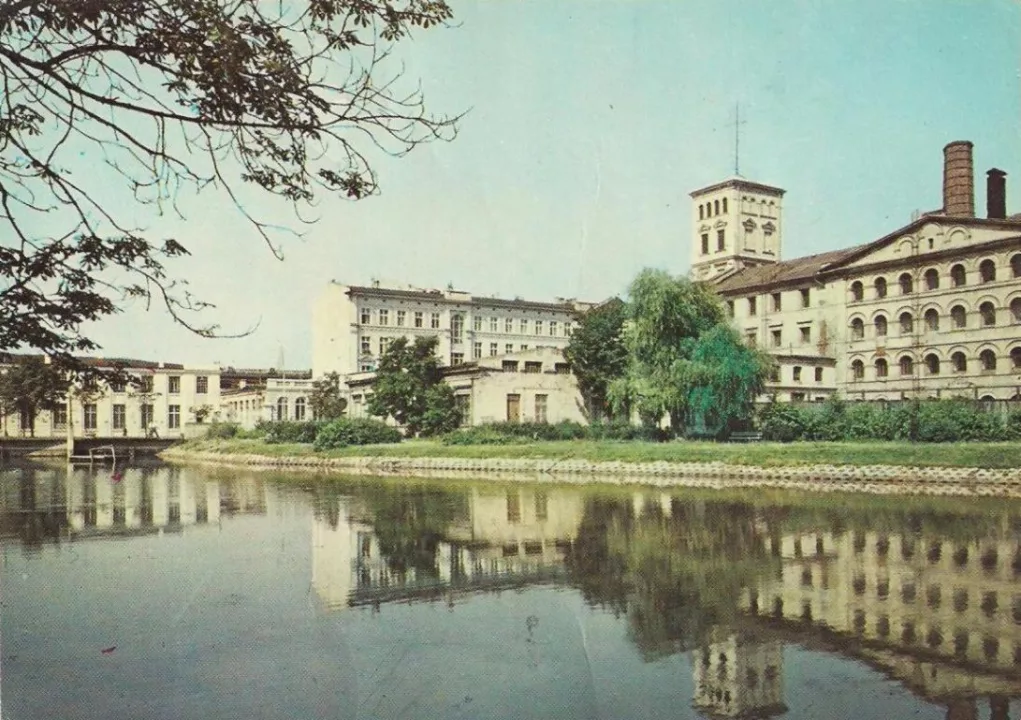
Today the Biała Fabryka is primarily the headquarters of the Central Museum of Textiles, recognized as a historical monument since 2015. From the outside it does not look like a factory – it is a complex of neoclassical buildings, modeled on residential buildings. The Biała Fabryka housed the first weaving and spinning mill in the city, and it was also where the first steam engine in the textile industry operated in the Kingdom of Poland. Currently it enjoys somewhat greater popularity due to the museum, but is not as recognizable as, for example, Manufaktura.

Be the first! Add a comment.
You need to log in to add a comment.
Log in