
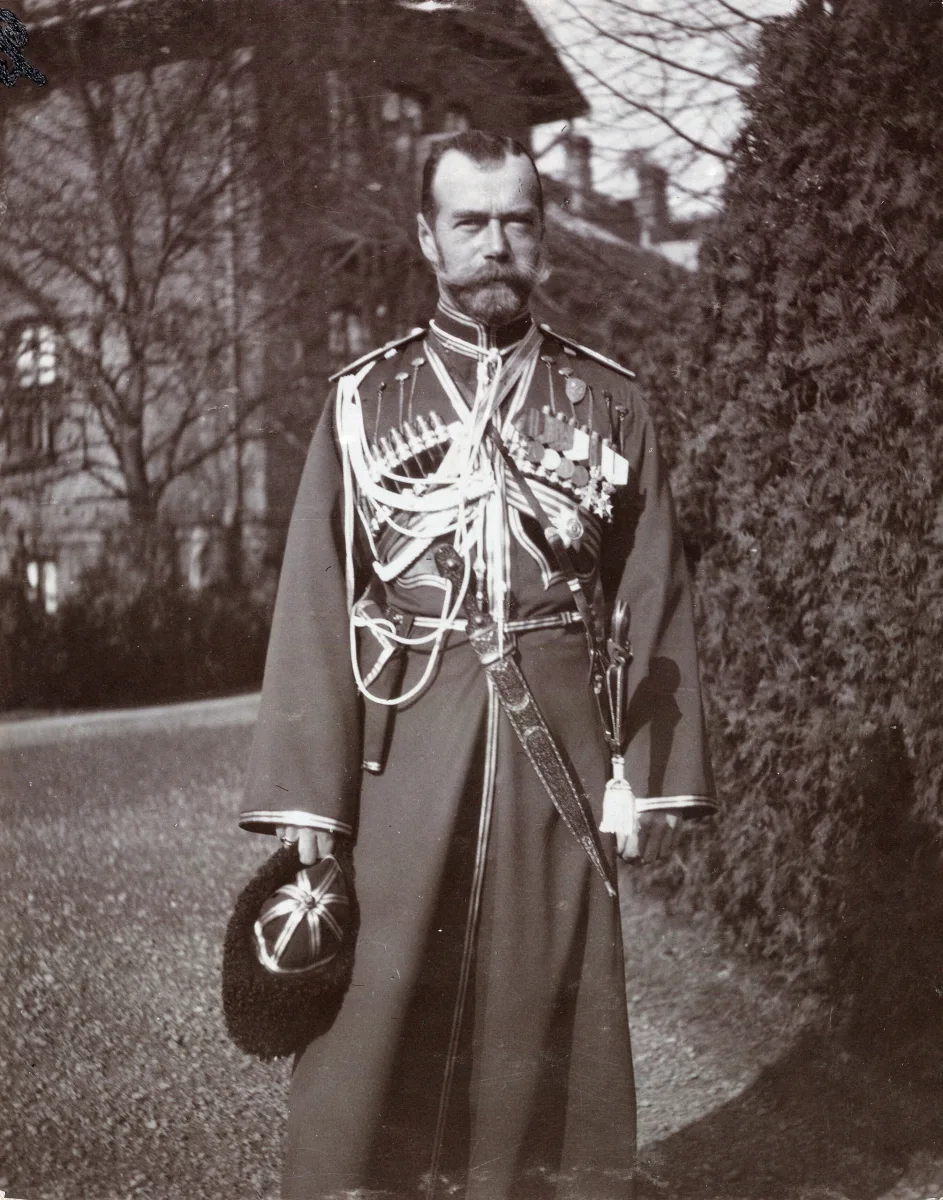
Before Spała became a tsarist hunting retreat and later a summer residence for the presidents of the Second Polish Republic, its very name already raised curiosity. Where did this short, unusual word come from? There are two answers - and, as is often the case with place names centuries old, neither is a hundred percent certain.
The legend: a duchess who fell asleep during a hunt
According to a tale written down in 1935, the name of the village comes from the words "księżna spała" (the duchess was sleeping) - supposedly the reaction of courtiers who, during a hunt in the surrounding forests, discovered that a duchess accompanying the hunt had fallen asleep in the shade of the trees, overcome by heat or fatigue. The words spoken then are said to have stuck to the place over time and become its name.
This is a typical Polish place-name legend - a story that explains a name whose meaning has been lost, through a simple, vivid event. It should be remembered, though, that this is a tale, not a documented fact: it is not known which duchess it was supposed to be, nor in which century the story is said to have taken place. The fact that the legend was only written down in the 20th century, long after the name Spała had already been in use for generations, further weakens its credibility as a historical source.
The historians' version: a family of millers by the Gać stream
Historians point to a far more down-to-earth, but also more plausible, explanation - the name of the village may come from the Spała family, millers who once worked the land by the nearby Gać stream. In old Poland, the names of settlements very often came precisely from the names of families who were the first to settle in a given place or to run a business there, such as a water mill.
This version has nothing of an anecdote about it, which is why it rarely appears in tourist guides - it is harder to sell "a miller's surname" than "a sleeping princess". From the point of view of historical method, however, it is sounder, since it rests on a typical mechanism of place-name formation, well documented elsewhere.
Why it is worth knowing both versions
Setting the legend alongside the historians' version shows well how local memory works - a folk tale does not have to be true to survive and become part of a place's identity. Over the following centuries Spała in any case gained a fully real, documented history as a site of tsarist hunts and a summer residence of the presidents of the Second Republic, so the etymology of its name is today more of a curiosity than a key part of the village's image.
It is worth keeping both versions in mind while walking around today's Spała - for instance passing the Dąb Niepodległości (Independence Oak) or Sołtysówka, places that have nothing to do with the legend, but that capture well the quiet character of today's village on the Pilica.
What else ties Spała to folk tradition
The name is not the only element of folklore connected with Spała - since the interwar period the village has also been associated with annual harvest festivals (dożynki), begun by President Ignacy Mościcki, continuing in a new, republican form an older tradition of celebrating the harvest. This shows that Spała has long combined two orders - an official history documented in sources and a living, local tradition passed down orally. More topics like this, combining legend with the region's history, can be found in the Poznaj Łódź (Get to know Łódź) section, and other atmospheric places in the region on the portal's overview page.
How to see today's Spała
Spała lies about an hour's drive south of Łódź, in the heart of the Pilica Forest (Puszcza Pilicka). A walk around the village, taking in the places mentioned in this text, takes at most two hours and can easily be combined with a visit to the remains of the tsarist and presidential residence in the same area. Entry to the village and the park is free.
Be the first! Add a comment.
You need to log in to add a comment.
Log in