
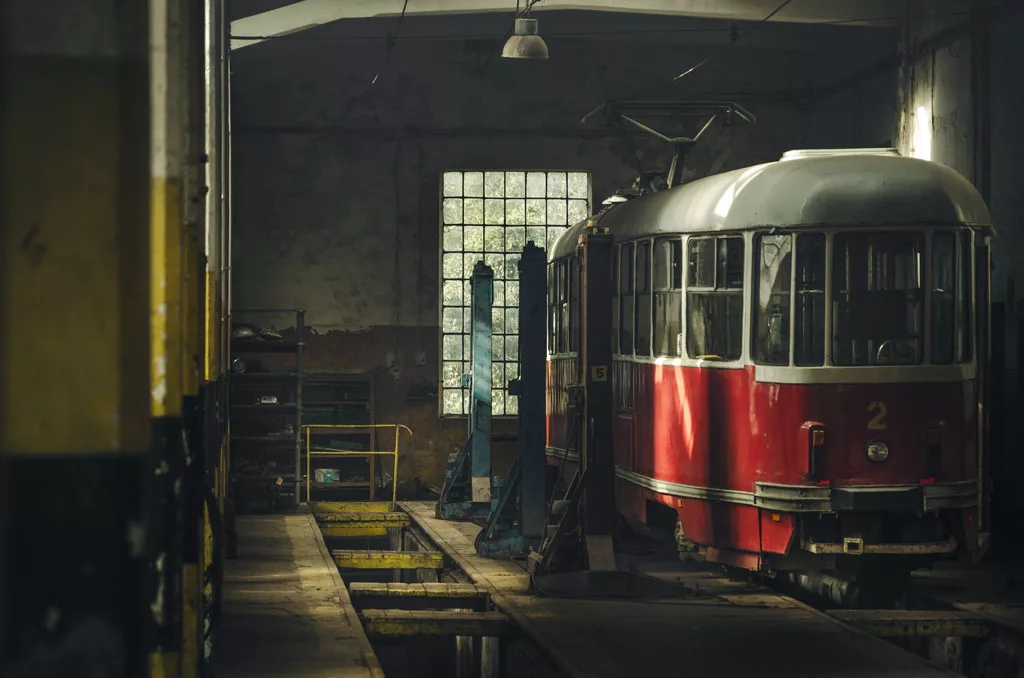
History of the First Electric Tram Network
Łódź was the first Polish city to launch an electric tram network, which was then the most modern means of transport. This took place on December 23, 1898, under an agreement between Łódź industrialists from February 13, 1897. The most active figure was Łódź factory owner of German descent, Juliusz Kunitzer, today called the father of Łódź trams. The group also included well-known manufacturers, among them: Scheibler, Grohman, and Geyer. Together they created a document called the Consortium of the Łódź Electric Railway, guaranteeing network exclusivity. The document had a typical character of papers drawn up during the Russian partition period. Information about the new means of transport could be read in the contemporary newspaper "Rozwój". Initially, only two short tram lines were created, covering Śródmieście (city center). Their routes ran from 5 a.m. to 11 p.m. The first trams consisted exclusively of second-class cars. The new form of communication quickly gained favor with residents, who eagerly used the trams, which contributed to significant profits. The electric network in Łódź was operated by one of two major concerns of that time, AEG (Powszechne Towarzystwo Elektryczne / General Electric Company).
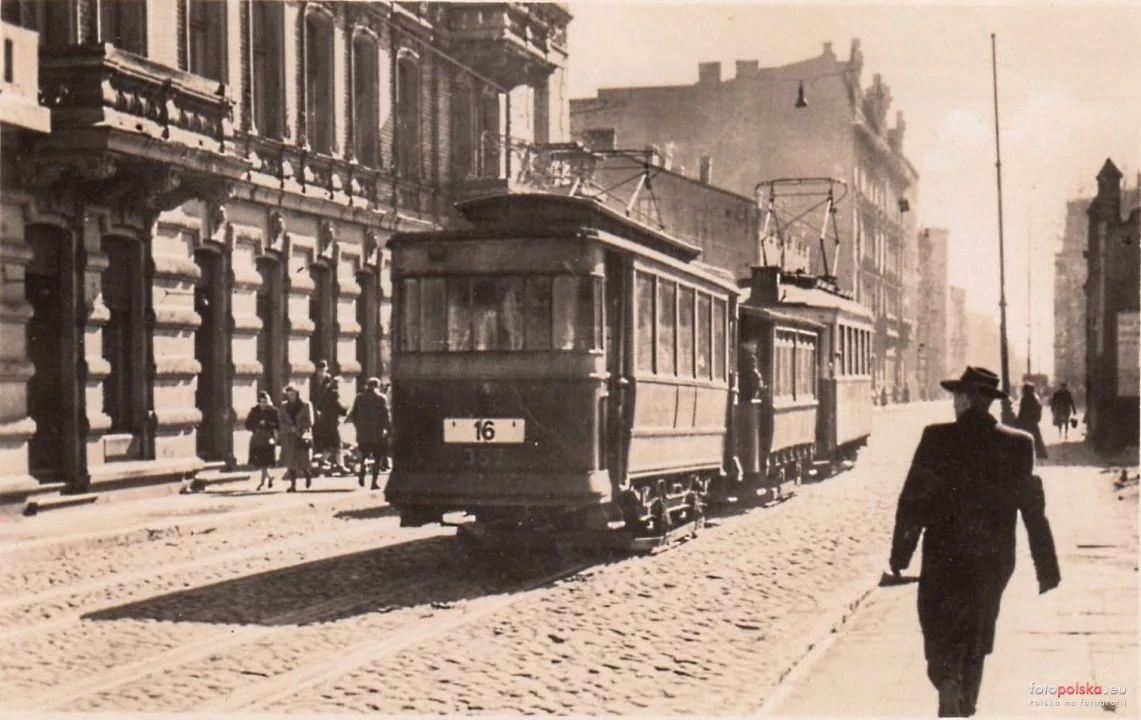
Gradual Development of the Electric Network and Unusual Track Layout
From 1906, extensive construction began on a power station designed for trams. The first depot was located on Tramwajowa Street. In 1901, work began on implementing communication routes connecting the city with nearby agglomerations, such as Zgierz and Pabianice. That same year, trams running to these cities were launched. Two additional depots were also built: in Chocianowice and in Radogoszcz. The first tram route concentrated around the center. It began at Plac Kościelny and ran to Plac Reymonta, where Rynek Górny (Upper Market Square) is located. The tracks were laid on a north-south axis. Starting from Plac Wolności, a route was built westward to the complex of municipal cemeteries on Ogrodowa Street. The eastern section was laid on Pomorska Street up to Helenów park. Just a year later, in 1910, two more lines were launched, this time to Aleksandrów and Konstantynów. In Brus (Konstantynów line), tram depots were built, as well as quarters for tram workers. The city was becoming better connected with surrounding towns. Residents complained only about the lack of connection to Dworzec Kaliski (Kaliski Railway Station), which they finally got in 1912. During World War I, tram traffic was halted and replaced by freight wagons drawn by horses. In 1923, a regulation was issued governing the rules of traffic, according to which vehicles were to keep to the right side. The year 1928 was a turning point for communication in Łódź. It was then that the Kolej Elektryczna Łódzka (Łódź Electric Railway) decided to open a tram depot located in Dąbrowa. This was due to a larger amount of equipment and staff, whose numbers then amounted to 1,400 people. It was decided to add more tram lines, and the Konstantynów line was extended to Lutomiersk. After World War II, the network was handed over to MPK (Miejskie Przedsiębiorstwo Komunikacyjne w Łodzi / Łódź Municipal Transport Company). A characteristic feature of tram tracks in Łódź is their narrow gauge, which is only 1,000 millimeters – a similar value today occurs only in Toruń, Elbląg, Grudziądz, and Bydgoszcz.
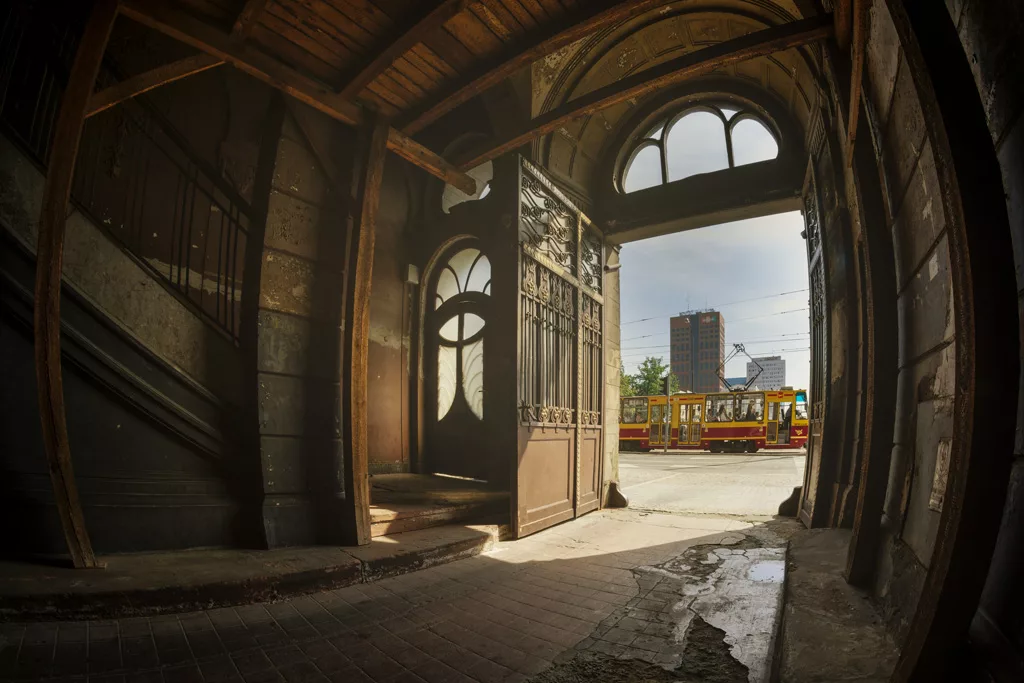
Interesting Facts
The creation and functioning of tram lines is also associated with many unknown facts. From the beginning, the development of the electric network was carefully planned. Right from the start, appropriate marking was ensured in the form of plaques, on which the coat of arms of Łódź, the tram number, and the route direction were displayed.
During World War II, when Łódź was under German occupation, the visual appearance of the plaques was changed. The typical yellow Łódź boat was replaced by a swastika symbol. Germanization also affected electrical companies, which were given German names: Litzmannstädter Elektrische Strassenbahn and Litzmannstädter Elektrische Zufuhrbahnen. Modern motor cars were intended exclusively for Germans. During World War II, Jewish workers were used for heavy work on the expansion of the electric network. Many of them died from exhaustion. Efficient communication also served the transport of raw materials and products from Radegast station, which was a transshipment point.
Currently, Łódź has the Museum of Urban Transport, where one can admire preserved collections and archival photographs. Additionally, within the institution functions the Club of Lovers of Historic Trams in Łódź. As part of its operations, tourist excursions are organized using heritage vehicles.
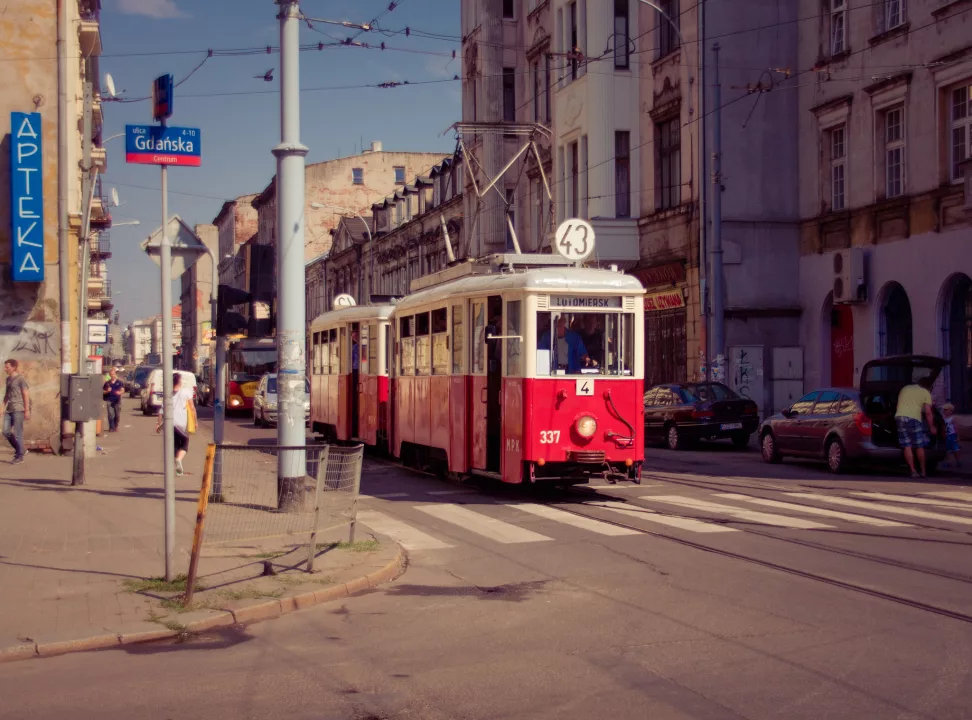


Be the first! Add a comment.
You need to log in to add a comment.
Log in