
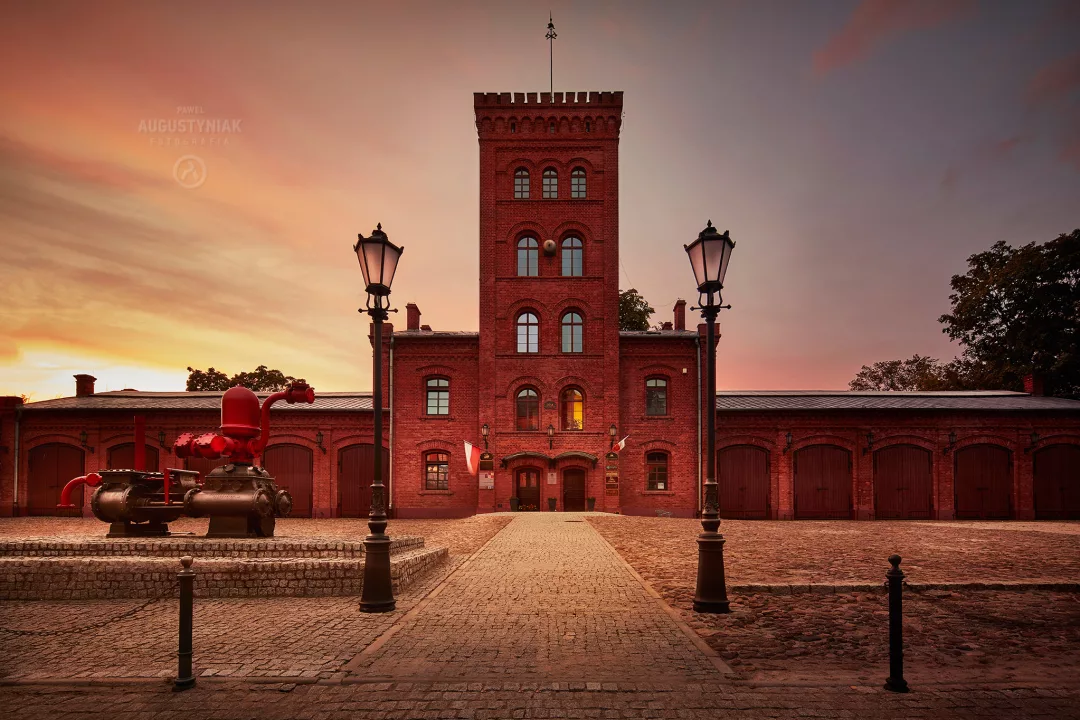
Łódź legends offer an opportunity to gain interesting and valuable information about the origins of Łódź. One of the famous legends worth presenting is the story of infernal machines.
The Cotton King at Księży Młyn
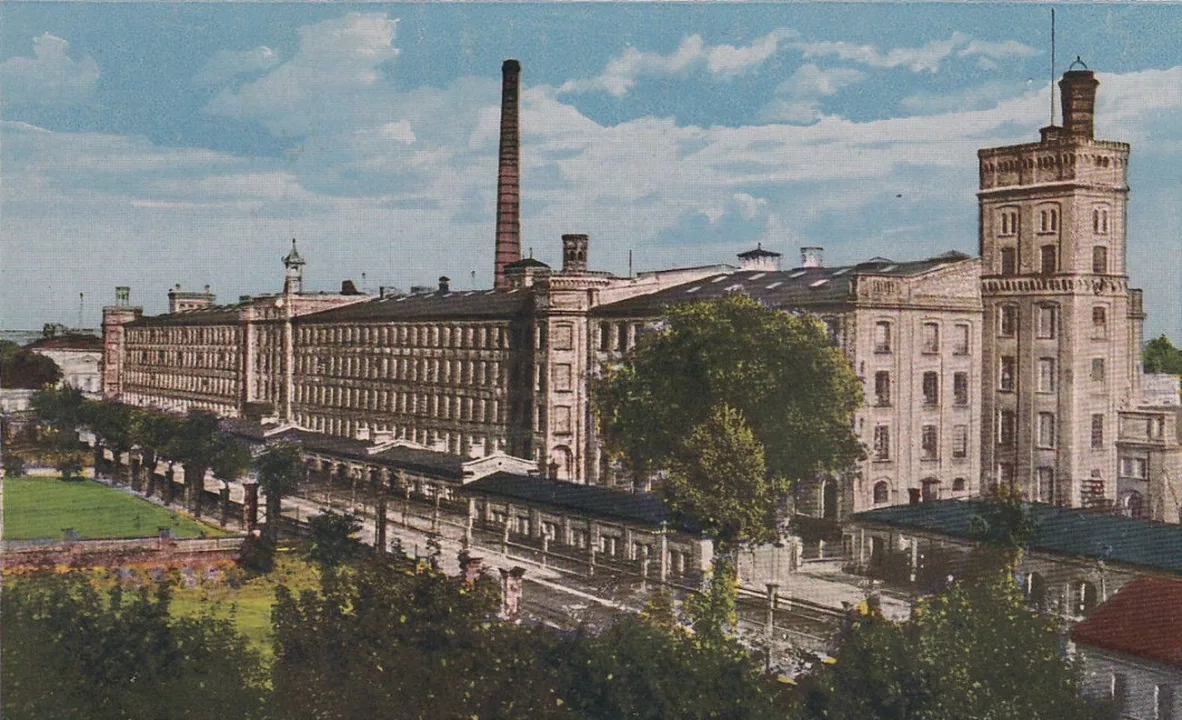
Łódź's Scheibler was the cotton king at Księży Młyn (the Monks' Mill). Once, Węsad – the cousin of Boruta's devil – came to see him. Upon arriving in Łódź, he was surprised by sights he did not expect: smoky air and littered streets. He was not interested in honest work and persistently sought employment with the aforementioned cotton king. This is where the story began, one that for many years caused residents and others to believe that the machines from the Łódź factory were diabolical.
The devil was very pleased with the factory, but shortly thereafter the workers began to suspect that the cotton king had made a pact with the devil. Strikes began because ordinary workers felt threatened. It seemed to them that their work was no longer needed by anyone. Everyone wanted to drive the devil from the factory and each time they entered, beside the machines they saw a small, black figure that spoke in a completely incomprehensible language. To fight this stubborn demon, they used sacred images and church banners. All equipment was demolished, except for the steam engine, which during an attempt to destroy it erupted in such a way that the factory nearly suffered complete destruction.
Ultimately, the workers fled the factory in terror from the situation and their unsuccessful battle with the devil, and he continued to take away everyone's jobs. All the strike participants were also punished by Russian authorities. Łódź factories permanently housed steam-powered machines used in textile production, but it took many years before the belief in the diabolical origin of the machines finally gave way to this present legend.
Beliefs Based on the Legend
The above events took place in the 1860s. Factories were rife with poverty and it was difficult for people to believe that such a well-equipped mechanical mill and plans for launching further ones were the success of the cotton king – alone with his former business. Small manufacturers, workers laid off from factories without prospects, workers hungry not only physically but also metaphorically – for work and opportunity – felt deceived, and from this grew the conviction that the cotton king, although he had also invested his wife's dowry in mechanization, had made a deal with the devil himself. Other factories, following this event, also introduced steam engines, and the differences between the countryside and the city, as people spoke of factories and that work and surroundings – the smells of hell – became the foundation of the legend known to this day.



Be the first! Add a comment.
You need to log in to add a comment.
Log in