
Łowicz is one of the most popular destinations for day trips from Łódź; visitors come here for folklore, processions and colourful striped skirts. Few people look here for traces of another history: that of the Jewish community, which before the war made up a third of the town's residents and vanished within less than a year of occupation.
A town where every third resident was Jewish
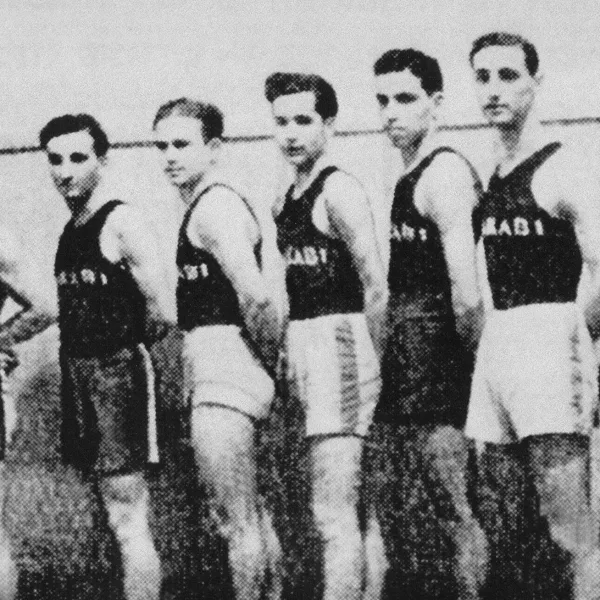
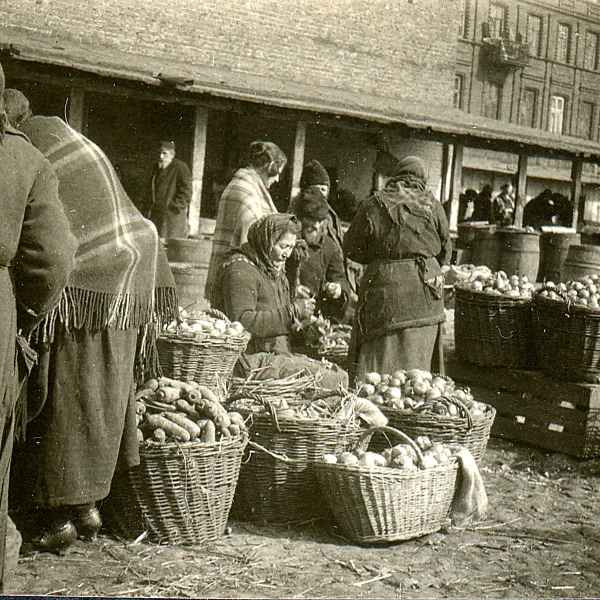
Before the outbreak of the war, around 4,500 Jews lived in Łowicz, or about 30 percent of all the town's residents. The Jewish community had a long history here, its own religious institutions, and a clear place in the town's economy; as in many other small towns of the Łódź region, it was closely woven into the everyday life of Łowicz.
A ghetto built from the rubble of a synagogue
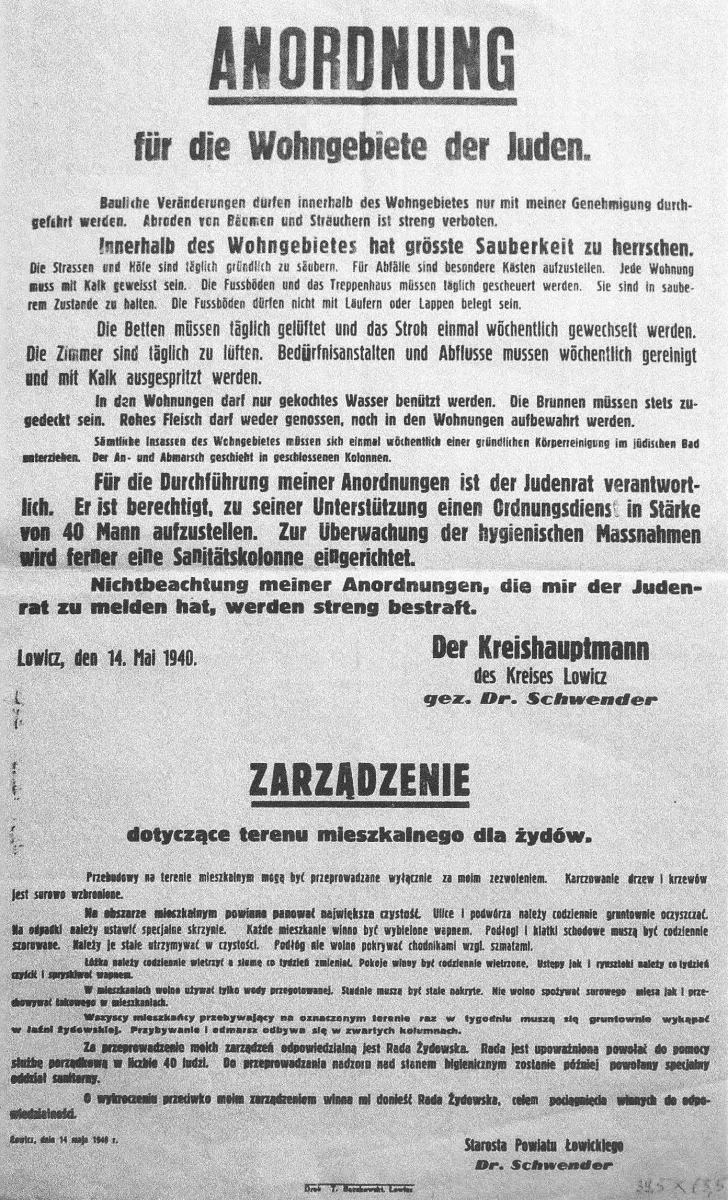
The ghetto in Łowicz was established in May 1940, and its final boundaries were drawn that autumn. The area was first secured provisionally with barbed wire, then with a brick wall built from materials taken from the demolished neo-Gothic synagogue, a building that had previously been one of the town's most important Jewish places of worship. It is a detail that says much about the occupier's methods: a place of worship literally became the building material for a prison for the community that had used it.
By August 1940, more than 8,000 people were already crowded into the ghetto. Besides Jews from Łowicz, it also held Jewish residents from Aleksandrów Łódzki, Konstantynów Łódzki, Zgierz, Stryków and Łódź; the Łowicz ghetto became, in practice, a collection point for the entire surrounding area, badly overcrowded and lacking any conditions for a normal life.
Liquidation less than a year after it was set up
The liquidation of the ghetto began in February 1941 and was completed in March of that year; most of its residents were deported to the Warsaw ghetto. A small group of around 150 craftsmen, who worked in workshops for the occupier's needs, remained behind. These workshops were finally shut down in October 1941, and the people working in them were also transported to Warsaw. From its establishment to its complete liquidation, the ghetto in Łowicz therefore existed for less than a year and a half.
The Memorial Room of the Jews of Łowicz
Since 2008, the Museum in Łowicz, located by the Old Market Square, has housed a permanent exhibition devoted to the history of the town's Jewish community: the Memorial Room of the Jews of Łowicz (Izba Pamięci Żydów Łowickich). It is one of the few places in the region where this history is told systematically, with actual exhibits and documents, rather than just a commemorative plaque.
In practice: how to plan a visit
The Museum in Łowicz is open daily, though its hours change depending on the season, longer in the summer months, shorter in winter with a closing day during the week, so it is worth checking the current schedule before setting off. A ticket for the Memorial Room exhibition alone costs a symbolic amount, and combined tickets covering the museum's other exhibitions and the nearby open-air ethnographic museum are also available; it is best to check prices directly before a visit, as they can change.
Half an hour is enough for the Memorial Room itself, but it is worth combining the visit with a tour of the rest of the museum and a walk around the Old Market Square and the ruins of the Primate's Castle, all within a few minutes' walk.
From Łódź, Łowicz can be reached by regional train in under an hour, which makes this route a convenient day trip.
A wider context on the Jewish history of the Łódź region can be found in the Łódź Wielu Kultur (Łódź of Many Cultures) series and in the Poznaj Łódź (Discover Łódź) section, including the article on the Reicher Synagogue, the only synagogue in Łódź to survive the war.
Be the first! Add a comment.
You need to log in to add a comment.
Log in