
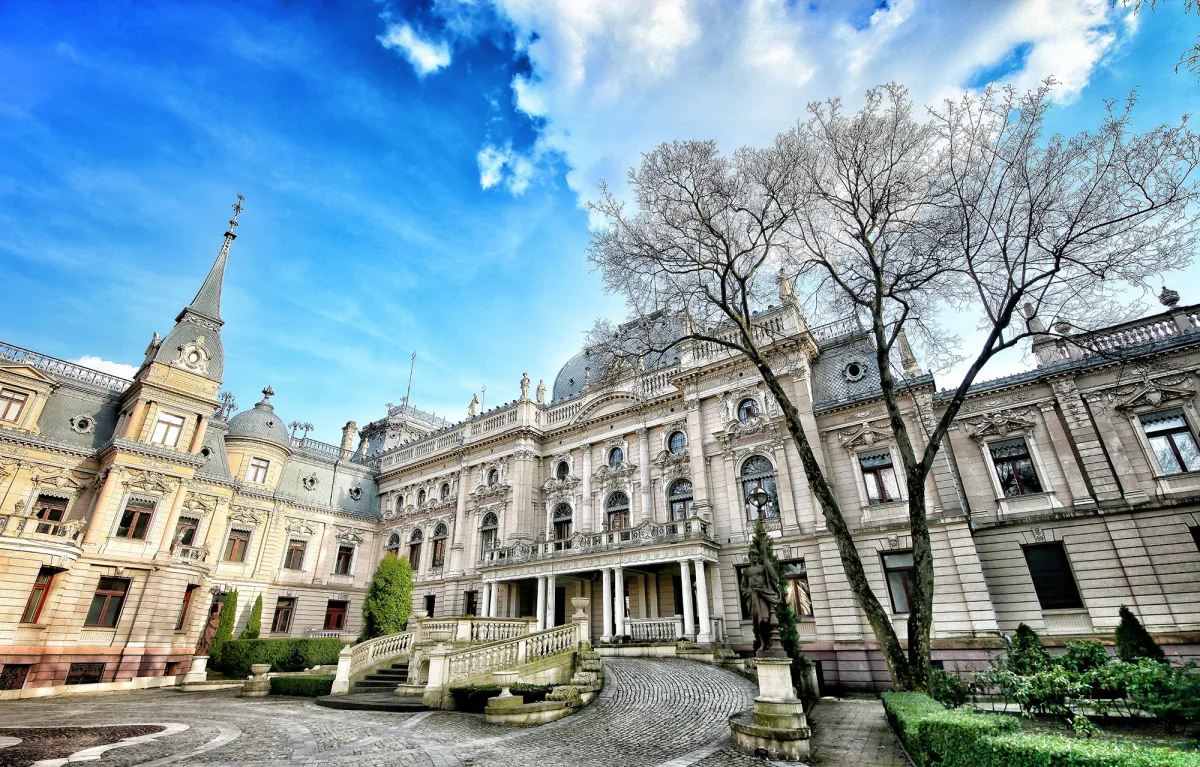
Yitzhak Katzenelson was born in 1886 in Karelichy near Navahrudak, but it was Łódź that became the city where he spent two decades of his adult life, as a teacher, school director, theatre director and poet. Only after fleeing the city in 1939, already in Warsaw and under the shadow of the Holocaust, did he write the work for which he is remembered around the world today.
An educator before he became a poet known for the Holocaust
Even before the First World War, Katzenelson, together with Shoshana Feinstein, ran a kindergarten in Łódź, and later a Hebrew elementary school. In time he founded a secular Hebrew gymnasium in the city, which he directed throughout the interwar period. His educational work was closely tied to the movement to revive Hebrew as a living, everyday language, a movement that was gaining growing importance at the time among Zionist-oriented Jewish youth in Central Europe.
A founder of modern Hebrew drama
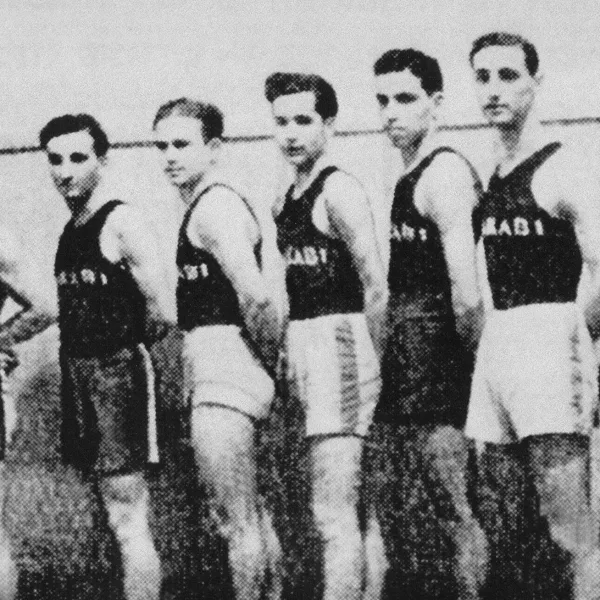
From 1928, together with Yitzhak Lew, Katzenelson ran the Habima Drama Studio in Łódź, a Hebrew-language stage where he pursued his own creative ambitions as a playwright. He is regarded as one of the co-creators of modern Hebrew drama; among his stage works is the dramatic poem Ha-Navi (The Prophet) from 1922. This theatrical, Łódź chapter of his biography is today often overshadowed by his later, tragic wartime writing, even though it was in Łódź that Katzenelson developed as a man of the theatre.
Flight to Warsaw and the loss of his family
After the outbreak of the war in September 1939, Katzenelson fled Łódź with his family to Warsaw. It was there, in the Warsaw ghetto, that he lost his wife and two sons. In the Warsaw ghetto he also worked with the Oneg Shabbat organisation, which ran an underground archive documenting the life and destruction of the Warsaw ghetto, known today as the Ringelblum Archive.
The Song of the Murdered Jewish People
Between 1943 and 1944, having already lost his family and held in the Vittel transit camp in France, Katzenelson wrote his most important work, The Song of the Murdered Jewish People, one of the most important literary records of the Holocaust written during the war itself, not after it ended. He hid the manuscript in a glass bottle buried under a tree on the camp grounds; it was found only after the war. Katzenelson himself was killed in the gas chamber at Auschwitz in May 1944, living to see neither the camp's liberation nor the publication of his work.
An honest look at the proportions of this biography
It is worth stating plainly: although Katzenelson spent more than twenty years in Łódź, and it was here that he developed as an educator and man of the theatre, his most important and widely known work was written outside the city, in the entirely different, tragic circumstances of the Warsaw ghetto and the camp at Vittel. The Łódź chapter of his biography is significant and well documented, but it is the Warsaw and wartime chapter of his life that determined the place he holds today in literary history.
Where to look for traces of his Łódź years
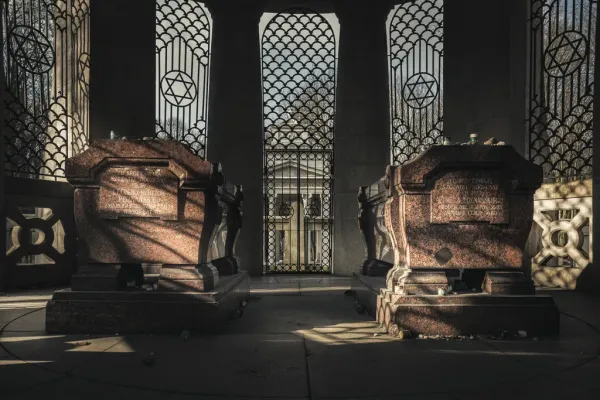
Łódź has no separate memorial site devoted solely to Katzenelson today, but the context of his educational and theatrical work is well complemented by a visit to the Museum of the City of Łódź, which holds material on the city's pre-war cultural life, and a walk through the Jewish cemetery on Zagajnikowa Street, one of the largest Jewish necropolises in Europe. More about the Jewish culture of pre-war Łódź can be found in the Poznaj Łódź (Discover Łódź) section.
Be the first! Add a comment.
You need to log in to add a comment.
Log in