
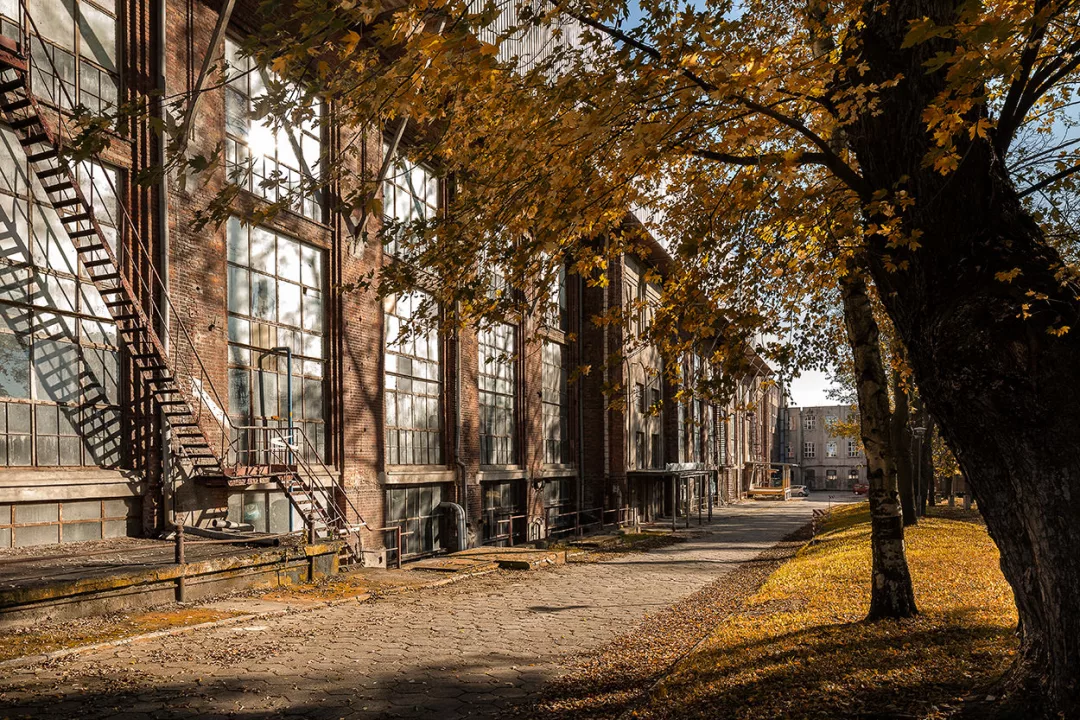
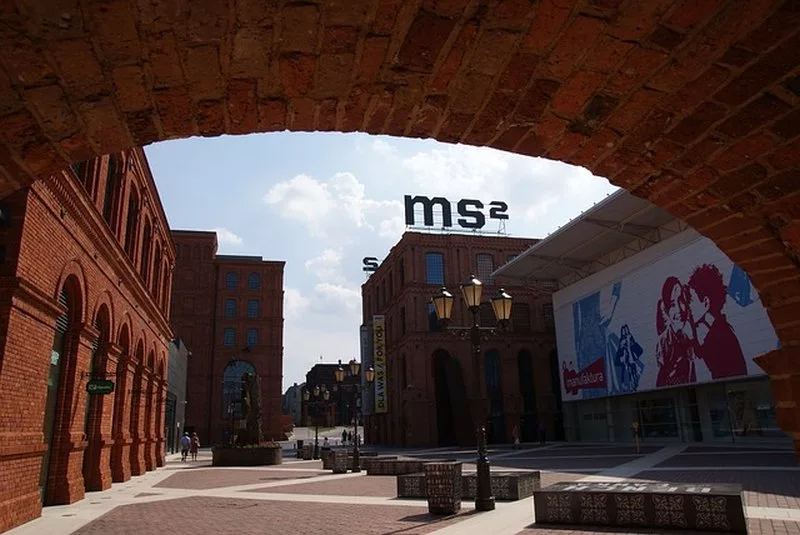
Łódź Manufaktura – this term is unequivocally associated with the shopping and entertainment center on ul. Ogrodowa. It turns out, however, that there are more manufactories in Łódź, and not only in the city center. Wi-Ma, or Widzewska Manufaktura, is slowly coming back to life after years of neglect.
History of Widzewska Manufaktura
In the 1880s, Juliusz Kunitzer arrived in the village of Widzew (at the time Widzew was not yet part of Łódź). The entrepreneur was looking for land to build a textile factory. It turned out he hit the jackpot. The proximity of Szosa Rokicińska, the Fabryczno-Łódzka railway line, and the presence of the Jasień river convinced Kunitzer to undertake the investment. Construction began in 1879, and just a year later, the following were already completed: a spinning mill, weaving mill, gas plant, dye works, bleachery, and some farm buildings. Juliusz Kunitzer entered into an agreement with Juliusz Heinzel, who became his partner. Thanks to this, the complex grew even more, many new machines were purchased, and the value of the entire manufactory was not much less than Geyer's factories. In the 1890s, the complex was further expanded on adjacent land. The factory received the proud name "Heinzel and Kunitzer" and significantly influenced not only the lives of the villagers but also its rapid development and transformation into an industrial settlement that was at the same time on the outskirts of Łódź. However, this was not the end of Kunitz's imperial plans – he entered a partnership that began construction of the Łódź Thread Factory ("Niciarnia"), and a residential colony grew around the factory. By 1910, Widzew entrepreneurs employed almost 7,000 workers.
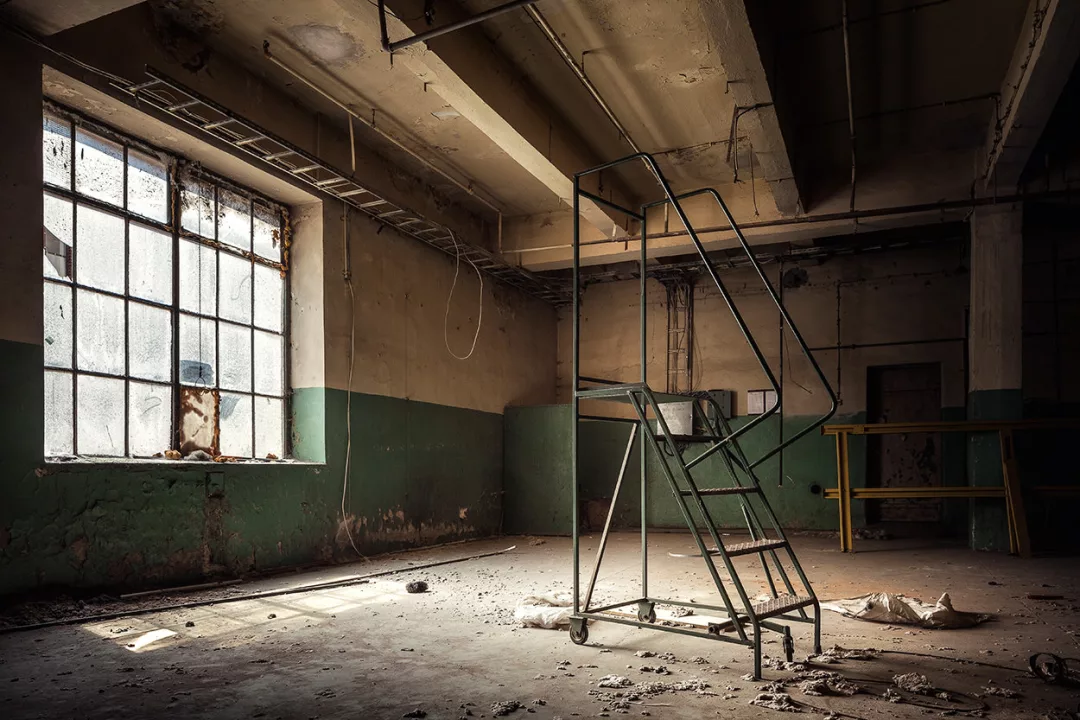
After Kunitzer's death in 1905 (he was shot by assassins), the history of the cotton complex was varied. At some point, part of the company's shares even went to Italian investors. Nevertheless, in the 1920s, the enterprise still operated quite smoothly, the product range was expanded, and necessary changes were introduced. In the second half of the 1920s, the complex officially took the name Widzewska Manufaktura. During World War II, Wi-Ma fell into German hands and became part of H. Goering's concern. After the war, in 1949, the factory was divided into three parts; one of them, already in 1992 (referring to the Widzew Cotton Industry Works "1 Maja"), returned to its historical name – that is, Widzewska Manufaktura. Interestingly, cotton production at Wi-Ma ended only in 2009, when further cotton manufacturing became unprofitable. Widzewska Manufaktura was the last operating cotton spinning mill in Poland.
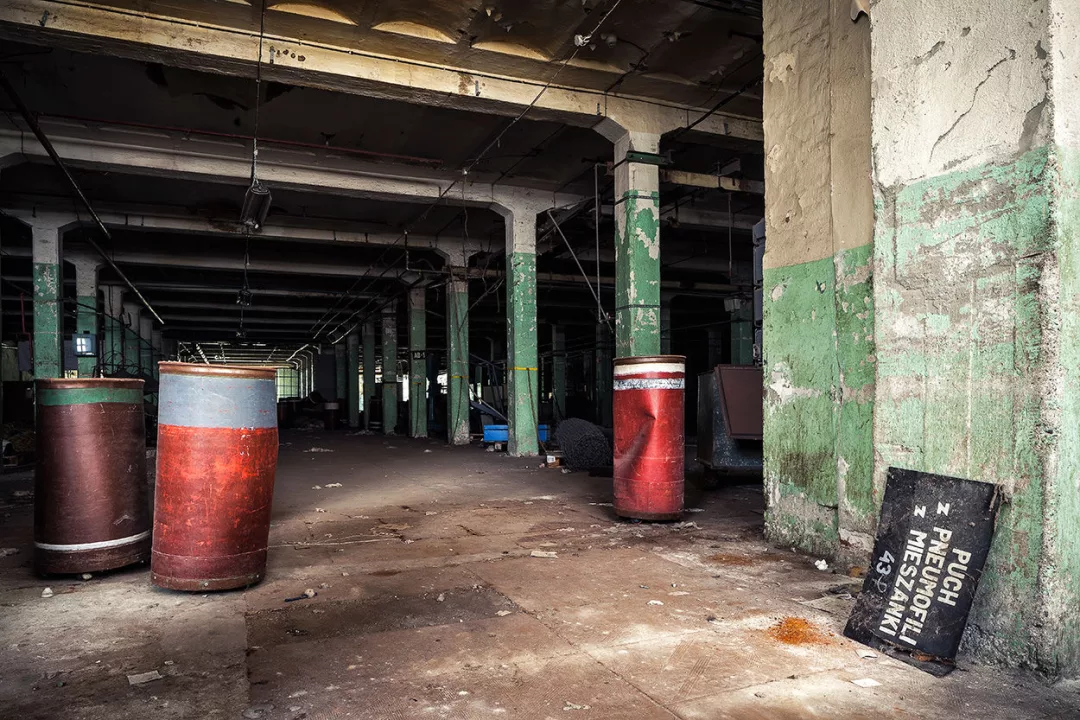
What's happening at Wi-Ma today?
Widzewska Manufaktura, located at al. Piłsudskiego 135, is coming back to life after years. 60,000 square meters of space is being developed anew; Wi-Ma is today a new cultural center. Artists can rent premises here and set up their studios. There are also service outlets, such as Alfa Laser Game, where you can participate in exciting games. Photography, design, and graphics firms have their headquarters at Wi-Ma, as well as a soap workshop and music incubator. Concerts, workshops, and theatrical performances also take place on the complex grounds.
Be the first! Add a comment.
You need to log in to add a comment.
Log in