
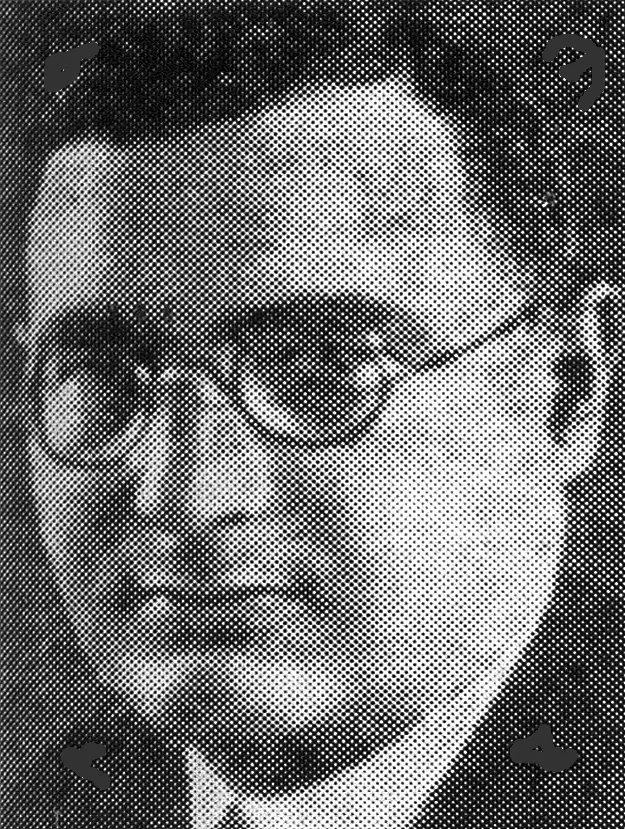
Interwar Łódź was not only a city of factories, but also a city of newspapers - in the 1920s and 1930s, 43 press titles were published here, serving the city's multilingual, multicultural community. A significant part of this press was published in Yiddish and Hebrew, addressed to one of the largest Jewish communities in Poland, which at the time made up nearly a third of the city's residents.
Lodzsher Togblat - the oldest Yiddish daily outside Warsaw
The most important title of Łódź's Jewish press was "Lodzsher Togblat" - a daily published in Yiddish from 1908 to 1936, considered the oldest Yiddish daily in Poland outside Warsaw. Over nearly three decades of existence, the newspaper covered the everyday, economic and cultural life of Łódź's Jewish community, becoming one of the pillars of local public opinion in that part of the city.
Hajnt and Najer Fołksblat
Alongside Lodzsher Togblat, other Yiddish titles were also published in Łódź, including "Najer Fołksblat" and a local edition of the nationwide daily "Hajnt", one of the most important Jewish press titles in the whole of Poland at the time. The presence of as many as several competing dailies in a single city shows how large and politically and socially diverse the press market of Łódź's Jewish community was in the interwar period - from Zionist titles to more local, middle-class ones.
The world's first Yiddish chess newspaper
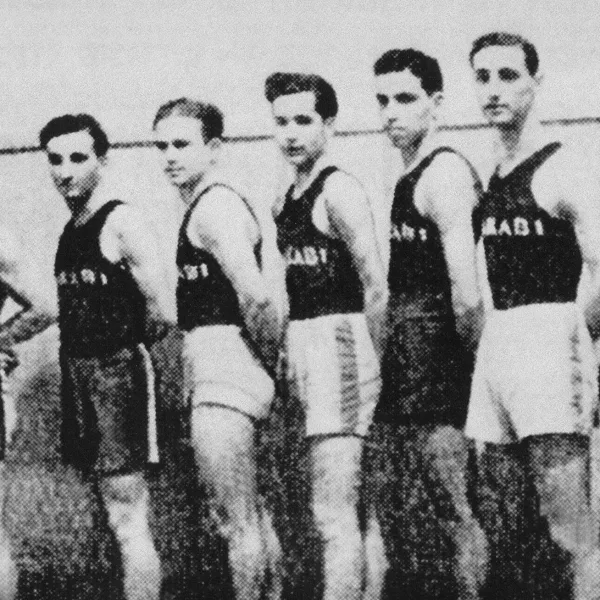
The most surprising fact connected with the Jewish press of Łódź is that it was here that the world's first Yiddish-language magazine devoted exclusively to chess was published - "Erszte Judisze Szach-Cajtung". Alongside it appeared "Erszte Judisze Sport-Cajtung", the first Yiddish magazine covering sporting events more broadly. Both titles have been the subject of academic research published, among other places, in the journal "Studia Judaica" - confirming that Łódź played a pioneering role not only in general-interest press, but also in specialized sports press in the Yiddish language, in this respect outpacing far larger centres of Jewish press culture in Europe.
Why Łódź, specifically
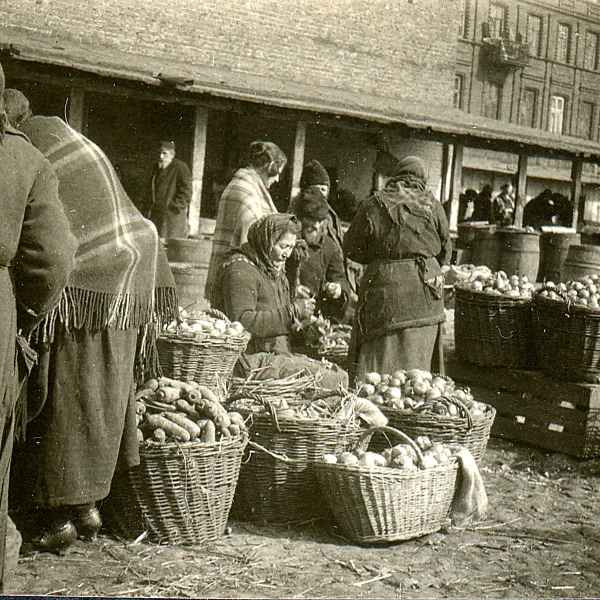
The development of such a rich press market in Łódź was no accident - the city was one of the largest centres of Jewish population in Poland, with a developed economic, political and cultural life that needed its own local channels of information. The Yiddish press played a role in this community similar to the one Polish-language press played among the city's Polish population - it informed, shaped opinion, and united the community around a shared language and shared topics.
What remains from that era
The outbreak of war and the creation of the Litzmannstadt Ghetto marked the end of free Jewish press in the city. Today, copies of prewar titles, including Lodzsher Togblat, are held mainly in archives and digital libraries, accessible to researchers and anyone interested in press history. The context of that era is well complemented by a visit to the Museum of the City of Łódź, where materials on the cultural life of the prewar city are presented, and by a walk along the former streets of Łódź, where the editorial offices and printing houses of Jewish newspapers once stood.
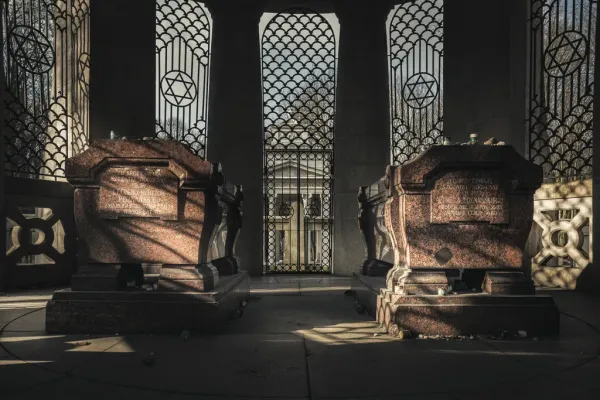
Many journalists and publishers connected with the prewar Jewish press now rest at the Jewish cemetery on Zagajnikowa street - it is worth treating a walk through it as a complement to this history, though without a specific list of names, which could not be conclusively confirmed.
More on the Jewish history of the city can be found in the Poznaj Łódź section, and on the surviving historic sites connected with this community in the historic sites category.
Be the first! Add a comment.
You need to log in to add a comment.
Log in