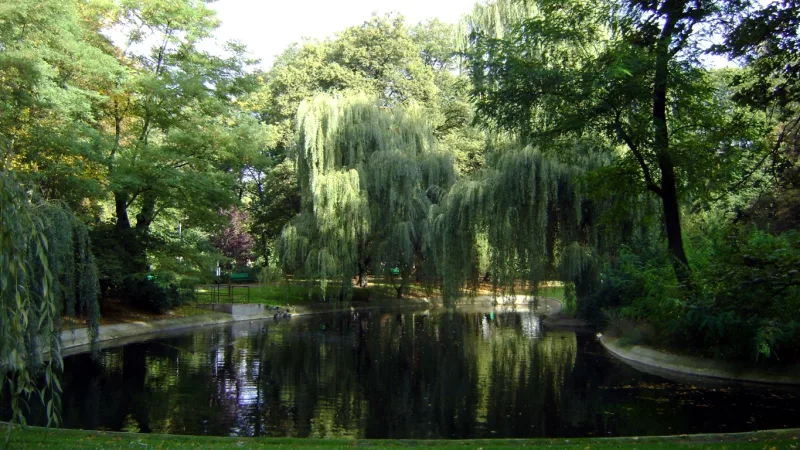
Łódź's fourth public park, opened in 1901, with a protected Japanese maple by the pond
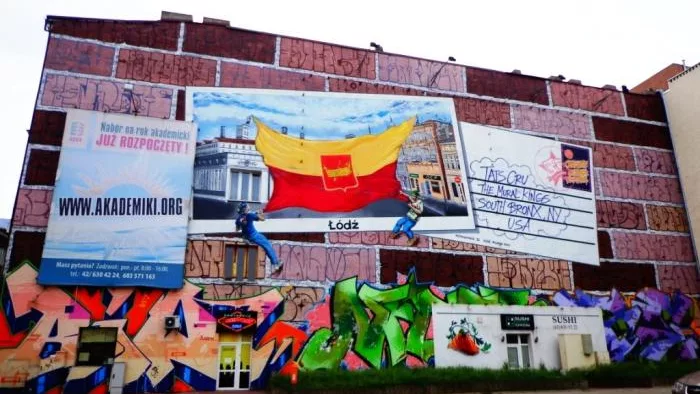
a TATS CRU mural from the 2010 Outline Colour Festival, nearly 800 square metres with figures holding the Łódź flag
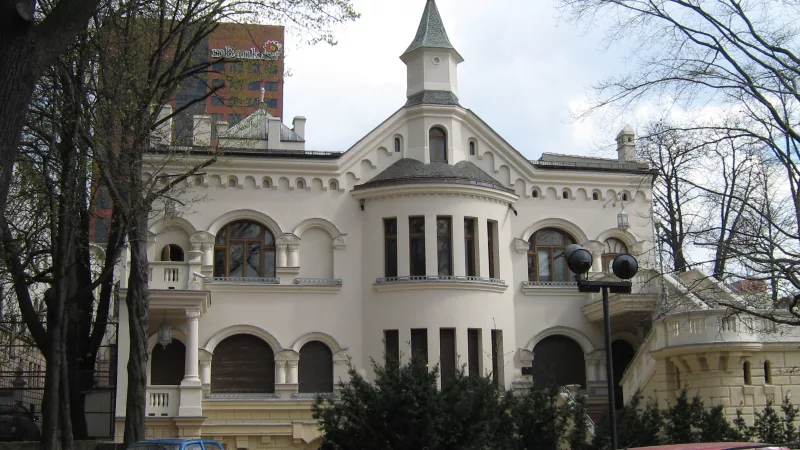
an eclectic villa from 1923-1925 by a Viennese architect, now a residents' service centre
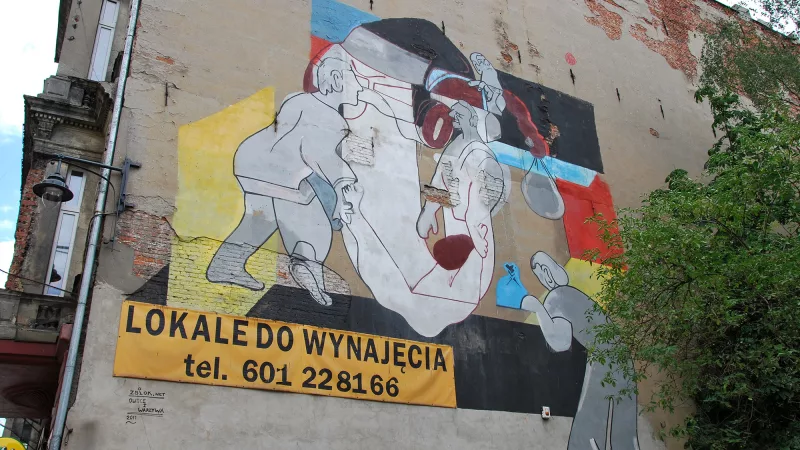
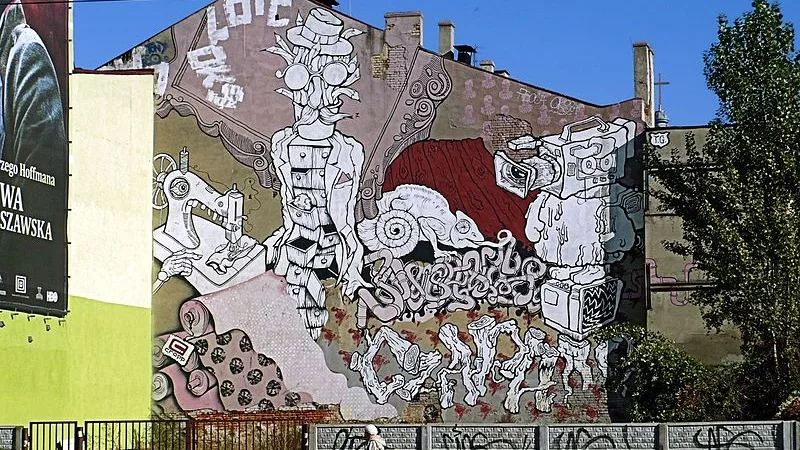
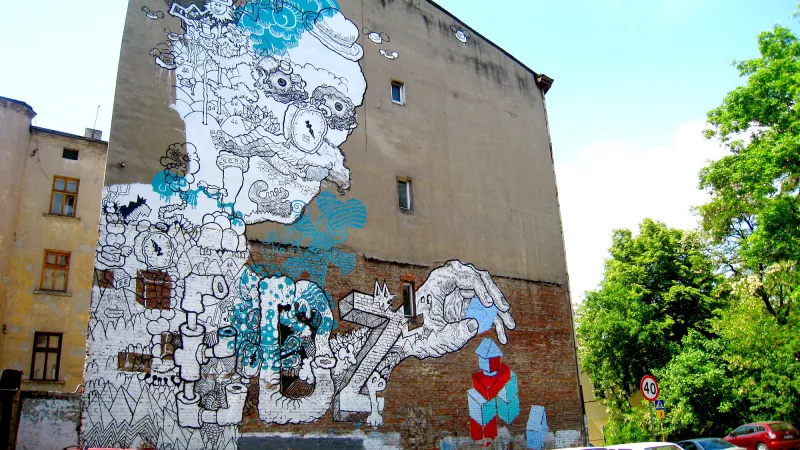
a ZBIOK mural on Traugutta street, deformed comic-style figures critiquing social stratification
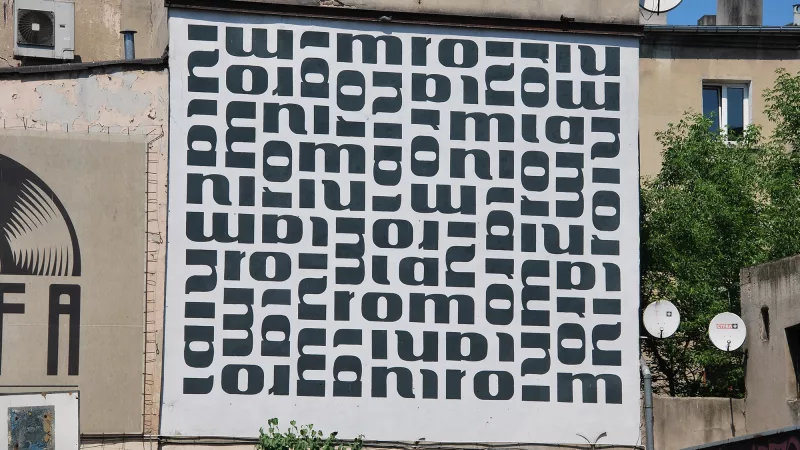
a mural on Rewolucji 1905 r. street, a typographic design by Samuel Szczekacz from the pre-war avant-garde
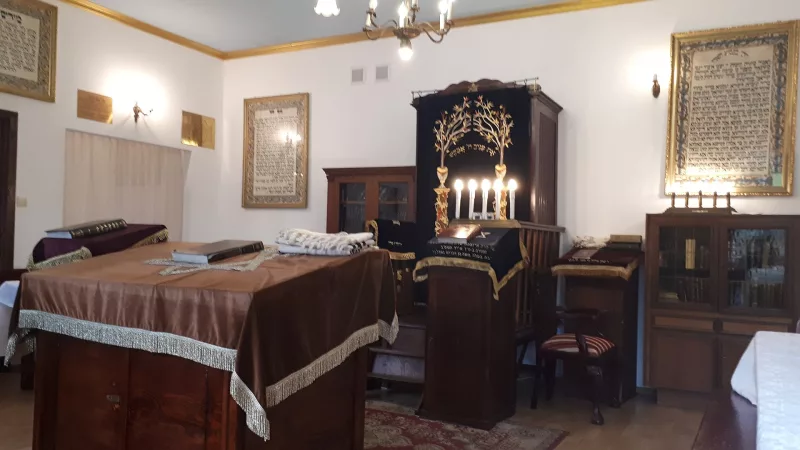
one of Łódź's two active synagogues, set up in 1998 inside the Jewish community's headquarters
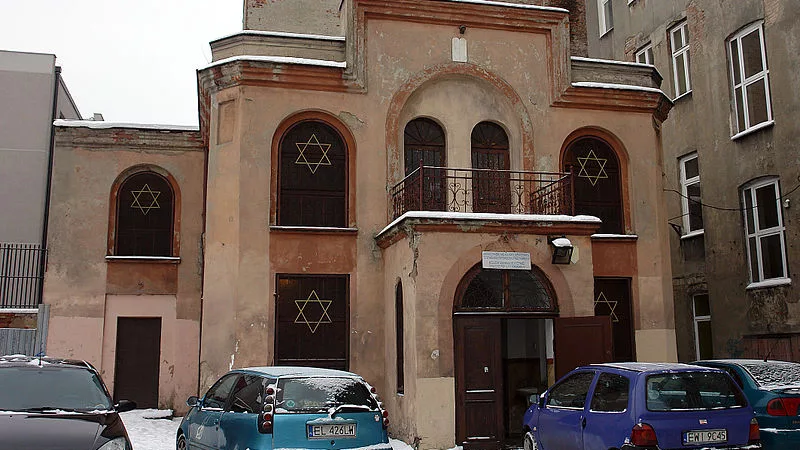
the only prewar Łódź synagogue that survived the occupation through a sham sale
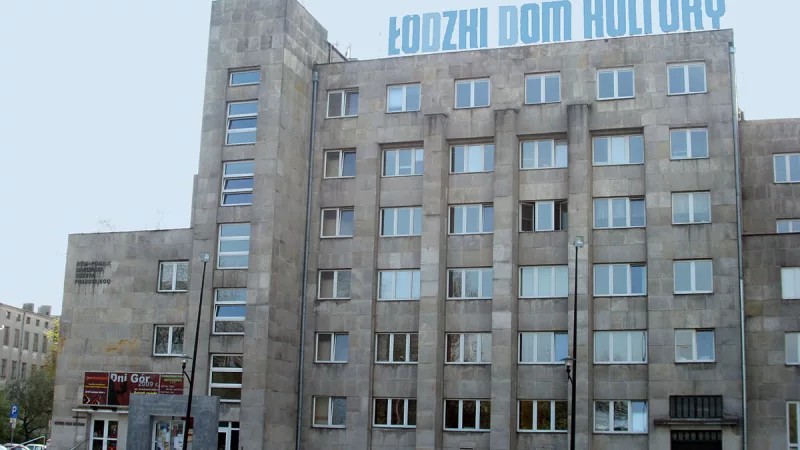
a cultural institution since 1953, its historic Traugutta street home under renovation since 2017, running elsewhere meanwhile
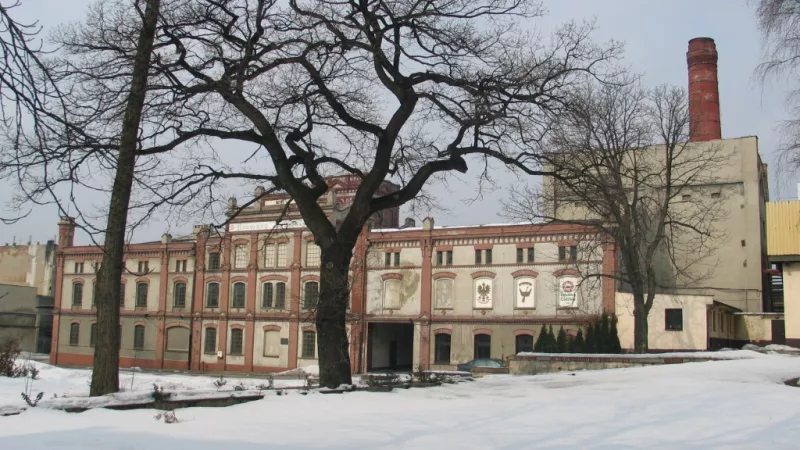
an 1867 neo-Gothic steam brewery complex, one of Łódź's first modern breweries, still operating
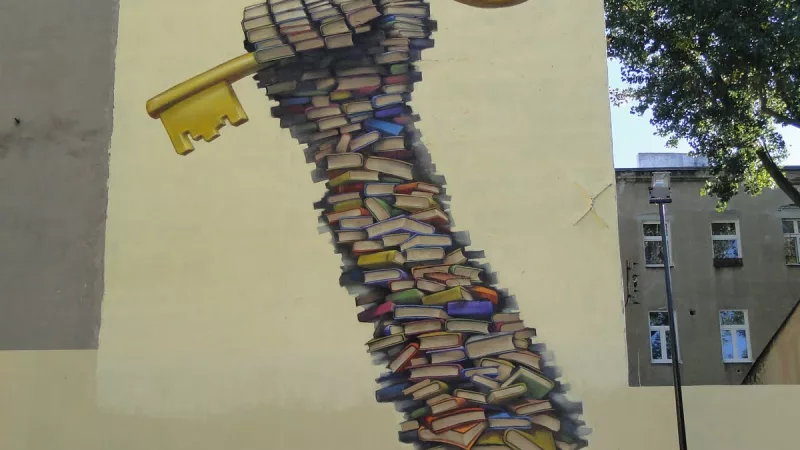
„Knowledge is the Key” by BARYS on the Faculty of Economics and Sociology wall, echoing the building's purpose
the tenement stands on the site of the weaving settlement's first tavern, from 1827
an 1864 eclectic tenement, it hosted Reymont in 1897 gathering material for his novel
an 1898-1899 trading house with an Art Nouveau facade mural uncovered in 1996
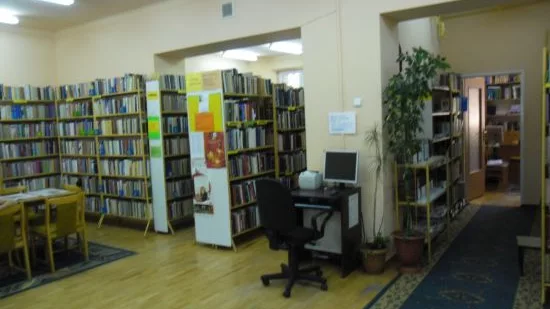
the DYGRESJA library has operated here since 1958, with a Scandinavian look and sofas instead of chairs since 2019
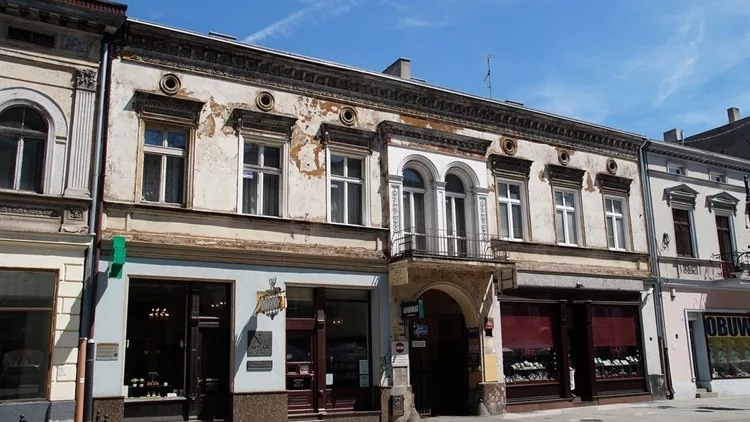
an 1860s eclectic tenement, the Sachs family made paints, glues and matches under it
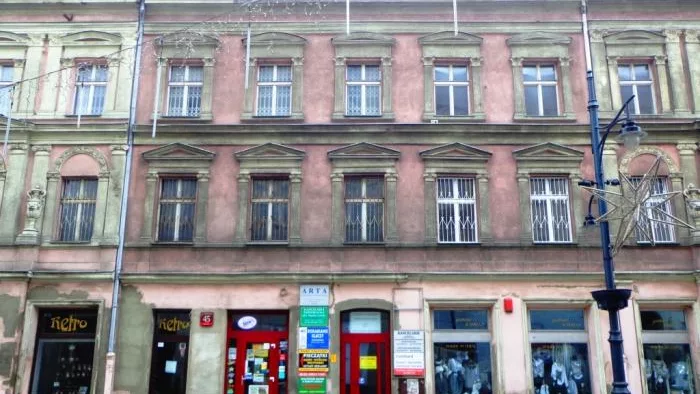
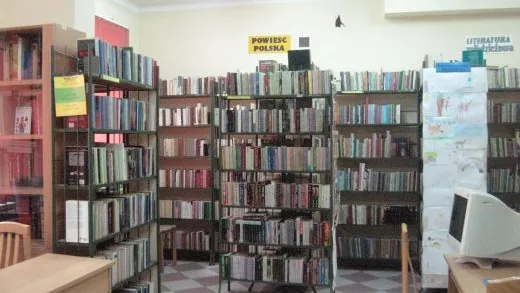
the RETRO library has run continuously since 1965, with a PRL-style makeover after a 2023 renovation
a GREGOR mural on Zachodnia street, a figurative composition in his signature hyper-detailed, saturated style
an Urban Forms mural on Jaracza street downtown, right next to the Grand Theatre
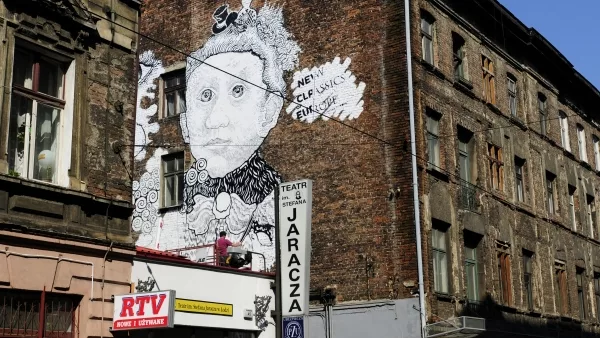
a mural by duo KIRK and GREGOR by the Jaracz Theatre, shaped like a theatrical stage
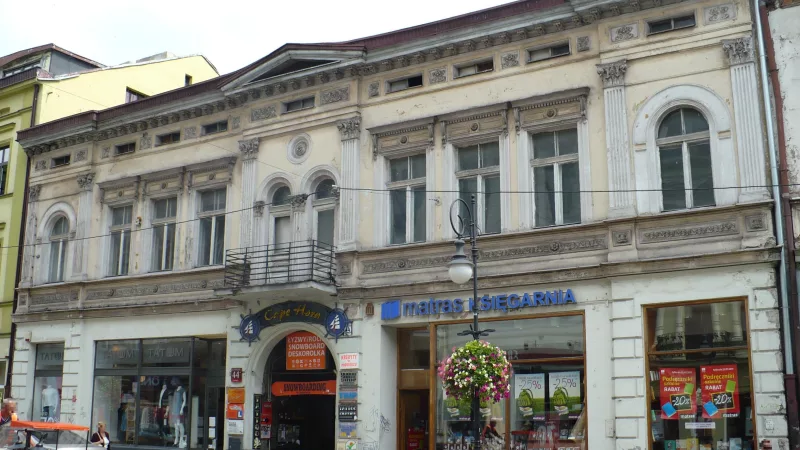
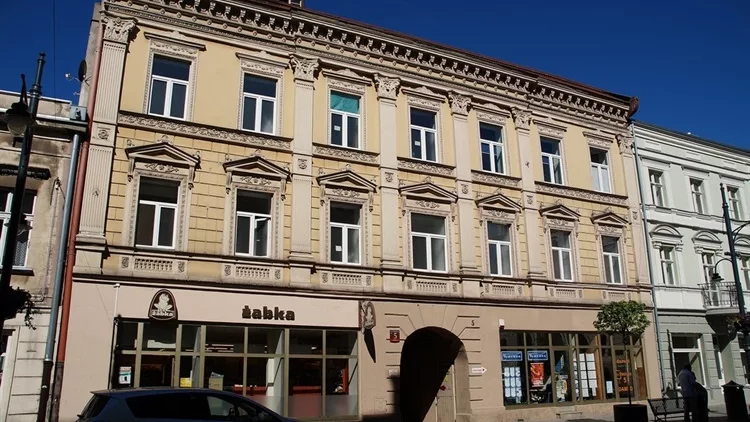
an eclectic facade blending Renaissance, Baroque and Empire styles, near plac Wolności
an 1893 tenement, right by it stands the popular Miś Uszatek bear statue
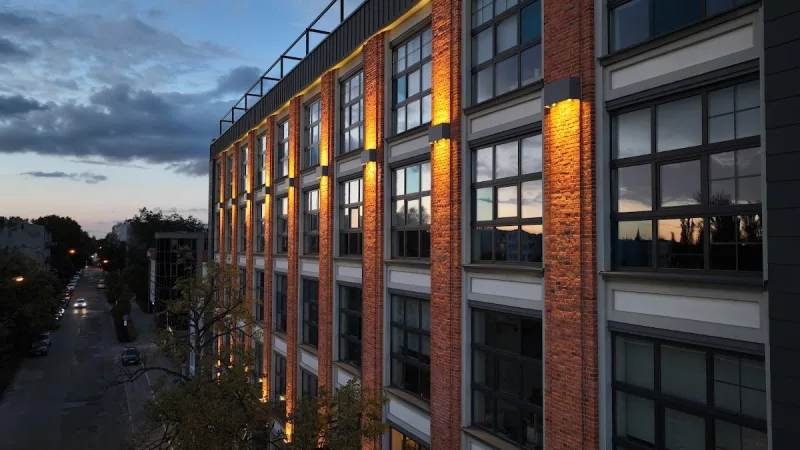
an office building in the Goldberg brothers' 1922 weaving mill, later home to the Military Printing House
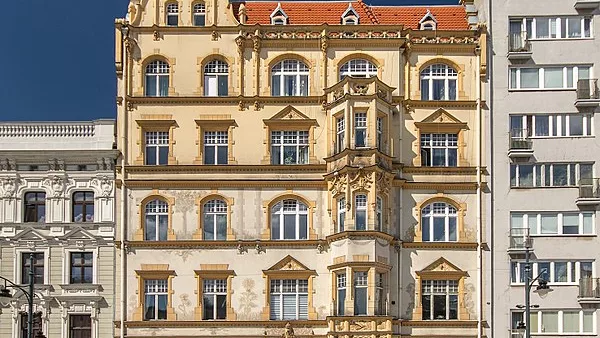
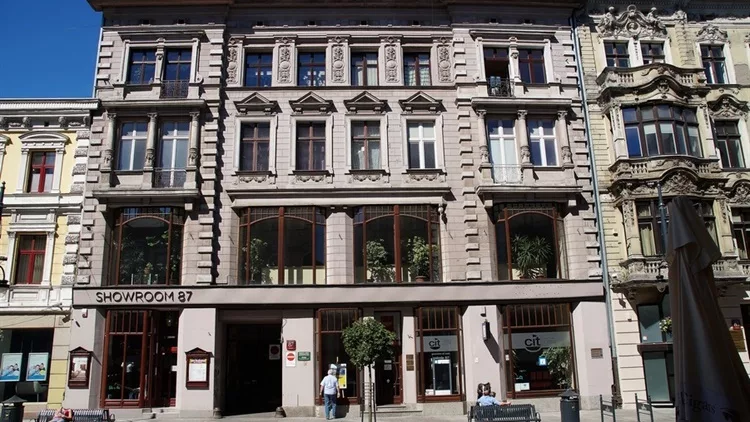
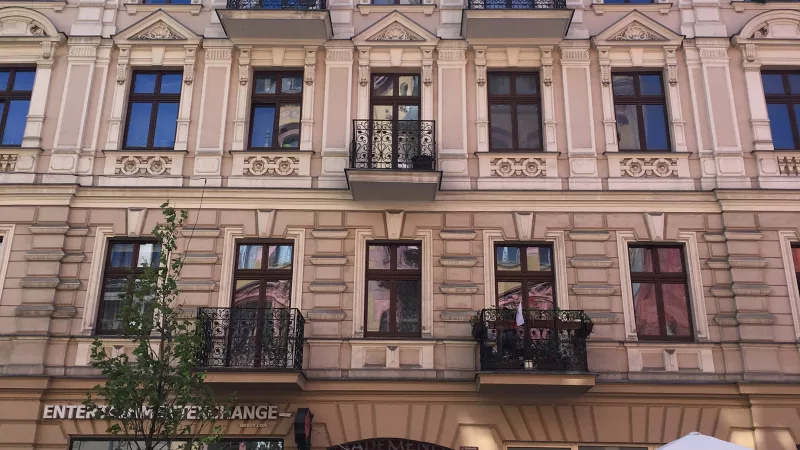
a neo-Renaissance tenement with cast-iron balconies, where resistance fighters seized weapons in 1943