Attractions in Bałuty - what to see in the district
Over 150 places in Łódź's largest district: Manufaktura with its museums, two branches of the Museum of Independence Traditions, 39 murals, Łagiewniki Forest and the Arturówek bathing spot. Listed below by neighbourhood, so you can plan a route without driving across the whole city.
What is worth seeing in Bałuty?
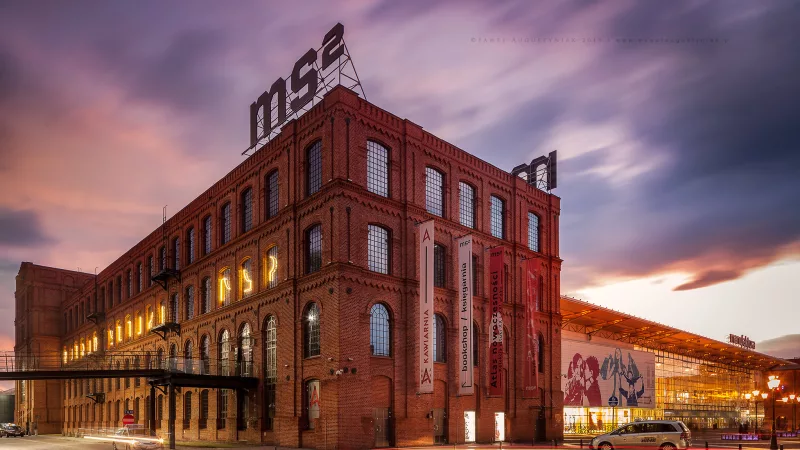
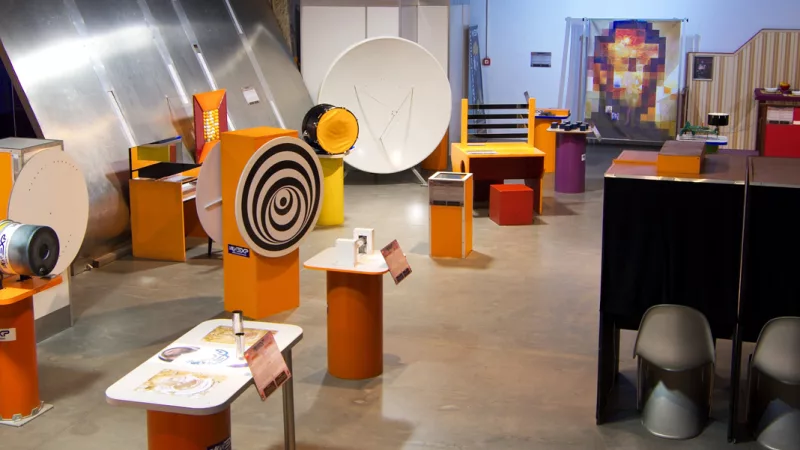
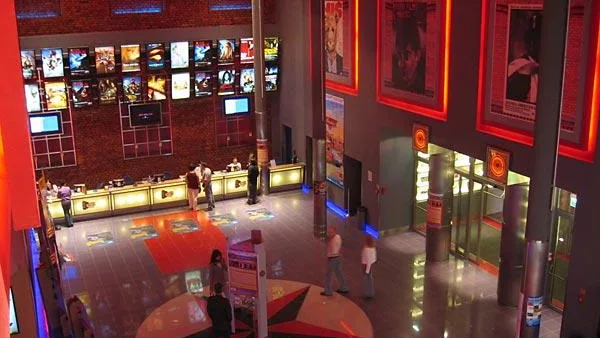
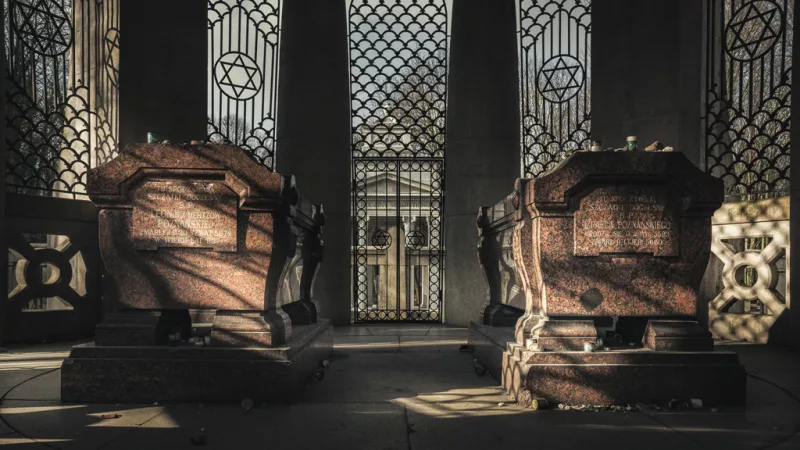
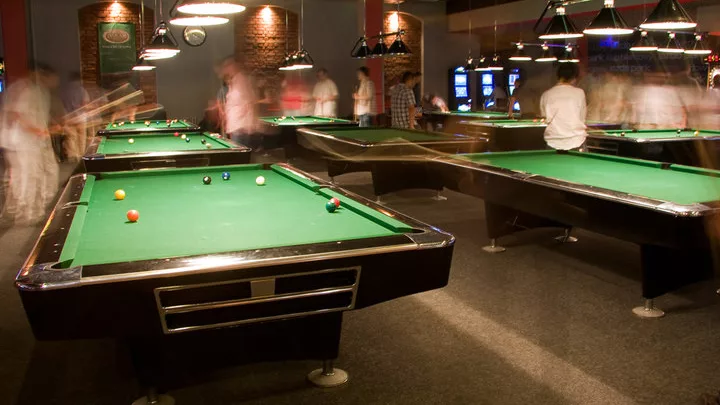
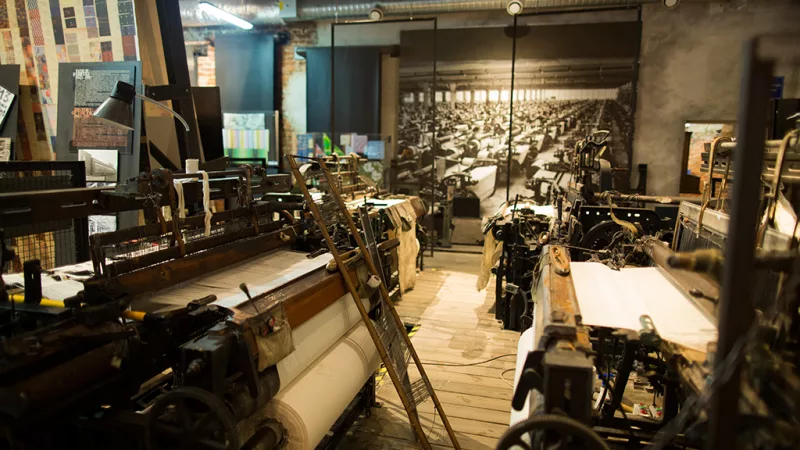
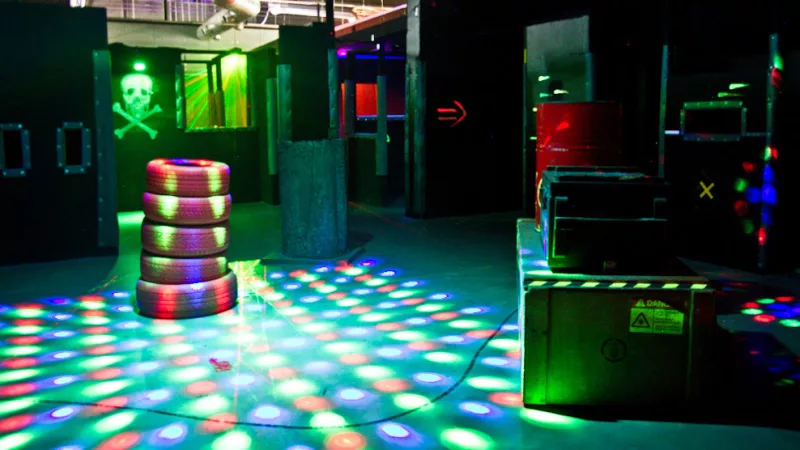
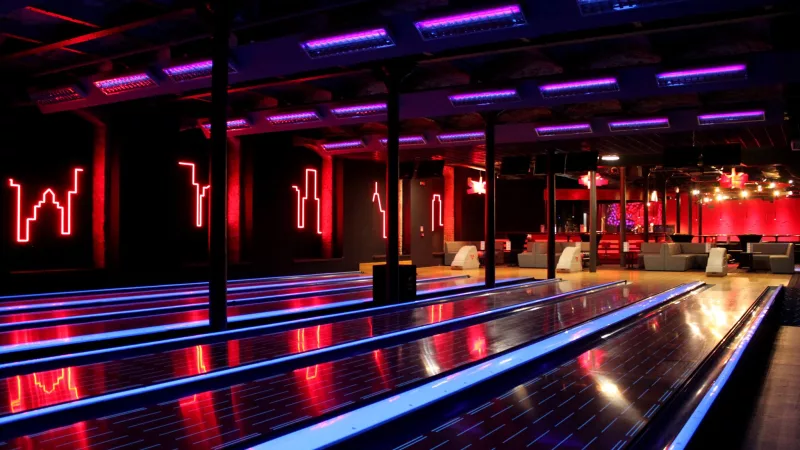
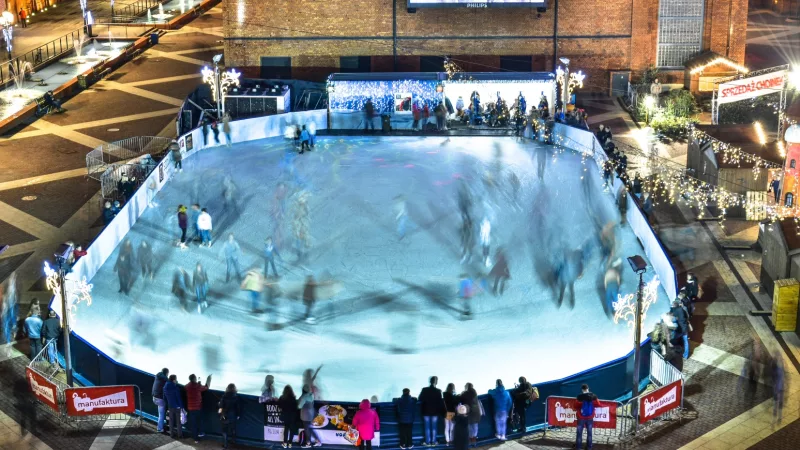
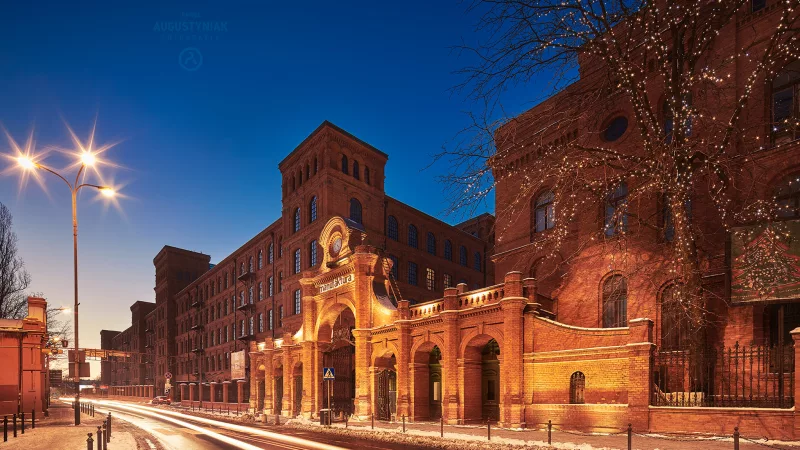
Manufaktura at Drewnowska Street 58 is the former factory of Izrael Poznański, today a complex housing the Factory Museum, the Experymentarium Science Centre, the ms2 Art Museum at Ogrodowa Street 19, an ice rink, the Grakula bowling alley and Arena Laser Games. So on one site you get both sightseeing and entertainment for a rainy Saturday.
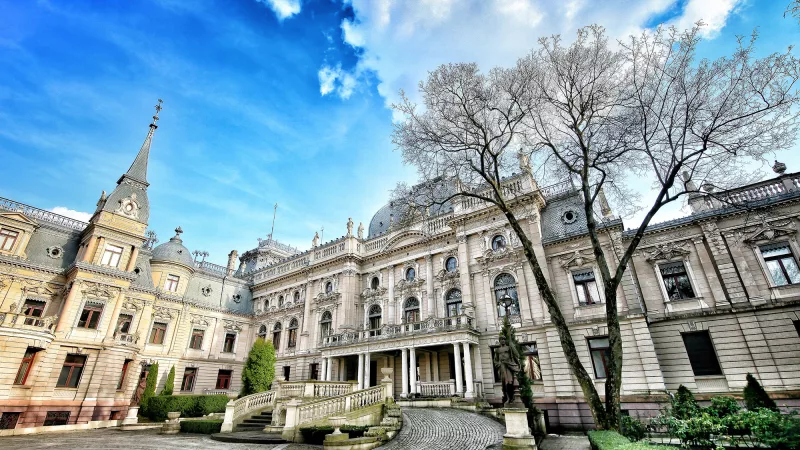
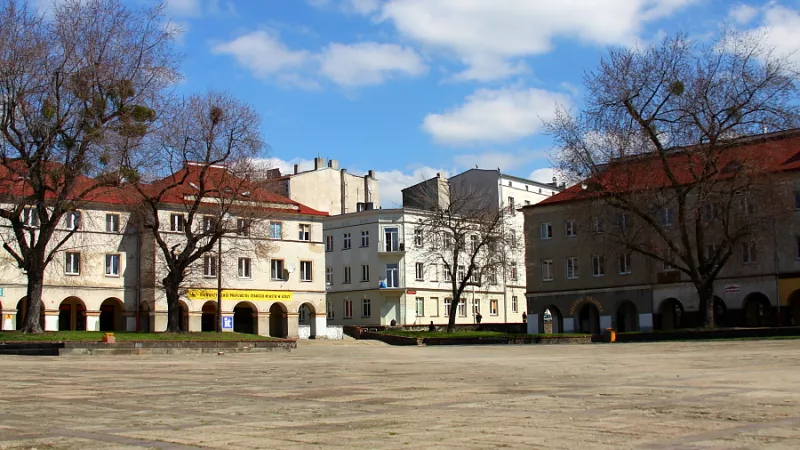
A hundred metres away stands the Poznański Palace (Ogrodowa 15) with the Museum of the City of Łódź, and at Franciszkańska Street 1/5 the Biedermann Palace and the Museum of the University of Łódź. A few minutes' walk away lies the Stary Rynek (Old Market Square), the historic centre of old agricultural Łódź, with the Bałucka Gallery at number 2.
Bałuty and the memory of the Litzmannstadt Ghetto
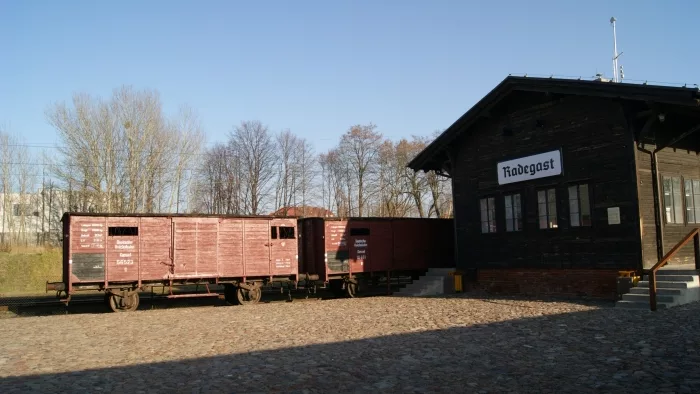
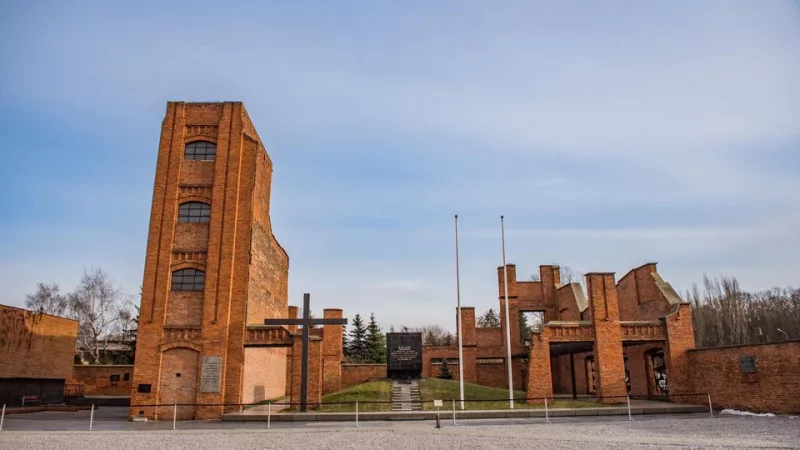
During the occupation, the Litzmannstadt Ghetto, the second largest ghetto in occupied Poland, was sealed off in Bałuty. Two sites remain from it, run by the Museum of Independence Traditions: Radegast Station at al. Pamięci Ofiar Litzmannstadt Getto 12, the platform from which transports departed, and the Radogoszcz Martyrdom Branch at Zgierska Street 147, in a former prison building. Both are listed with their opening hours, and both offer free admission on selected days.
Greenery and water: Łagiewniki, Arturówek, parks
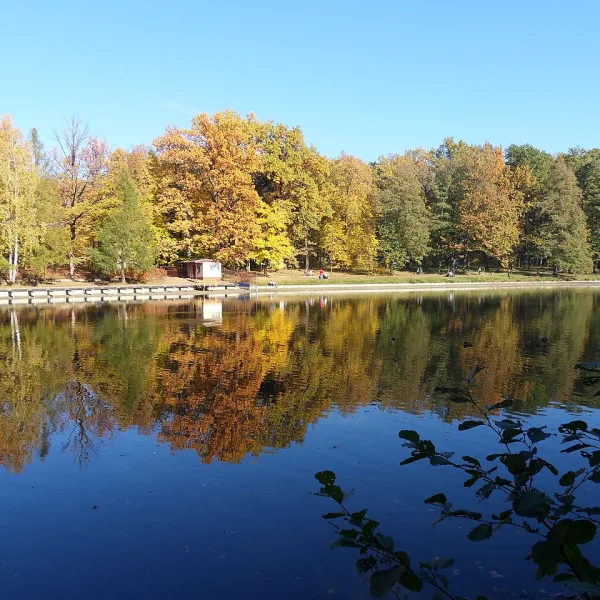
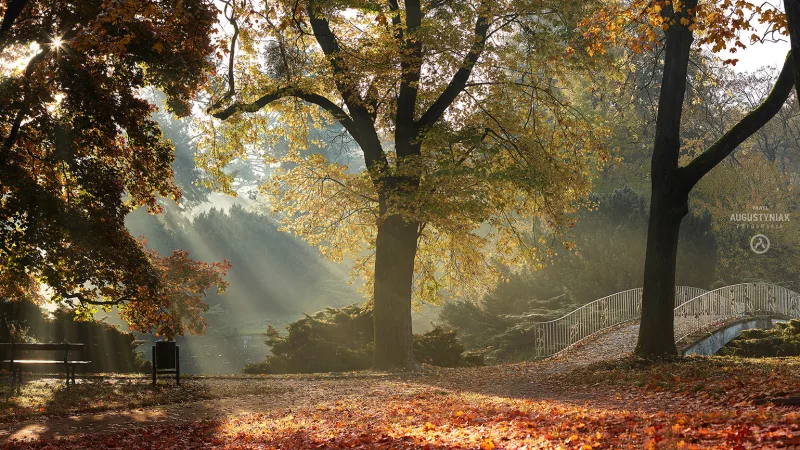
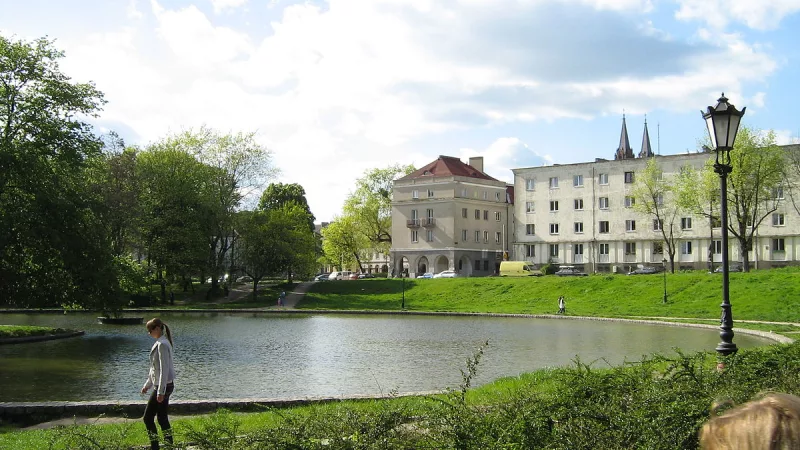
The north of the district is taken up by Łagiewniki Forest, one of the largest forests within the city limits in Europe, home to the Łódź Municipal Forestry Office at Łagiewnicka Street 305 and the Arturówek bathing spot. Closer to the centre are Park im. Szarych Szeregów (Boya-Żeleńskiego 1), Park im. S. Żeromskiego in Teofilów and Park Andrzeja Struga at Sędziowska Street 18. On top of that, two pools: MOSiR Wodny Raj at Wiernej Rzeki Street 2 and the pool at the Andel's hotel on Ogrodowa Street 17.
Which neighbourhoods belong to the district?
The most places are in Doły (62) and Bałuty-Centrum (43), followed by Teofilów and Radogoszcz (13 each), Łagiewniki and Arturówek (6 each), Julianów-Marysin-Rogi (5) and Bałuty Zachodnie (2). Each neighbourhood has its own list - select it in the panel alongside to narrow the results down to a specific area.
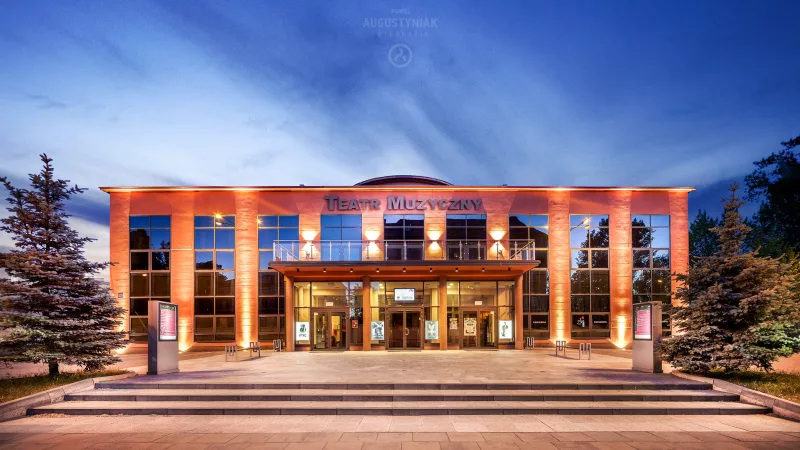
The split makes practical sense: Bałuty-Centrum covers Manufaktura and the area around Stary Rynek, Doły concentrates theatres and stages (Teatr Muzyczny at Północna Street 47/51, Kamil Maćkowiak Theatre at Wojska Polskiego Street 83), while Teofilów and Radogoszcz are residential neighbourhoods with cultural centres and pools.
Where to go in the evening and with children
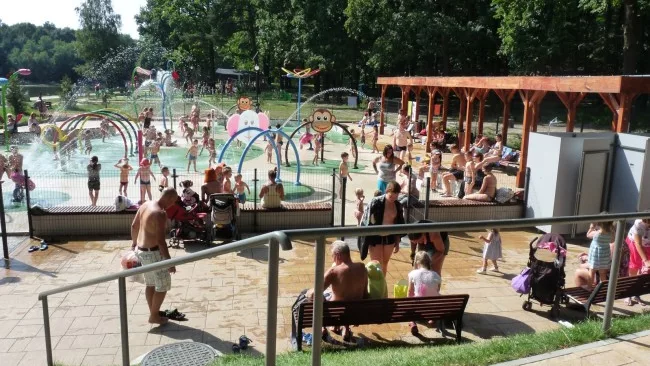
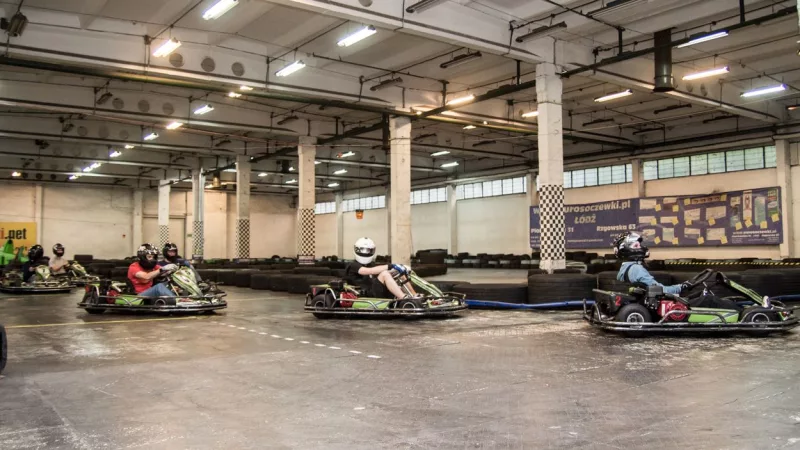
The district's stages include Teatr Mały in Manufaktura and three branches of the Bałuty Cultural Centre: Rondo (Limanowskiego Street 166), Na Żubardzkiej (Żubardzka Street 3) and Lutnia (Łanowa Street 14). Good choices with children include Fiku Miku in Radogoszcz (Świtezianki Street 16), the ice rink and Experymentarium in Manufaktura, and Gokart Arena at Smugowa Street 19.
Frequently asked questions
How many attractions are there in Bałuty? Over 150, of which around ninety have listed opening hours. The largest group is murals (39), followed by cultural institutions (21) and churches (18).
What to see in Bałuty in one day? Manufaktura with one museum, a walk to Stary Rynek and the Poznański Palace, and in the afternoon Łagiewniki Forest. Everything lies along a north-south axis along Zgierska Street.
Are there places with free admission? Yes, around seventy sites carry the "free" tag: parks, murals, Stary Rynek, cemeteries and squares. The ms2 Art Museum has free Fridays.
How do you get there from the centre? Trams run along Zgierska Street towards Radogoszcz and Łagiewniki; Manufaktura is a fifteen-minute walk from Piotrkowska Street.
The rest of the districts can be found on the attractions in Łódź page, every place at once on the map, and what is happening in the city in the coming days in the events calendar.

 Entertainment
Open