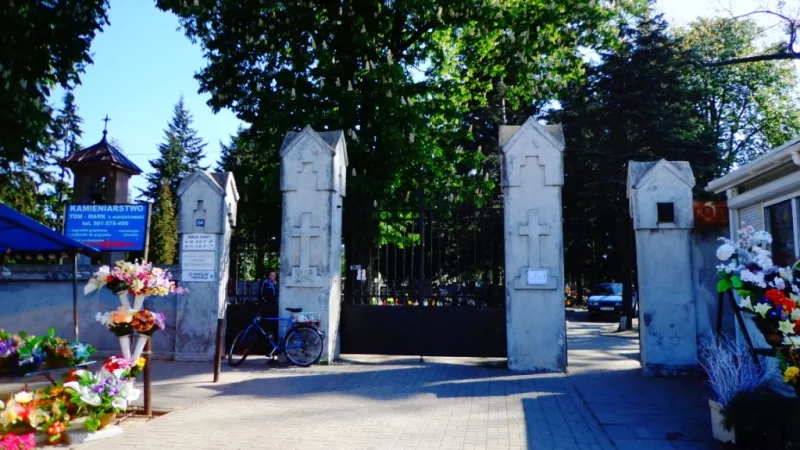
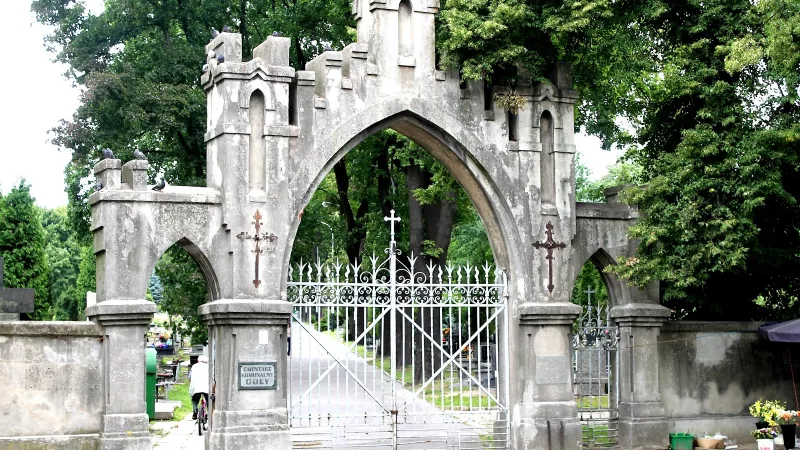
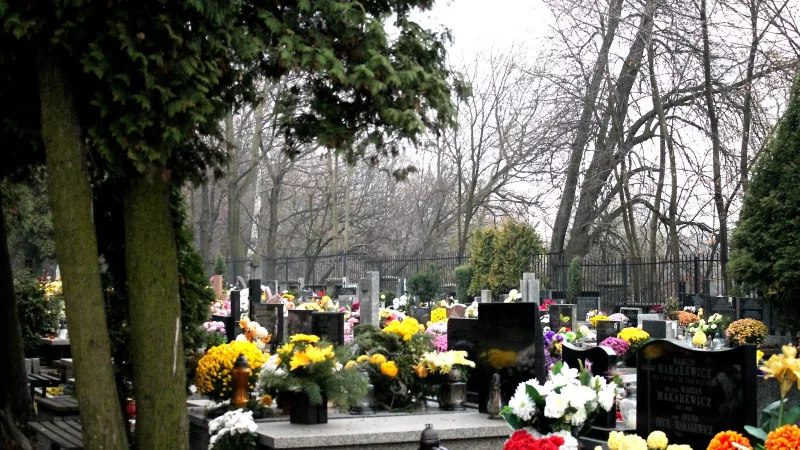
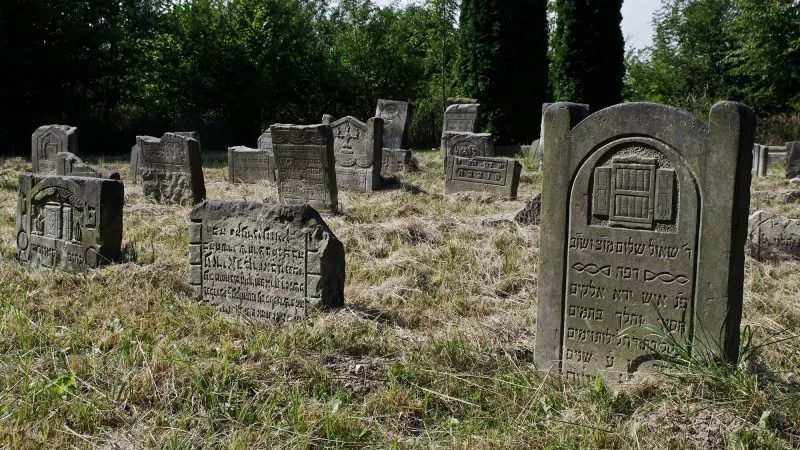
Cemeteries and monuments in the Łódź region make up two different trips in one theme. Most of the historic necropolises and monuments are found in Łódź - a large, historic necropolis on Ogrodowa Street and the biggest Jewish cemetery in Poland, plus bronze figures of fairy-tale heroes and factory owners on Piotrkowska Street - but similar memorial sites also exist in Wieluń, Radomsko, Zgierz, Sieradz and Opoczno. Below are specific places with addresses and what you will see there.
Which cemeteries and monuments in the Łódź region matter most?
The largest cluster of historic necropolises and monuments in the region is in Łódź, but similar memorial sites are scattered across the whole voivodeship: war cemeteries from 1914 near Zgierz and Łódź, Jewish cemeteries (kirkuts) in Aleksandrów Łódzki, monuments to Nobel Prize winners in Radomsko, and even a sculpture by the Sieradz market square. The full list of Łódź sites, with addresses and districts, is on the page about cemeteries and monuments in Łódź.
What does the Old Cemetery on Ogrodowa Street look like and what can you see there?
The Old Cemetery (Stary Cmentarz) in the Stare Polesie district combines three denominational necropolises from the mid-19th century - Catholic, Evangelical-Augsburg and Orthodox. The eleven-hectare Catholic section is the Roman Catholic Cemetery of St. Joseph on Ogrodowa and Srebrzyńska streets, with the neo-Renaissance Heinzel Family Mausoleum designed by Franciszek Schwechten. The Evangelical side is the Evangelical-Augsburg Cemetery from 1855, with the graves of Łódź factory owners and the neo-Gothic Scheibler Family Chapel - one of the largest works of cemetery architecture in the world, restored after wartime devastation. The Orthodox section closes with the Orthodox Cemetery, home to the Resurrection Chapel and gravestones with Cyrillic inscriptions.
The Jewish cemetery in Łódź - what should you know before visiting?
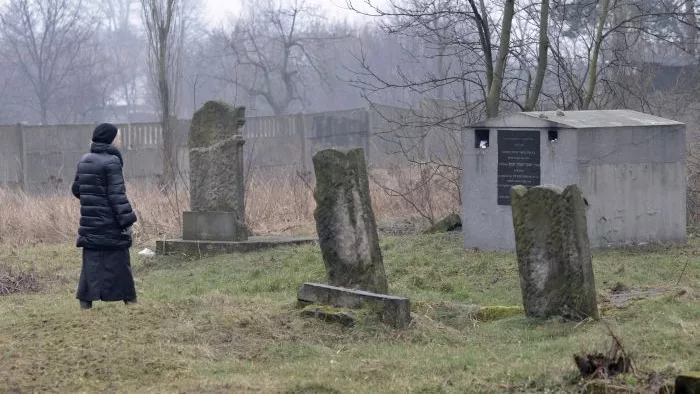
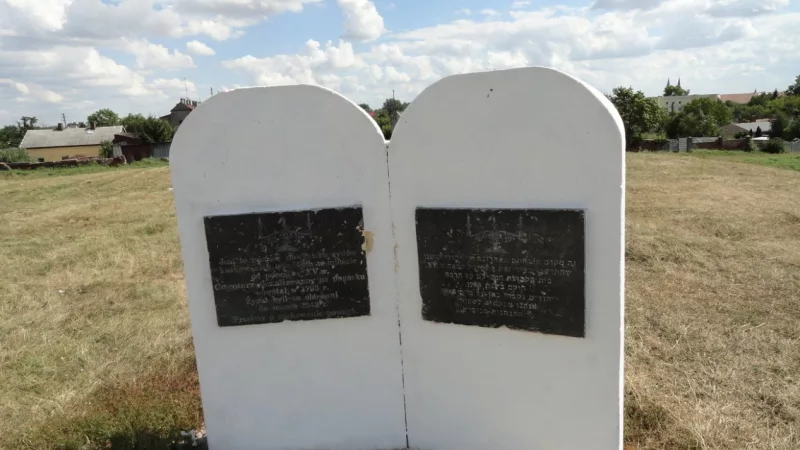
The New Jewish Cemetery on Bracka Street is the largest Jewish necropolis in Poland, home to the mausoleum of Izrael Poznański and the Ghetto Field, where unnamed victims of the Łódź ghetto rest. Elsewhere in the region, a separate Jewish cemetery has survived in Skierniewice - founded in 1919, destroyed during the war, and today holding around eighty preserved matzevot and a monument to the victims of German crimes.
Which municipal and parish cemeteries are the largest in Łódź?
The Municipal Cemetery "Doły", founded in 1896 on the site of a former village, is one of the city's largest necropolises - multi-denominational, with hilly terrain and the Avenue of the Distinguished. Within the same complex is the St. George Military Cemetery, holding the graves of legionnaires, participants of the Silesian and Greater Poland uprisings, and soldiers of both world wars, and still accepting burials today. Among the parish cemeteries, worth mentioning is the twenty-two-hectare Our Lady of Perpetual Help Cemetery in the Bałuty Zachodnie district on Szczecińska Street, and the All Saints Cemetery in Olechów, home to Łódź's first crematorium. Three smaller municipal necropolises complete the city's picture: the cemetery in Zarzew from 1975 has a section for veterans of the Polish-Bolshevik War, the cemetery on Szczecińska Street in Bałuty Zachodnie is the youngest of the three municipal cemeteries, opened only in 1988, and the cemetery in Nowosolna began as an Evangelical cemetery of a former colony around 1802 and today serves the local Catholic parish.
War memorial sites among the Łódź cemeteries
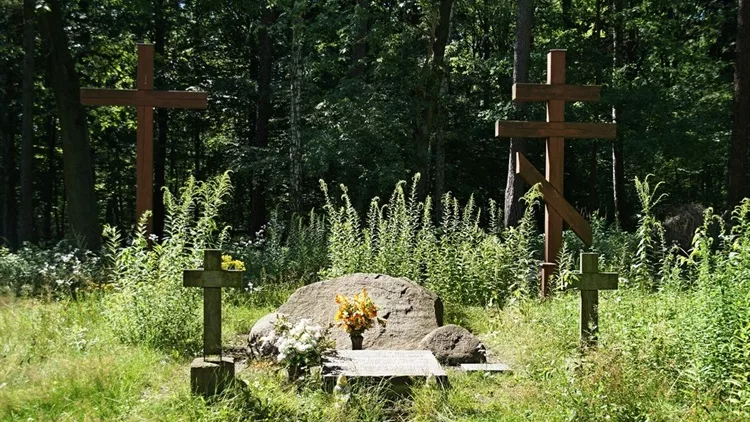
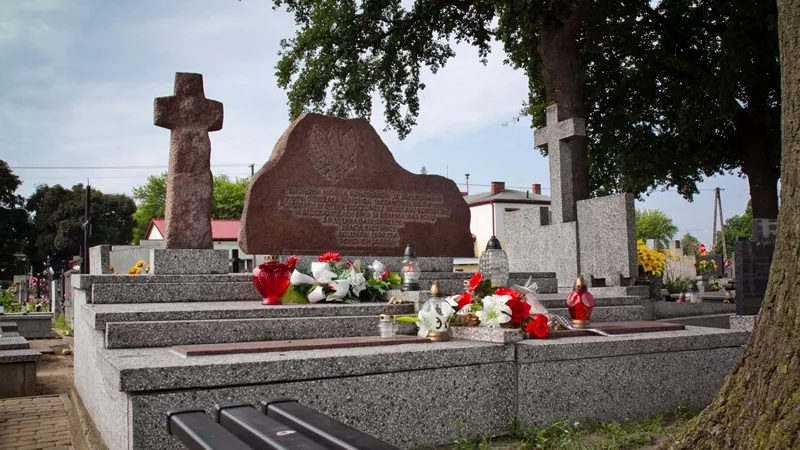
The St. Roch Cemetery in Radogoszcz holds the graves of victims of the Radogoszcz massacre and soldiers of the Polish Underground State. St. Adalbert's Cemetery in the Chojny district and the St. Francis Cemetery in the same district are places where, during the occupation, the German authorities allowed only Poles to be buried. Outside the city, in the Wiączyń Forest near Łódź, lies the disused Wiączyń War Cemetery, with the graves of about 9,000 German and Russian soldiers killed in the 1914 Battle of Łódź, and a similar cemetery in the Krogulec forest near Zgierz holds 316 soldiers from the same battle.
Monuments on Piotrkowska Street - factory owners, artists and the city's heroes
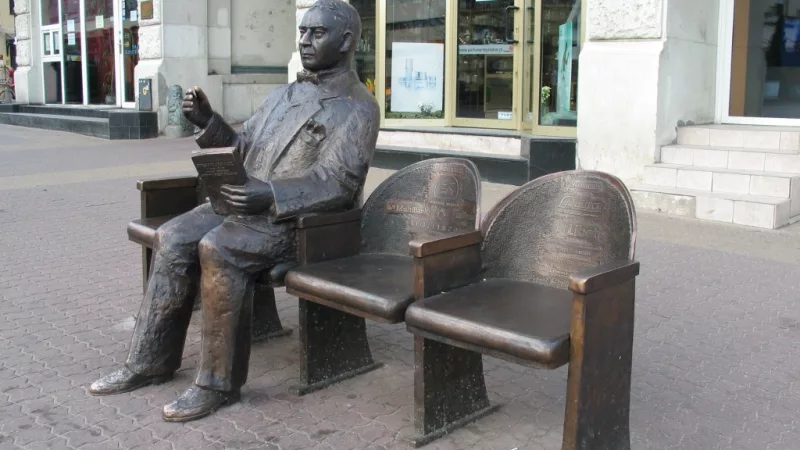
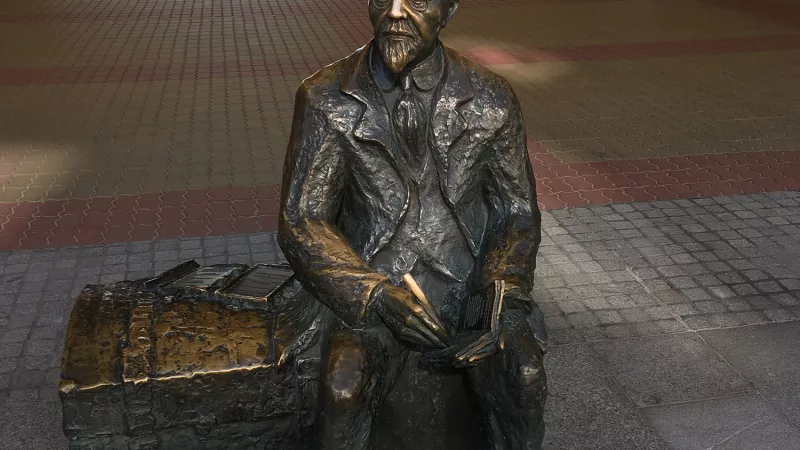
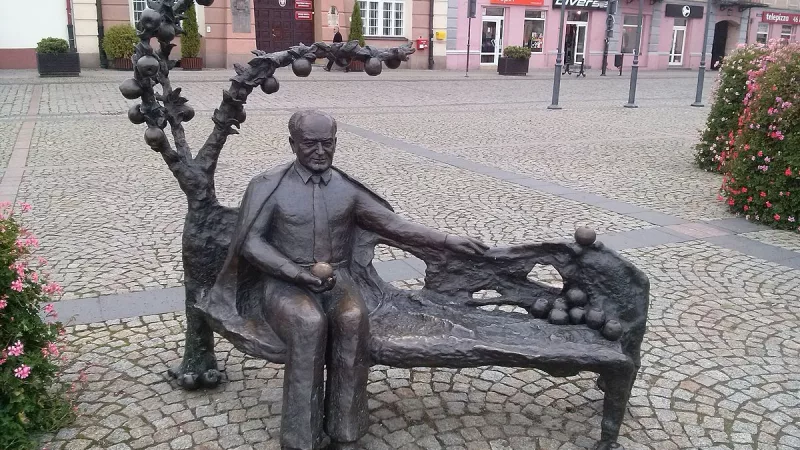
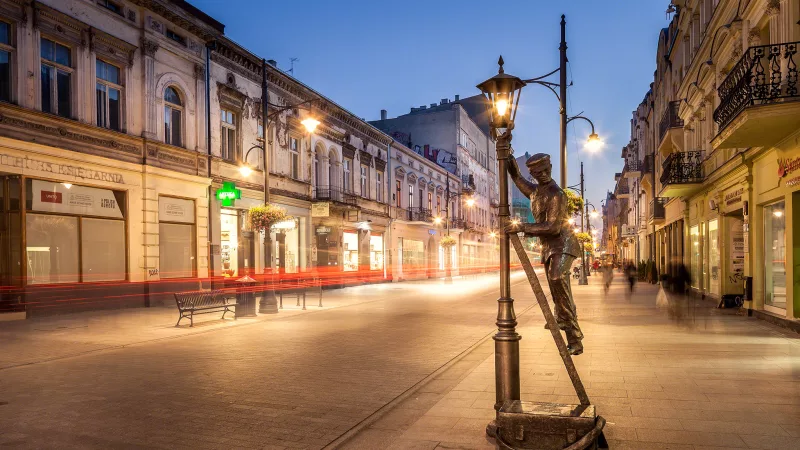
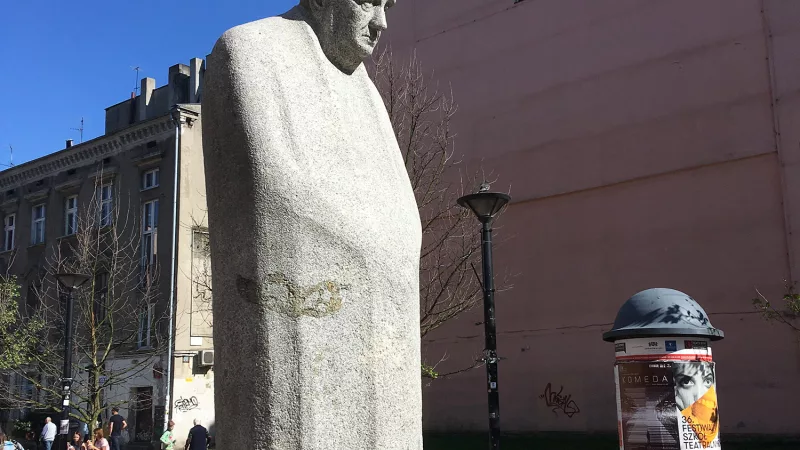
Piotrkowska Street is a route lined with monuments to people connected with Łódź. The Monument to the Three Factory Owners shows Izrael Poznański, Karol Scheibler and Henryk Grohman sitting at a table, with an empty seat for a passer-by. The Tuwim's Bench, the first monument in the Gallery of Great Łódź Residents from 1999, shows the poet sitting on a bench, and next to it stands the monument to Artur Rubinstein playing the piano in front of the tenement house from his childhood. The Reymont's Trunk shows the Nobel laureate sitting on a travel trunk, and the Lamplighter Monument shows an electrician on a ladder, unveiled on the hundredth anniversary of the first Łódź power plant. There is also the Stefan Jaracz's Armchair, a row of bronze theatre seats with a figure of the actor and theatre founder.
The Fairy-Tale Łódź Trail - monuments for children
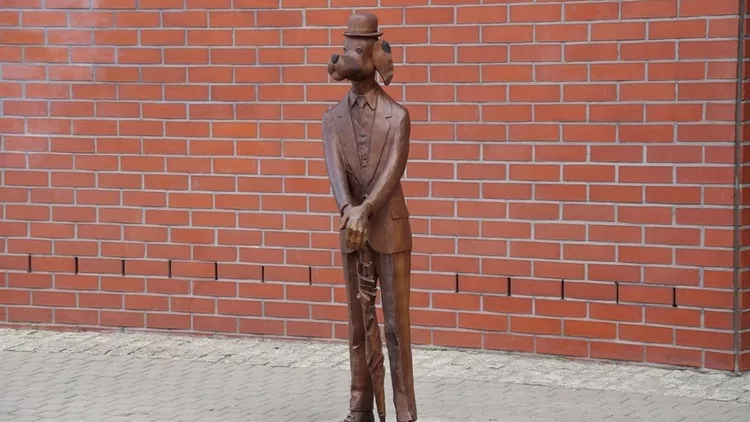
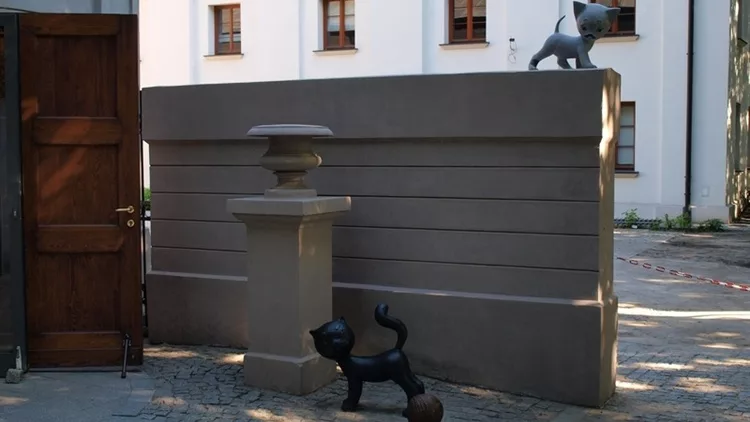
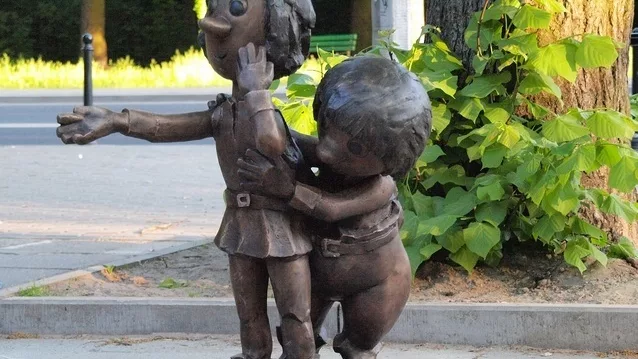
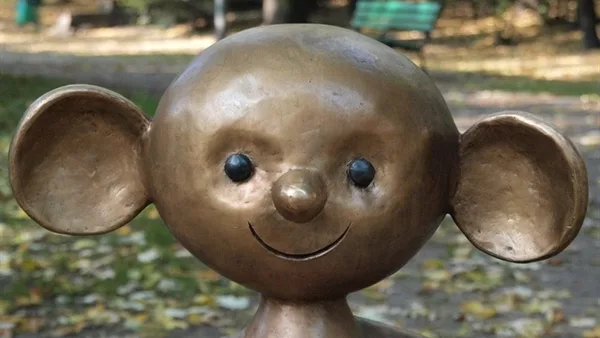
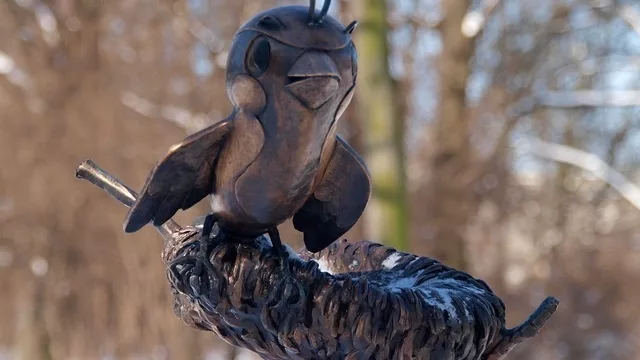
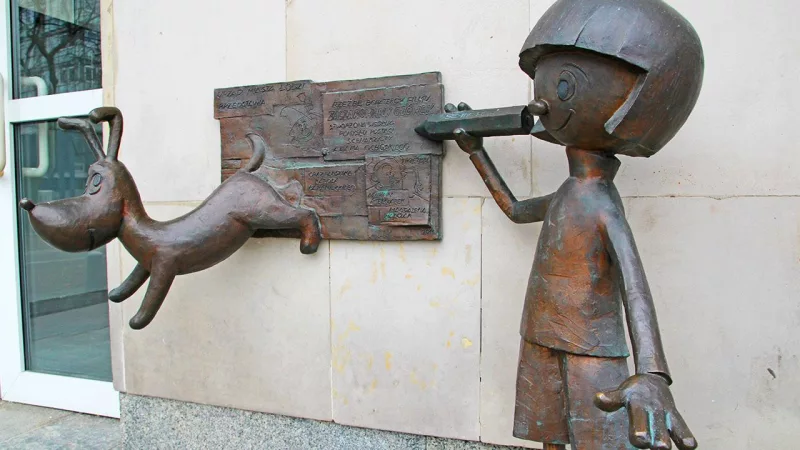
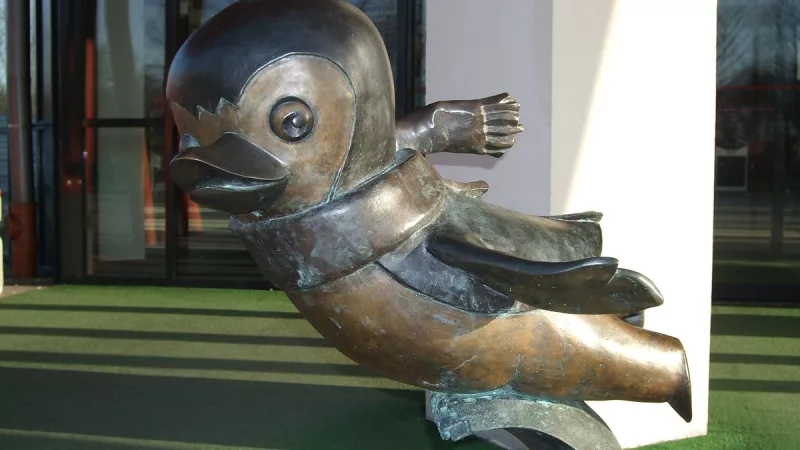
Over a dozen bronze sculptures of Polish fairy-tale characters form a walking trail through the city. The Uszatek the Teddy Bear Monument on Piotrkowska 87 has a folded ear and a QR code linking to episodes of the show. In front of the Łódź zoo, children are greeted by the figure of Maurycy, and in front of the Palm House stands the Ćwirek the Sparrow Monument. In front of Galeria Łódzka waits Ferdynand the Magnificent, a dog in a suit and top hat, and in Sienkiewicz Park stands Plastuś with his school bell. The trail also includes the cats Filemon and Bonifacy by Lech Kaczyński Square, the Three Teddy Bears by the Łódź Wooden Architecture Open-Air Museum, the penguin Pik-Pok in front of the Fala Aquapark, and the characters from The Enchanted Pencil by the Łódź House of Culture.
Freedom Square and the Kościuszko Monument
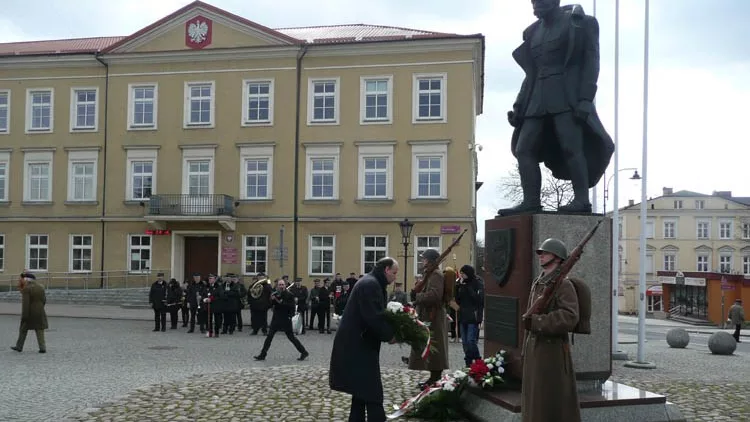
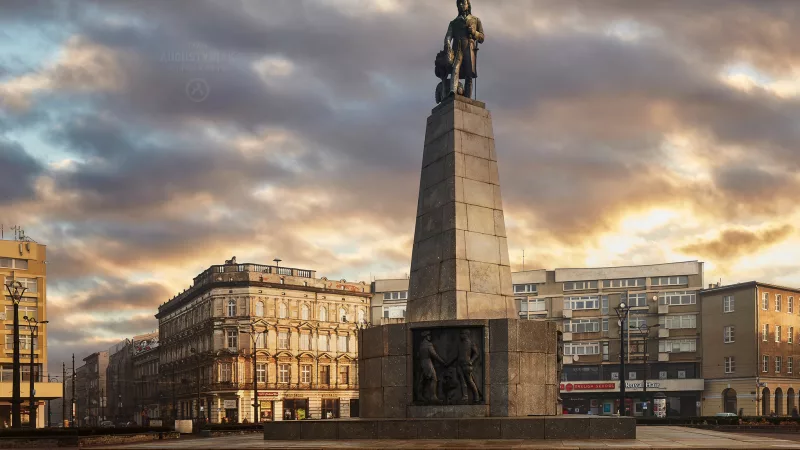
Freedom Square (Plac Wolności), an octagonal square closing Piotrkowska Street from the north, is now mostly pedestrian after its revitalisation. The central spot is taken by the Tadeusz Kościuszko Monument - a seventeen-metre composition from 1930, torn down by the Germans in 1939 and rebuilt by the same author in 1960, showing Kościuszko by the Tree of Justice.
Monuments and cemeteries across the Łódź region
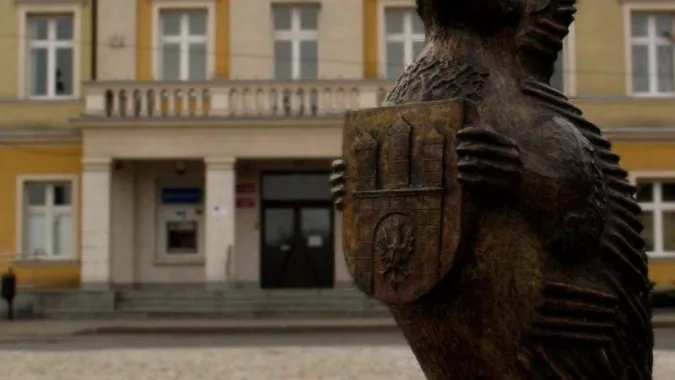
Outside Łódź, it's also worth stopping at monuments tied to local history. In Spała stands the Bison Monument, cast in St. Petersburg in 1862 to commemorate a hunt by Tsar Alexander II. In Opoczno, Pegasus, a six-metre sculpture of a winged horse from 1982, is one of the city's symbols. In Zgierz, the brass hedgehog with the city's coat of arms refers to a poem by Wanda Chotomska, and in Sieradz an interactive sculpture of the hairdresser Antoine de Paris lets you sit in the chair next to him. In Skierniewice, on the station platform, stands the Wokulski Monument, the hero of Bolesław Prus's novel The Doll, referring to a scene set on the Warsaw-Vienna railway line. Another group of towns in the region has monuments worth noting while passing through. In Wieluń, on Augustiańska Street, stands the John Paul II monument from 2006, marking the future pope's visit to the town in 1971, and in Zduńska Wola a similar monument of the pope with a crosier from 2005 draws residents for prayer every year. In Konstantynów Łódzki, on Kościuszki Square, an obelisk from 1956 commemorates the victims of the transit camp through which 42,000 prisoners passed. In Radomsko, on Narutowicza Street, a bust of Władysław Reymont with bas-reliefs of village scenes is one of two monuments to the Nobel laureate in the town, and in Piotrków Trybunalski a three-tonne bronze figure of Nicolaus Copernicus has stood since 1973, unveiled on the five-hundredth anniversary of the astronomer's birth. Smaller cemeteries also remain from the region's Jewish history: the kirkut in Aleksandrów Łódzki from 1822 has preserved two ohels of tzadiks despite wartime destruction, and in the village of Zamość near Sędziejowice lies a German war cemetery for soldiers killed in the fighting of November 1914.
Frequently asked questions about cemeteries and monuments in the Łódź region
Where is the Jewish cemetery in Łódź?
The largest Jewish necropolis in Poland is located at 40 Bracka Street in the Doły district - it is the New Jewish Cemetery, home to the mausoleum of Izrael Poznański and the Ghetto Field.
What is the Old Cemetery in Łódź?
It is a former shared necropolis on Ogrodowa Street from the mid-19th century, made up of three denominational sections - Catholic, Evangelical and Orthodox - with the historic Scheibler Family Chapel.
Which monuments in Łódź are worth seeing with a child?
The sculptures of the Fairy-Tale Łódź Trail are the most fun - Uszatek the Teddy Bear, Maurycy and Hawranek in front of the zoo, the cats Filemon and Bonifacy, or Ćwirek the Sparrow in front of the Palm House.
Where is the Doły municipal cemetery?
At 9 Palki Avenue in the Doły district - one of the largest Łódź necropolises, founded in 1896, with the Avenue of the Distinguished and the neighbouring St. George Military Cemetery.
How much does it cost to enter the cemeteries and see the monuments in the Łódź region?
Visiting the cemeteries and viewing the monuments is free throughout the region - just check the opening hours of the cemetery gates.
Where else outside Łódź can you see interesting monuments?
It's worth visiting Opoczno, home to the Pegasus sculpture, Sieradz with its interactive monument of the hairdresser Antoine de Paris on the market square, and Skierniewice, where the Wokulski Monument from Bolesław Prus's The Doll stands at the train station.
See also: historic monuments in the Łódź region, churches and monasteries, atmospheric places, cemeteries and monuments in Łódź, Zgierz, Wieluń, Radomsko and Sieradz, and more generally attractions in Łódź and discover Łódź.

 Cemeteries & Monuments
Closed