Museums in the Łódź region are located mainly in former factory owners' palaces in Łódź, but also in castles, manor houses and open-air museums of smaller towns in the region. Łódź has its own, wider list on the page museums in Łódź - here we gather museums from across the whole region, grouped to make it easy to pick a route for an afternoon, a full day with a child, or a rainy day.
Which museums in the region are worth seeing first?
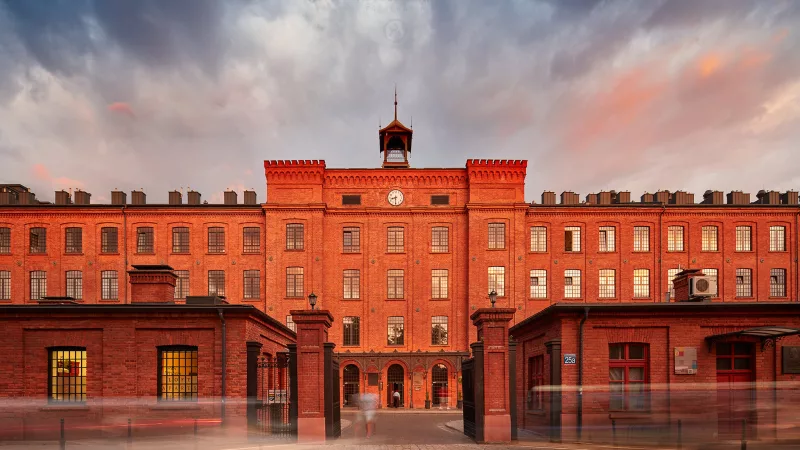
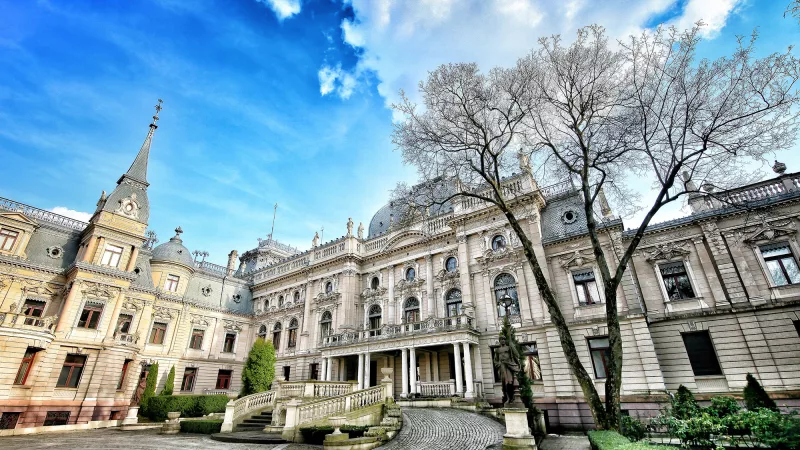
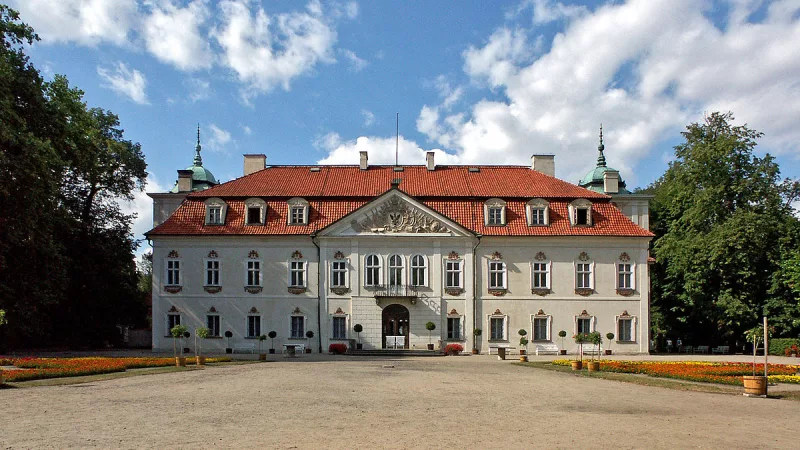
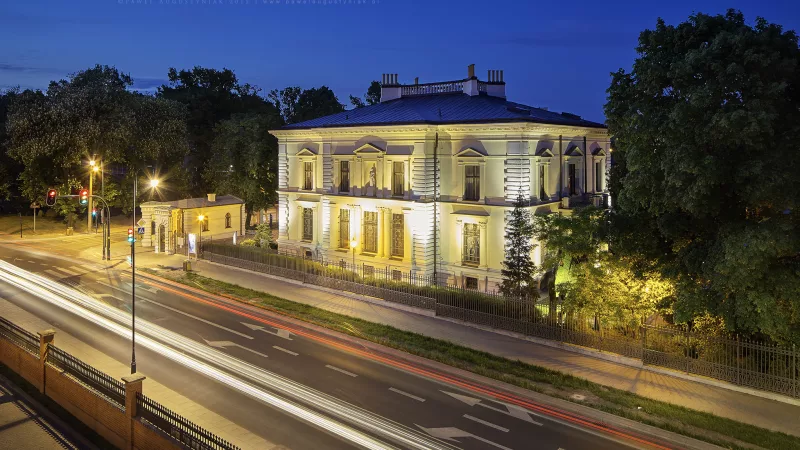
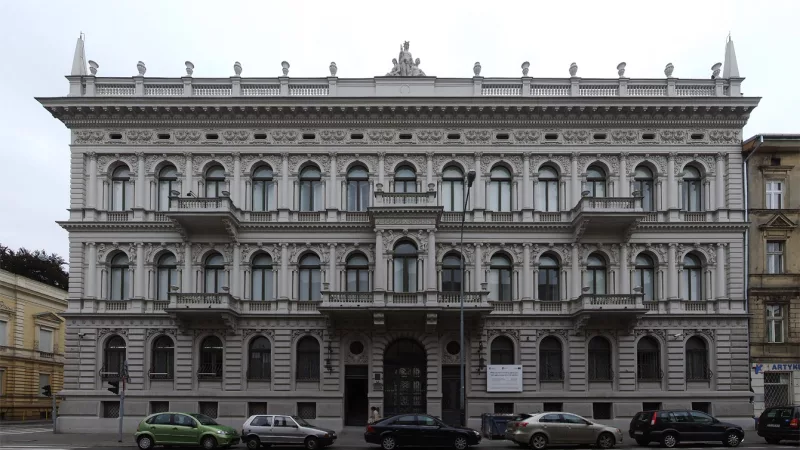
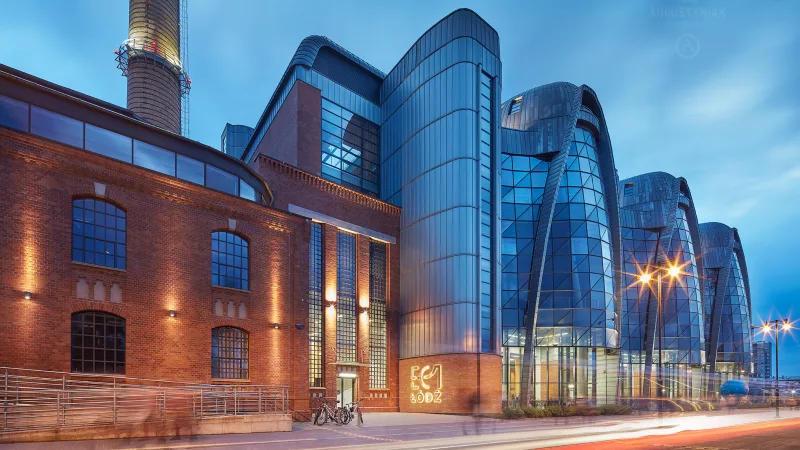
If you are staying in Łódź, start with the museum triangle around the former Scheibler and Poznański factories. EC1 on Targowa Street was once a municipal power plant, today a science centre with a planetarium. Muzeum Miasta Łodzi (Museum of the City of Łódź) in the Poznański Palace on Ogrodowa Street shows the history of the city and the factory owners' family. Muzeum Pałac Herbsta (Herbst Palace Museum) on Księży Młyn holds a collection of painting and decorative art. The full list of Łódź museums, including Muzeum Sztuki ms1 and ms2, is on the page museums in Łódź. Outside the city, a similar role is played by Pałac Radziwiłłów in Nieborów (Radziwiłł Palace) in the west of the region and Muzeum Okręgowe in Piotrków Trybunalski (Regional Museum) in the south - the full list of museums in that city is on the page museums in Piotrków Trybunalski.
Museums in factory owners' palaces and museums for kids in Łódź
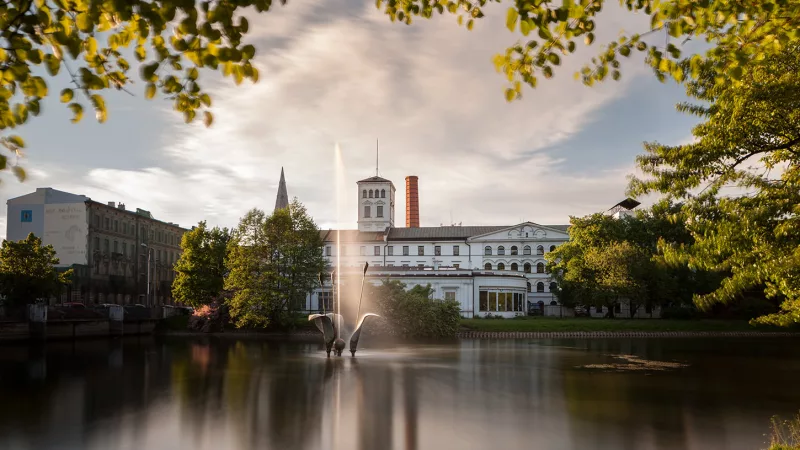
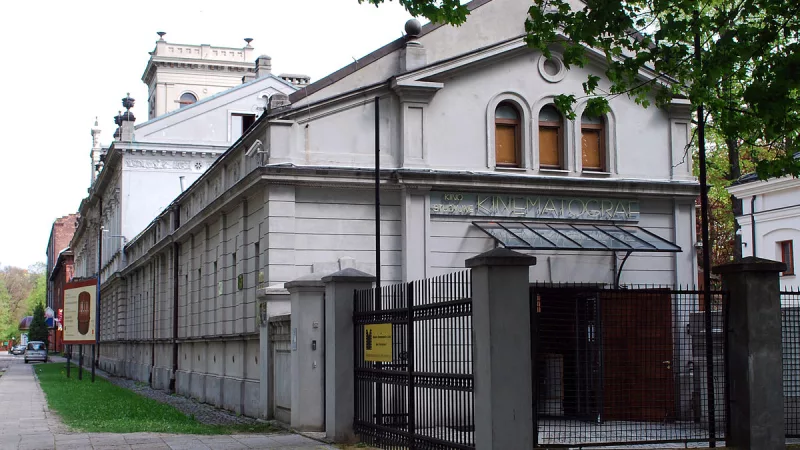
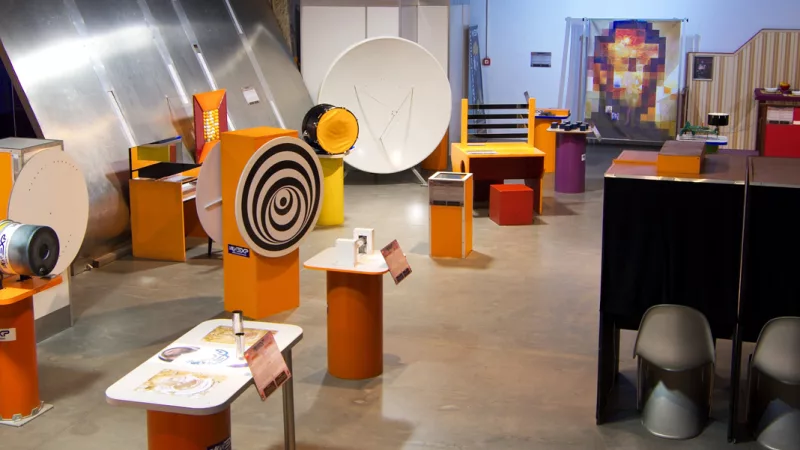
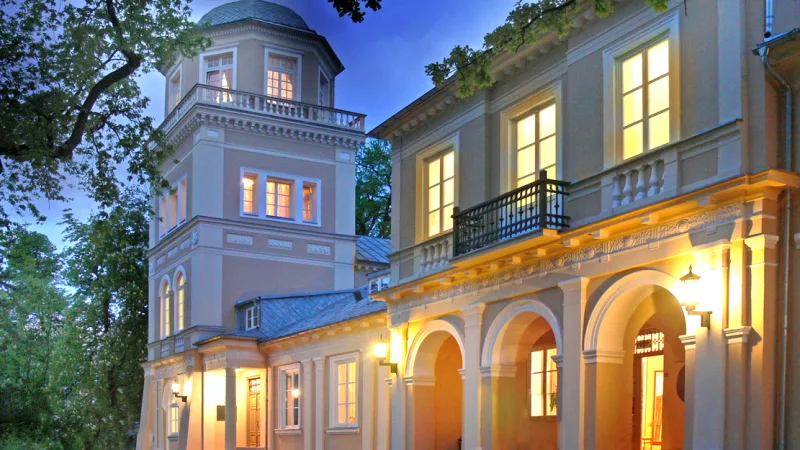
Księży Młyn is a 19th-century factory complex built by Karol Scheibler, with two palace museums, including Muzeum Kinematografii (Museum of Cinematography) - the only film museum in Poland housed in a factory owner's residence. Curiosities also hide off the main trail: Willa Leopolda Kindermanna with the Chimera Gallery in its cellars, and Muzeum Sztuki Iluzji (Museum of Illusion) in the villa of brewer Teodor Milsch. For a rainy day with children, Centrum Nauki Experymentarium in Manufaktura works well, along with Planetarium EC1 and Centrum Komiksu i Narracji Interaktywnej (Comic Book and Interactive Narrative Centre) in the EC1 complex. The full list of these and similar places is on the page museums in Łódź.
The Dętka Sewer Museum and other unexpected collections in Łódź
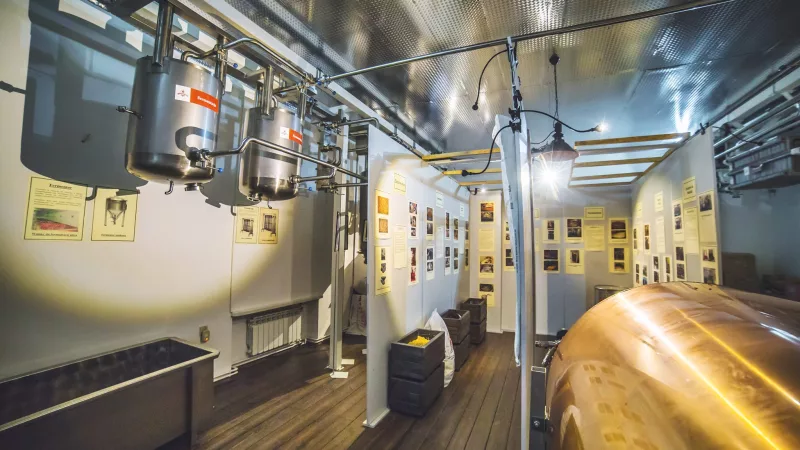
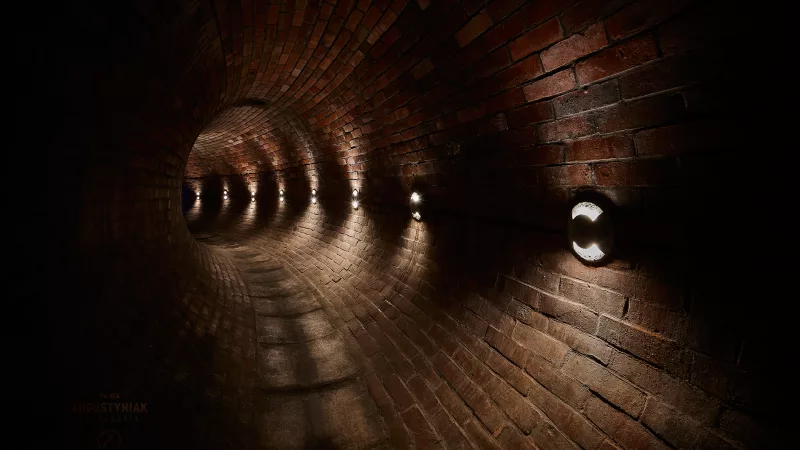
Several museums are located in places invisible from the street. Muzeum Kanału „Dętka” (Dętka Sewer Museum) beneath Plac Wolności is a water reservoir deep underground, telling the story of Łódź's sewage system. Muzeum Światła (Museum of Light) at Piotrkowska 17 is the first of its kind in Poland, and Muzeum Archidiecezji Łódzkiej (Museum of the Łódź Archdiocese) shows sacred art. Łódź universities run their own museums, also open to non-students: Muzeum Geologiczne Uniwersytetu Łódzkiego (Geological Museum of the University of Łódź) with minerals and a meteorite, and Muzeum Przyrodnicze UŁ (Natural History Museum).
Museums of history and memory - Radegast station and Radogoszcz
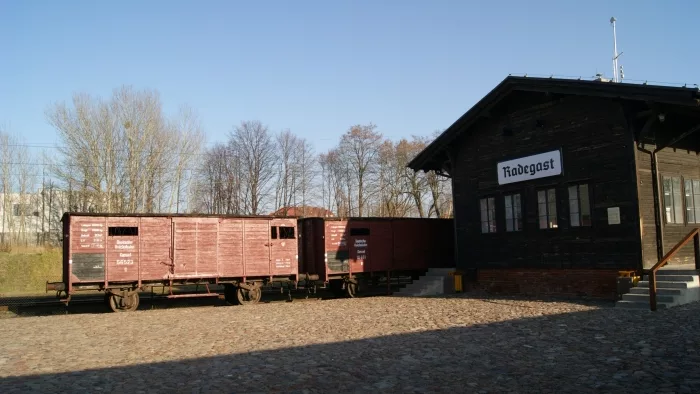
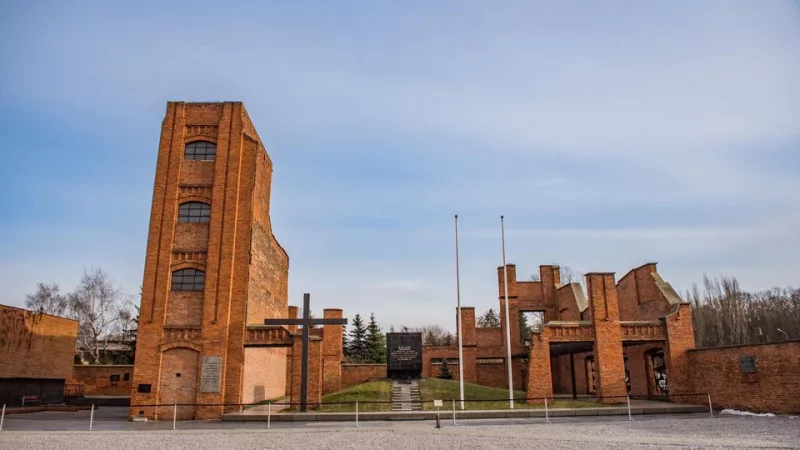
Two Łódź museums deal with the history of the Łódź ghetto and wartime repression. MTN: Oddział Stacja Radegast (Radegast Station Branch) is housed in the former railway Umschlagplatz, from where thousands of people were deported from the ghetto. MTN: Oddział Martyrologii Radogoszcz (Radogoszcz Martyrdom Branch) is a mausoleum in a former Gestapo prison, dedicated to the victims of January 1945. Both places lie close to each other in the Radogoszcz area.
Castles and palace museums in the Łódź region
Outside Łódź itself, the region's museums rely mainly on castles and palace residences. Pałac Radziwiłłów in Nieborów is a Baroque residence - it is worth adding a walk through the park in Arkadia. Zamek Królewski in Łęczyca (Royal Castle), a Gothic stronghold of Casimir the Great, holds collections related to the legend of Boruta.
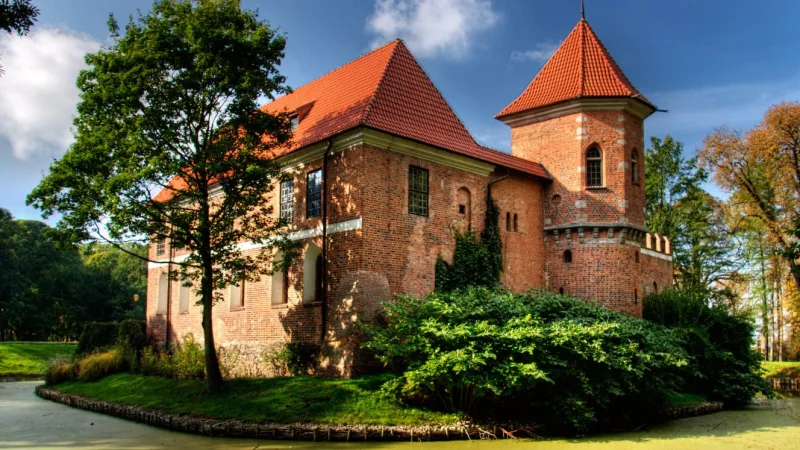
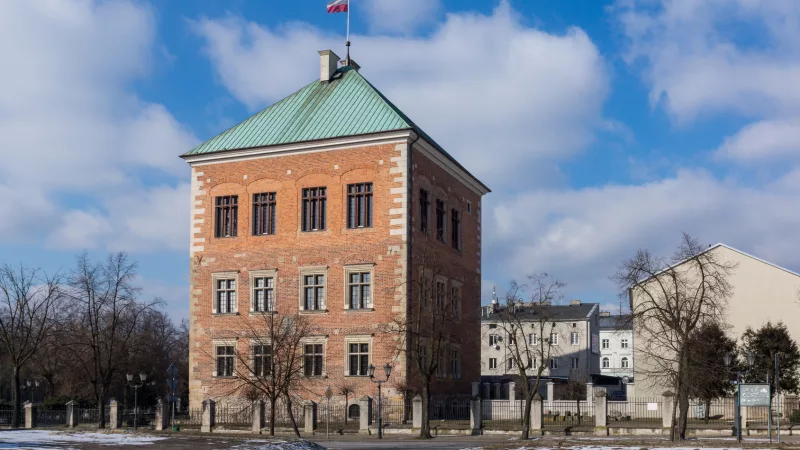
In Uniejów stands Zamek Arcybiskupów Gnieźnieńskich (Castle of the Archbishops of Gniezno). Muzeum Okręgowe in Piotrków Trybunalski occupies the former tower of the Crown Tribunal, and in Oporów there is a Zamek-Muzeum (Castle Museum) on an island surrounded by a moat. Zamek Kazimierzowski in Opoczno houses the Regional Museum, and the ruins of Zamek Książąt Mazowieckich in Rawa Mazowiecka are complemented by a rebuilt tower with an archaeological exhibition.
Regional museums in smaller towns - what to see beyond Łódź
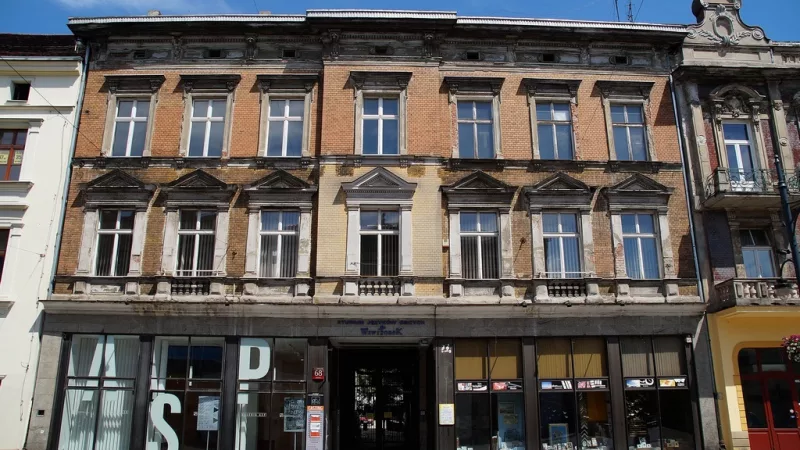
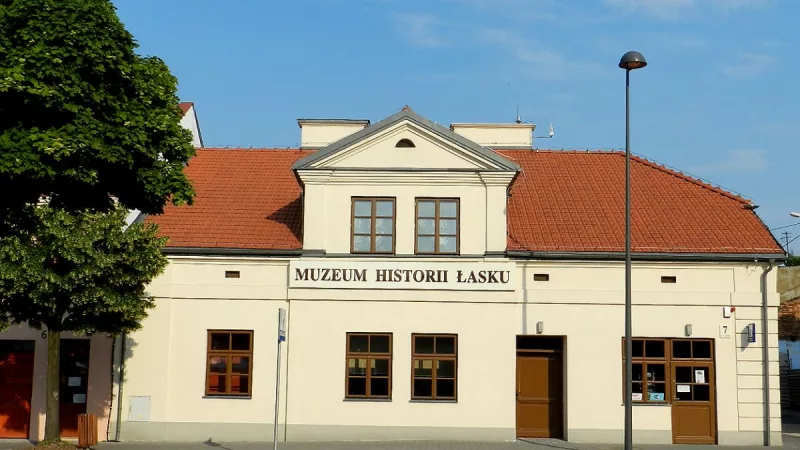
Every larger town in the region has its own local history museum, usually in a historic building in the centre. In the north, in Zgierz, that is Muzeum Miasta Zgierza (Museum of the City of Zgierz) in the House Under the Lions - the full list of the city's museums is on the page museums in Zgierz. In the west, in Łowicz, Muzeum w Łowiczu (Museum in Łowicz) shows the ethnographic collection of the Łowicz region, and nearby is the unusual Muzeum Guzików (Museum of Buttons) - the full list is on the page museums in Łowicz. In the south, Radomsko has three addresses worth visiting: Muzeum Regionalne (Regional Museum) in a former town hall, the unique-in-Europe Otwarte Muzeum Żydowskie (Open Jewish Museum) made up of plaques set into pavements, and Muzeum Drukarstwa Rodziny Kamińskich (Kamiński Family Printing Museum).
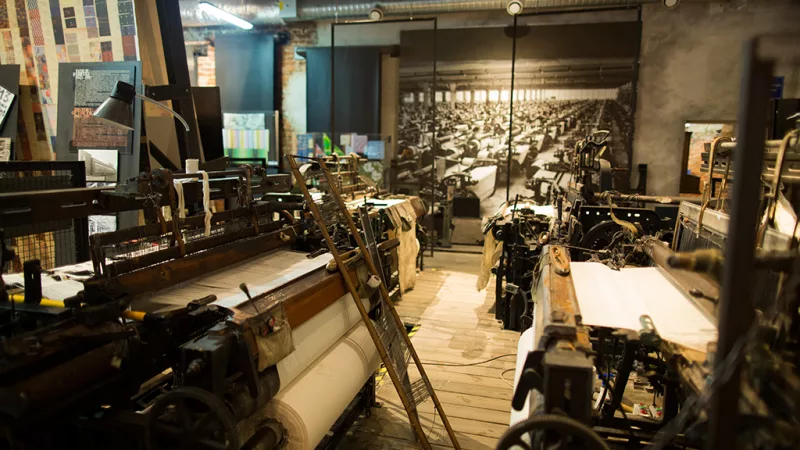
In the west, Muzeum Okręgowe in Sieradz occupies the oldest tenement house of Sieradz - the full list is on the page museums in Sieradz. In the east, Muzeum Regionalne in Brzeziny tells the story of local tailoring. Muzeum Ziemi Wieluńskiej (Museum of the Wieluń Land) is housed in a Bernardine convent in Wieluń, and Muzeum Miasta Pabianic (Museum of the City of Pabianice) is in the Renaissance Krakow Chapter Manor House, south of Łódź. In the east, in Tomaszów Mazowiecki, there is Muzeum im. Antoniego hr. Ostrowskiego (Count Antoni Ostrowski Museum), in Skierniewice - Muzeum Historyczne Skierniewic (Historical Museum of Skierniewice), in Bełchatów - Dworek Olszewskich (Olszewski Manor House), and in Kutno to the north Muzeum Pałac Saski (Saxon Palace Museum). In Lipce Reymontowskie there is Muzeum Regionalne im. Reymonta (Reymont Regional Museum) next to Zagroda Ludowa (Folk Homestead).
Open-air museums and technical monuments - museums under the open sky
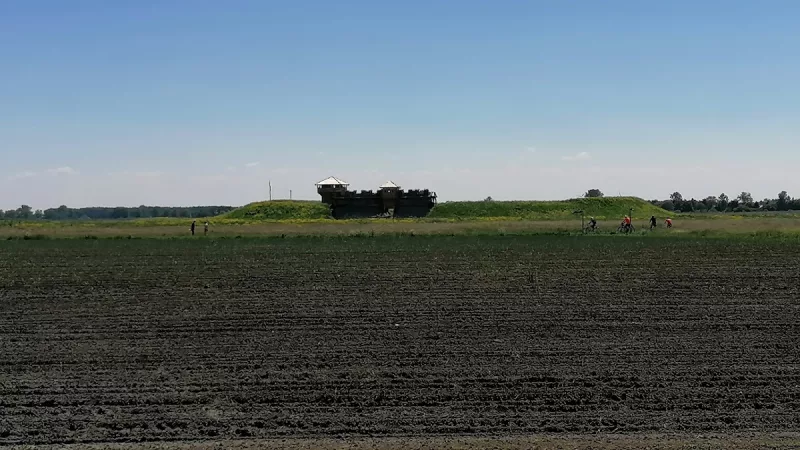
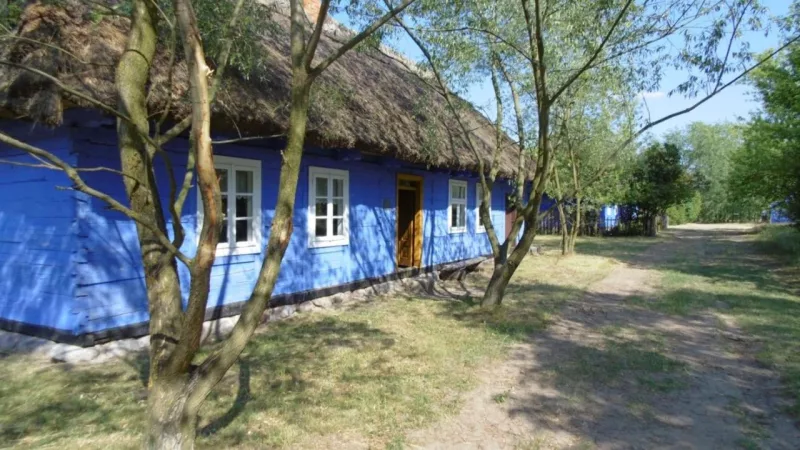
The region has several open-air museums. Skansen Maurzyce, that is, the Łowicz Ethnographic Park, holds wooden, thatch-roofed buildings. At Piotrkowska 282 stands the Skansen Łódzkiej Architektury Drewnianej (Open-Air Museum of Łódź Wooden Architecture) with free admission. Skansen Rzeki Pilicy (Pilica River Open-Air Museum) in Tomaszów Mazowiecki is Poland's first river open-air museum.
Railway enthusiasts can choose between the Kolej Wąskotorowa Rogów - Rawa - Biała (Narrow-Gauge Railway) with a large collection of rolling stock and the Parowozownia Skierniewice (Skierniewice Locomotive Shed). Traditional crafts are shown by Osada młyńska Talar (Talar Mill Settlement) in Ldzań and Warsztat Garncarski Rodziny Konopczyńskich (Konopczyński Family Pottery Workshop) in Bolimów.
How much is a ticket and when to go to avoid crowds
Museums are a safe bet for a day with rainy weather, in Łódź and across the region. Most large venues are closed on Mondays, so for a weekend visit Saturday or Sunday morning is a better choice. Standard tickets usually range from 15 to 35 PLN, with reduced tickets cheaper - check the exact price and hours before your visit.
You can visit free of charge Skansen Łódzkiej Architektury Drewnianej, Park Kulturowy Miasto Tkaczy in Zgierz and Muzeum Wycinanek w Budowie (Museum of Paper Cut-Outs, Under Construction) in Łowicz. For families with young children, the most convenient are places with a short route - Experymentarium, CKINI in EC1 and Muzeum Sztuki Iluzji.
Frequently asked questions about museums in the Łódź region
Which museum in Łódź is the largest?
The largest floor area belongs to the Science and Technology Centre in EC1 - about 8,500 square metres and more than 150 stations. The largest number of exhibits is held by the Archaeological and Ethnographic Museum at Plac Wolności, with over 260,000 objects.
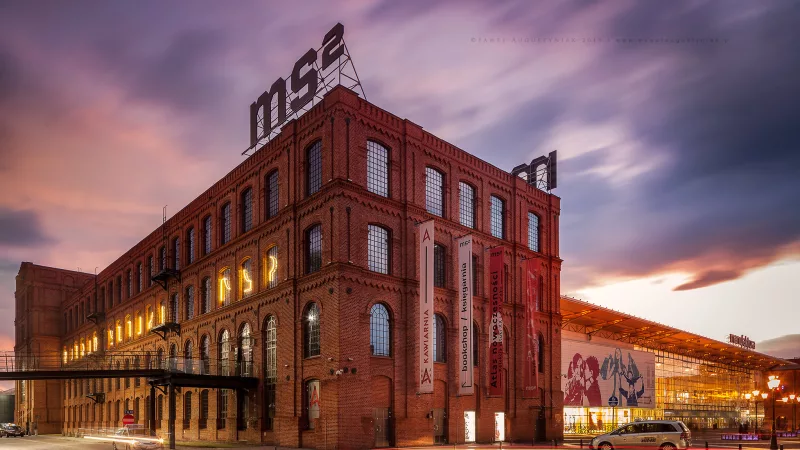
What can you see at the ms2 Museum?
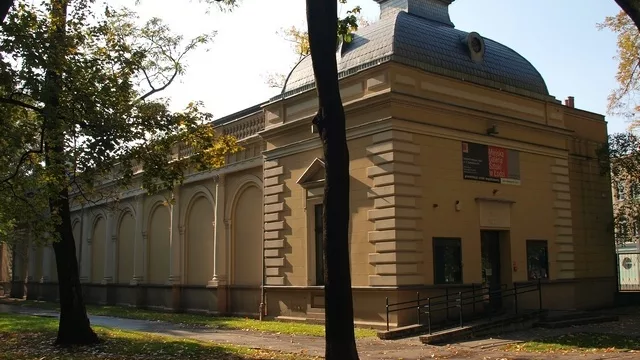
Muzeum Sztuki ms2 is housed in the former Poznański spinning mill on the grounds of Manufaktura and shows a permanent collection of 20th and 21st century art - it is the second seat of the Łódź Museum of Art, alongside ms1 on Więckowskiego Street.
What is the Dętka Sewer Museum?
It is a historic ring-shaped water reservoir hidden deep beneath Plac Wolności, devoted to the history of the Łódź sewage system - one of the few museums in Poland set up in underground municipal infrastructure.
You can also find factory owners' palaces and tenement houses on the list of historic monuments of the Łódź region, we describe the atmosphere of old courtyards in atmospheric places, and for more ideas for a full day in the region see the main page attractions in the Łódź region.

 Museums
Open